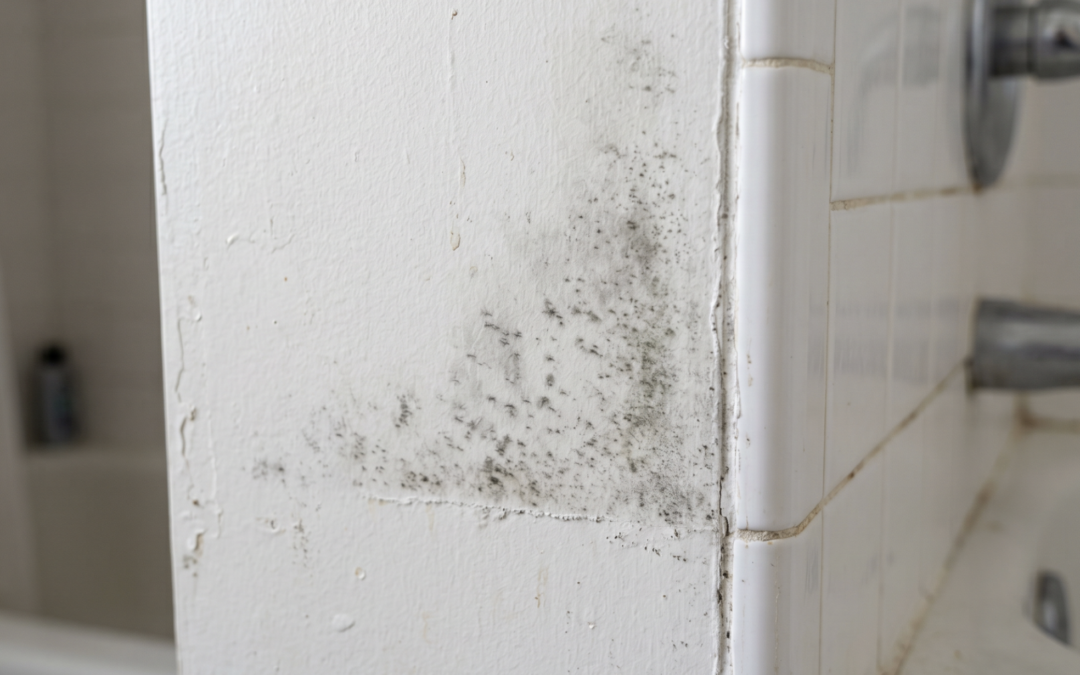
When most homeowners think about mold, they picture a visible patch of black growth on a bathroom ceiling or a damp basement wall. However, mold problems are often far more complex and far more hidden than many people realize.
For patients struggling with chronic symptoms such as fatigue, brain fog, headaches, respiratory issues, skin irritation, or unexplained inflammation, the environment inside the home may be an important piece of the puzzle.
Many homeowners are surprised to learn that mold growth and moisture issues can exist behind walls, beneath flooring, inside HVAC systems, and in other hidden areas of the home for months or even years before they are discovered. Identifying these hidden sources of contamination is often a critical first step toward improving both indoor air quality and overall well-being.
The reality is that mold, moisture, and indoor air quality are deeply connected. Understanding how they interact can help homeowners create healthier living environments and support their overall wellness goals.
Why Mold and Moisture Matter More Than Most People Think
Mold requires one essential ingredient to grow: moisture.
Whether it comes from a plumbing leak, roof issue, crawl space humidity, condensation around windows, flooding, or an improperly ventilated bathroom, excess moisture creates ideal conditions for mold growth. Once mold becomes established, it can release spores, fragments, allergens, volatile organic compounds (VOCs), and in some cases, mycotoxins into the indoor environment.
According to industry estimates, up to 50% of buildings in the United States have experienced some form of water damage. Unfortunately, mold often develops in hidden areas such as:
- Behind drywall
- Under flooring
- Inside HVAC systems
- Beneath sinks
- Inside wall cavities
- In attics and crawl spaces
- Around windows and roofing penetrations
Many homeowners are unaware of a mold problem until symptoms appear or a musty odor becomes noticeable.
The Connection Between Mold and Health
One of the most confusing aspects of mold-related illness is that it affects people differently.
In the same household, one person may develop significant symptoms while others appear unaffected. This can be frustrating and isolating for those experiencing health issues, especially when friends, family members, or healthcare providers do not immediately recognize the potential environmental connection.
Individual responses to mold exposure can be influenced by factors such as:
- Genetics and detoxification pathways
- Immune system function
- Existing inflammation
- Gut health and microbiome balance
- Previous toxic exposures
- Overall health status
This is one reason why functional medicine practitioners often take a deeper look at environmental factors when investigating chronic, unexplained symptoms. A functional medicine approach includes identifying potential root causes rather than simply managing symptoms. For patients concerned about mold toxicity or mycotoxin exposure, environmental evaluation can be an important part of the healing process.
Common Symptoms Associated with Mold Exposure
Mold-related illness is sometimes called “The Great Masquerader” because it can affect multiple body systems and mimic many other conditions.
Common symptoms may include:
- Chronic fatigue
- Brain fog
- Difficulty concentrating
- Memory issues
- Headaches or migraines
- Sinus congestion
- Persistent coughing
- Shortness of breath
- Skin irritation or rashes
- Digestive issues
- Joint and muscle pain
- Anxiety or mood changes
- Sleep disturbances
- Increased sensitivity to odors or chemicals
- Frequent illness or weakened immune function
While these symptoms do not automatically indicate mold exposure, they may warrant further investigation when they persist without a clear explanation.
Understanding Mycotoxins
Not all mold produces mycotoxins, but certain species can create these toxic compounds under the right environmental conditions.
Mycotoxins can become part of what experts often describe as a “toxic soup” found within water-damaged buildings. In addition to mycotoxins, these environments may contain:
- Mold spores
- Mold fragments
- Bacterial endotoxins
- Microbial volatile organic compounds (mVOCs)
- Beta-glucans
- Other inflammatory particles
Together, these contaminants can significantly impact indoor air quality and may contribute to chronic inflammatory responses in susceptible individuals.
Because of this complexity, identifying mold growth alone is often not enough. Understanding a holistic environmental picture is critical.
Why Indoor Air Quality Testing Matters
Many homeowners assume they would know if mold were present in their home. Unfortunately, hidden mold growth is common.
Professional indoor air quality assessments can help identify concerns that are not visible during a routine walkthrough. Depending on the situation, testing may include:
- Air sampling for mold
- Moisture measurements
- Infrared imaging
- VOC testing
- Relative humidity analysis
- Particulate measurements
- Surface sampling
- Environmental mycotoxin testing
Professional mold testing can provide valuable insight into what may be affecting the indoor environment.
Green Home Solutions of Bay Area, CA offers comprehensive inspections and testing that may include moisture testing, infrared camera inspections, mold air sampling, VOC analysis, and environmental mycotoxin testing. Their ACAC-accredited inspectors evaluate homes for current issues and potential conditions that may impact indoor air quality.
The Importance of Proper Mold Remediation
One of the biggest mistakes homeowners make is trying to solve significant mold problems with household cleaners or bleach products.
While these solutions may temporarily improve appearance, they often fail to address the underlying source of contamination. If the moisture issue remains, mold will likely return.
Effective mold remediation should focus on:
- Identifying and correcting moisture sources
- Removing or treating affected materials when necessary
- Reducing airborne contamination
- Restoring healthy indoor air quality
- Preventing future mold growth
Green Home Solutions of Bay Area, CA specializes in mold remediation and environmental solutions designed to support healthier indoor environments. Their approach combines ANSI/IICRC remediation standards with proprietary EPA-registered products and advanced treatment protocols.
The company utilizes catalytic enzyme technology with proven efficacy against mold spores and other pathogens. Their proprietary treatment process is designed to address contamination throughout the home rather than focusing solely on visible mold growth.
A Functional Medicine Perspective on Mold Recovery
One of the reasons mold illness can be so difficult to overcome is that symptoms often continue as long as exposure remains present.
Many patients spend years addressing symptoms without realizing that their home or workplace may be contributing to the problem.
A functional medicine approach typically focuses on three key areas:
1. Identify and Remove the Source
Before healing can occur, exposure must be identified and addressed. This often involves environmental inspection, testing, remediation, or in some cases, temporary relocation from the affected environment.
2. Support Detoxification
The body may need support in processing and eliminating accumulated toxins. Individualized protocols can help improve detoxification pathways and reduce overall toxic burden.
3. Restore Balance
Many patients require support for gut health, immune function, hormone balance, inflammation reduction, and nervous system regulation.
This comprehensive approach helps address both the environmental trigger and its effects on the body.
Environmental Mycotoxin Testing: Taking a Deeper Look
In recent years, environmental mycotoxin testing has become an increasingly valuable tool for homeowners and healthcare practitioners investigating potential mold-related illness.
Traditional mold testing identifies mold spores and fungal growth, but environmental mycotoxin testing can help determine whether toxic compounds produced by certain molds are present within the environment.
For patients working with functional medicine practitioners, this additional layer of testing may help provide a clearer picture of potential exposures and support more informed remediation decisions.
If mycotoxins are identified within the environment, specialized mycotoxin mitigation strategies may be recommended to help reduce exposure and restore healthier indoor conditions.
Simple Ways to Reduce Mold Risk at Home
While not every mold problem can be prevented, homeowners can take proactive steps to reduce risk.
Control Indoor Humidity
Aim to maintain indoor humidity below 50%. Dehumidifiers can be especially helpful in basements, crawl spaces, and humid climates.
Address Water Problems Quickly
Leaks, flooding, and condensation should be corrected as soon as possible. Mold can begin growing within 24 to 48 hours under favorable conditions.
Improve Ventilation
Bathrooms, kitchens, laundry rooms, and crawl spaces should be properly ventilated to reduce excess moisture accumulation.
Maintain HVAC Systems
Regular HVAC maintenance can help improve airflow and reduce moisture-related issues.
Schedule Professional Assessments When Needed
If unexplained symptoms persist, musty odors develop, or water damage occurs, professional inspection and testing can provide valuable answers.
Frequently Asked Questions
Can mold grow even if I cannot see it?
Yes. Mold frequently grows behind walls, under flooring, inside HVAC systems, in attics, and in crawl spaces. Hidden mold is one of the most common reasons homeowners are unaware of a problem.
What humidity level is ideal for preventing mold growth?
Most experts recommend maintaining indoor relative humidity between 30% and 50%. Higher humidity levels can encourage mold growth and dust mite activity.
What are mycotoxins?
Mycotoxins are toxic compounds produced by certain molds. They may contribute to inflammation and other health concerns in susceptible individuals.
Why do some family members react to mold while others do not?
Individual responses vary based on genetics, immune function, detoxification capacity, overall health, and previous environmental exposures.
Is bleach an effective solution for mold?
Bleach may remove surface staining but often fails to address the root cause of mold growth. Professional remediation is typically recommended for significant mold problems.
What is environmental mycotoxin testing?
Environmental mycotoxin testing evaluates surfaces or indoor environments for the presence of mycotoxins that may be associated with water-damaged buildings.
How can homeowners determine if mold is affecting their indoor air quality?
Professional testing and inspection are often the most reliable methods. Indoor air quality assessments can identify hidden mold, moisture issues, and other contaminants impacting the home environment.
What should I do if I suspect mold is affecting my health?
Consider speaking with a qualified healthcare practitioner experienced in mold-related illness and scheduling a professional environmental assessment to identify potential sources of exposure.