
Many homeowners think mold only develops after a major leak or flood, but everyday life often plays a much bigger role than expected. Mold needs moisture to grow, and it’s common for that moisture to build up gradually through normal use of a home rather than from a single dramatic event.
When mold has already taken hold in your home, mold remediation in Bridgewater, NJ, provides a professional solution for restoring your environment. Understanding what commonly creates mold-friendly conditions can also help you reduce the likelihood of future growth.
The most common habits that increase mold risk are everyday routines that add moisture to the air, storage practices that trap humidity, leaving rarely used rooms closed off for long periods, and postponing repairs that allow moisture to enter the home. Because these conditions often develop gradually, they can be easy to overlook until mold has already begun to spread. Recognizing them early gives you a better opportunity to control moisture before it leads to a larger problem.
Normal Household Activities Increase Indoor Moisture
The moisture inside your home doesn’t just come from leaks or flooding. Everyday activities continually add humidity to the air, and a typical household produces approximately 3 to 6 gallons of moisture each day through cooking, bathing, washing dishes, drying laundry indoors, watering plants, and even normal breathing.
Homes are designed to handle much of that moisture, but only when it can escape. Running kitchen and bathroom exhaust fans, maintaining good airflow, and reducing excess humidity help prevent everyday moisture from accumulating where mold can begin to grow.
Crowded Storage Areas Can Hold Moisture Longer
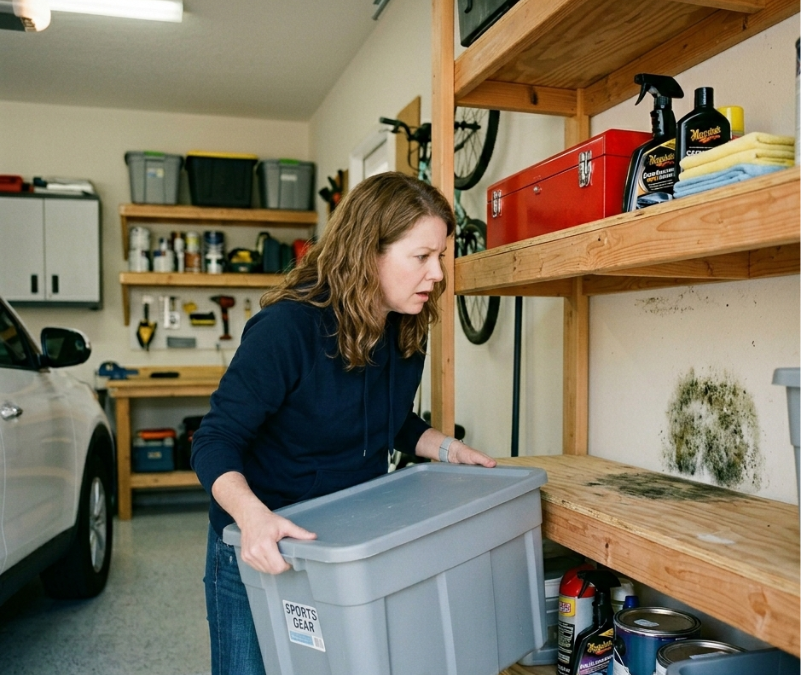
Storage spaces are designed to keep things out of the way, but overfilled areas can also make it easier for moisture to linger. Shelves packed from floor to ceiling, boxes stacked tightly together, and belongings blocking air vents all reduce air movement, making it more difficult for damp surfaces to dry.
These conditions become even more problematic when items are stored while still damp or when minor plumbing leaks and condensation go unnoticed. Periodically checking storage areas, maintaining space for airflow, and keeping belongings clean and dry can help prevent these overlooked spaces from becoming ideal locations for mold growth.
Mold Can Quietly Develop in Unused Rooms
It’s easy to focus your attention on the areas of your home you use every day while overlooking spaces that stay closed most of the time. Spare bedrooms, storage rooms, and seasonal living areas often receive little ventilation and even less routine inspection.
That combination can allow moisture to linger unnoticed. Whether the source is condensation, elevated humidity, or a small leak, the longer those conditions remain undiscovered, the more time mold has to become established. Including these rooms in your regular home maintenance routine can help you catch moisture problems sooner.
Small Maintenance Issues Can Lead to Big Moisture Problems
Home maintenance is easy to postpone, especially when a problem doesn’t seem urgent. A slow leak beneath a sink, deteriorating grout, overflowing gutters, or a small gap around a window might not interfere with your daily routine, making it tempting to leave the repair for another weekend.
Moisture doesn’t stop while those projects wait. Continued exposure can gradually affect drywall, wood, insulation, and other building materials, increasing the likelihood of mold growth. Taking care of small repairs early is often the simplest way to prevent larger moisture problems later.
Make Moisture Prevention Part of Your Home Care Routine
The way you use and maintain your home has a direct impact on the conditions mold needs to grow. While everyday activities can’t be avoided, controlling excess moisture and staying on top of maintenance can go a long way toward reducing the likelihood of mold becoming established.
If mold has already developed, Green Home Solutions provides mold remediation in Bridgewater, NJ, to eliminate existing growth and help address the underlying moisture issues. Reach out today to schedule an evaluation and take the next step toward protecting your home.