
How Attic Conditions Can Affect the Rooms Below
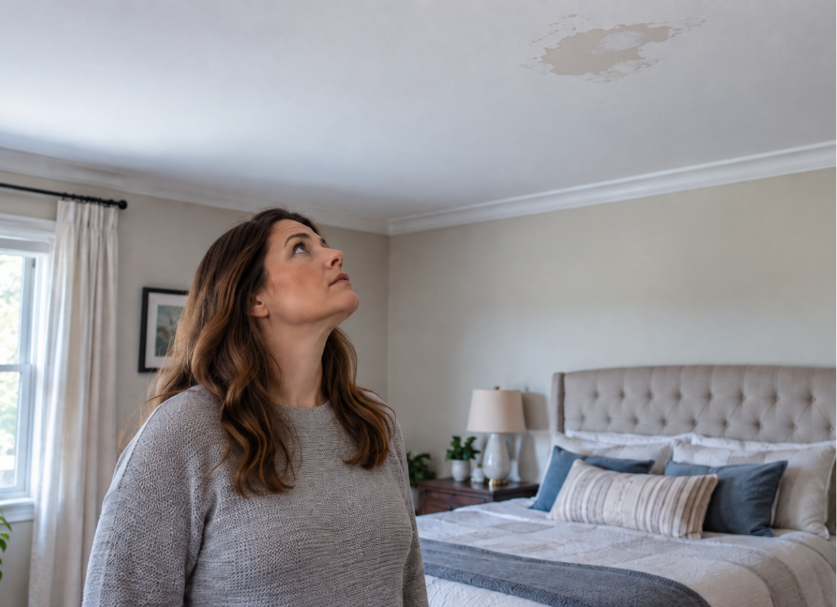
A problem developing in your attic may be out of sight, but its effects aren’t limited by the ceiling beneath it. Air moves between different areas of your home, moisture can affect surrounding materials, and mold spores can travel beyond the surface where growth first develops. Looking at these connections helps explain why attic mold can become a broader home issue if it isn’t addressed.
How Air Moves Between Your Attic and Living Areas
Airflow throughout your home changes with differences in temperature and pressure. The stack effect, shifting outdoor temperatures, wind conditions, and the use of whole-house fans can all influence how air travels between your attic and the rooms below. Openings around light fixtures, attic hatches, wiring, plumbing, and framing provide pathways that make this movement easier.
HVAC ductwork can create another connection. If ducts running through your attic have gaps, loose joints, or other leaks, attic air can enter the system and circulate throughout your living spaces. When mold is growing in the attic, spores and musty odors can travel with that air rather than remaining limited to the area above your ceiling.
How Mold Spores Can Reach New Areas
Mold growth begins when spores settle on a surface with enough moisture to support them. In your attic, roof leaks, condensation, humidity, or other moisture problems can create favorable conditions on roof decking, framing, insulation, and accumulated dust.
As mold develops, additional spores can become airborne and move with normal airflow or enter leaking ductwork. If they reach another damp area, such as insulation, drywall, a wall cavity, or framing elsewhere in your home, those surfaces may provide the conditions needed for new growth. Spores alone don’t create a new mold problem, but moisture in another part of your home can give them the opportunity to become established.
How Attic Mold and Moisture Can Affect Building Materials
Roof decking, rafters, framing, and other materials in your attic can remain damp when leaks, condensation, or humidity problems continue. Persistent moisture provides the conditions for mold growth and can also contribute to deterioration of wooden components over time.
Insulation can be affected as well. When it becomes wet, it may compress, lose effectiveness, or require replacement depending on its condition. If moisture and mold continue unchecked, a problem that began in a limited area can eventually involve more of your attic and increase the amount of treatment or repair needed.
Address the Mold and the Conditions Behind It
Removing visible growth is only one part of effective attic mold removal in Bridgewater, NJ. The extent of the mold and the source of the moisture both need to be understood before the problem can be fully addressed. An inspection helps determine where growth is present and whether leaks, ventilation problems, condensation, or other conditions are contributing.
Containment is then used to help limit the movement of spores while affected materials are treated. Once the mold is removed, the moisture problem also needs to be corrected. Depending on what is found, that may involve repairing leaks, improving ventilation, addressing airflow, or making other changes specific to your attic. Treating the growth while changing the conditions that supported it helps reduce the likelihood of the problem returning.
Address Attic Mold Before It Becomes More Extensive
Attic mold can affect the air moving through your home, the condition of building materials, and areas beyond the attic when moisture problems continue. Addressing both the existing growth and its underlying cause can help limit those effects and prevent a smaller problem from becoming more involved.
Green Home Solutions provides attic mold removal in Bridgewater, NJ, with personalized solutions based on the conditions found in your attic. We evaluate the extent of the growth, identify contributing moisture problems, and recommend the appropriate treatment and corrections for your home.
If you’ve found mold in your attic or have reason to suspect it may be present, contact Green Home Solutions to schedule an inspection and get clear recommendations for addressing the problem.