
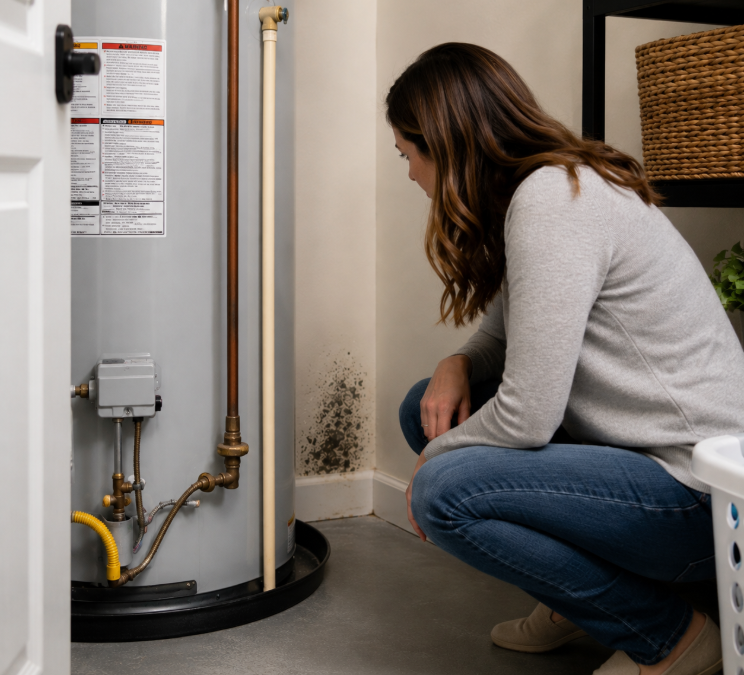
Not every room in your home carries the same risk when it comes to mold. While spores need moisture, oxygen, and organic material to feed on, it’s the everyday conditions inside your home that determine where growth is most likely to take hold. Understanding these conditions is the first step toward catching problems early — and knowing when mold remediation in Glastonbury, CT, might be something you need to look into.
Rooms That Stay Damp Longer
Kitchens, bathrooms, and laundry areas generate moisture constantly. Steam from a hot shower, condensation from cooking, or water that splashes around a sink can all add humidity to the air. If that moisture isn’t being pulled out by a fan or moved around by fresh air, it clings to walls, ceilings, and grout lines. Over time, surfaces that stay damp longer than they should become the kind of environment where mold is much more likely to develop.
Building Materials That Hold Onto Moisture
Some of the materials used to build homes are naturally slow to dry. Insulation, subfloor panels, and concrete are good examples of materials that can retain moisture. Once they become wet, they may take a long time to dry, especially when there isn’t much airflow moving through that part of the house. Basements and crawl spaces are particularly prone to this since they sit below grade and tend to stay cooler and damper than the rest of the home. The longer moisture hangs around inside a material, the more likely mold is to get established.
Spots Where Air Doesn’t Move
Good airflow is one of the most effective natural defenses against mold. When air circulates, moisture has a chance to evaporate before it builds up on surfaces. Certain spaces in a home don’t get much air movement at all, such as the back of a packed closet, a cluttered storage room, or the gap between a large piece of furniture and the wall. These areas can all hold onto humidity for days, giving mold the window it needs to begin growing on wood, drywall, fabric, or cardboard.
Where Water Gets In
Moisture doesn’t always come from inside the home. Roof damage, gaps around window frames, aging pipe connections, and cracks in a foundation can all allow water to find its way in. Once water gets into a structure, it can travel along framing, behind walls, and into adjacent materials. Cleaning up what’s visible doesn’t mean the problem is solved if the pathway for water is still open. As long as moisture continues getting in, the conditions that support mold growth remain.
Why Visible Mold Often Means There’s More
When you see mold in one spot, it’s important to consider what the surrounding materials have been exposed to. If moisture has been present long enough for mold to appear, nearby surfaces may already be affected even if they look fine. Removing what’s visible without addressing the broader moisture situation typically leads to the same problem recurring. Lasting improvement comes from understanding what allowed mold to develop in the first place, not just from cleaning up the surface.
Getting to the Root of Mold in Your Home
No two homes are exactly alike, and the factors behind mold growth can look different from one property to the next. A home’s age, layout, ventilation setup, and history of water issues all play a role. What matters most is identifying where moisture is coming from and what conditions have allowed it to persist.
If you’re dealing with mold and need mold remediation in Glastonbury, CT, Green Home Solutions is here to help. Our team will evaluate the affected areas, identify the moisture source, and walk you through the right plan for your situation. Reach out today to get started with an inspection.