
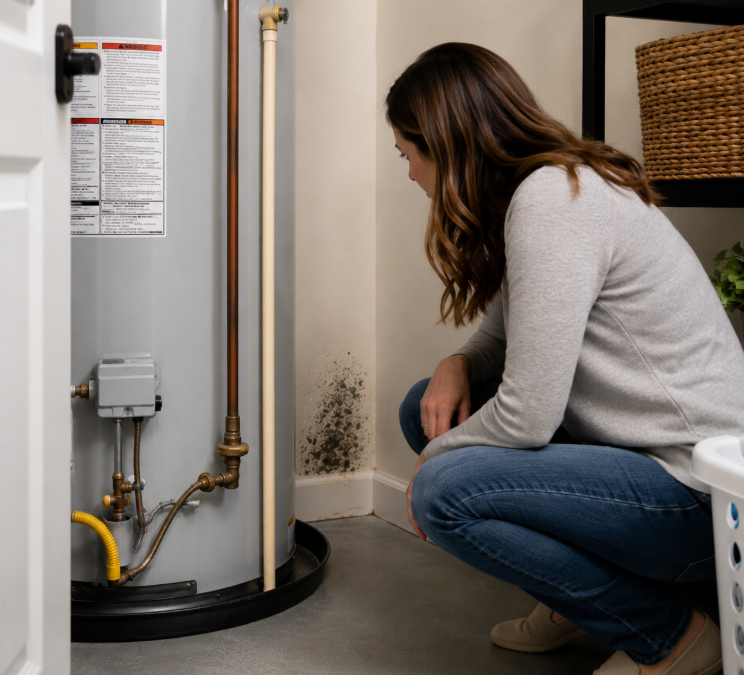
Every home has spots that are naturally more welcoming to mold growth. Spores require moisture, oxygen, and a food source like drywall or wood to thrive, but environmental conditions dictate how fast a colony can form. When factors like humidity, lack of fresh air, or water leaks combine, certain rooms quickly become high-risk areas. Recognizing what makes these spaces vulnerable can help you identify potential problems sooner and understand when mold remediation in Grand Rapids, MI, may be necessary.
Areas That Take Longer to Dry
Some parts of your home are exposed to higher humidity levels than others. Activities like cooking, washing dishes, and taking hot showers release moisture into the air throughout the day. When that moisture is not removed through proper ventilation, it can collect on windows, walls, ceilings, and other surfaces. Repeated exposure to damp conditions can make mold growth more likely, even when there is no plumbing leak or other obvious water problem.
Slow-Drying Structural Materials
When a home’s structural materials get wet, they don’t always dry quickly. Your property’s subflooring, insulation, and concrete can retain moisture for extended periods, particularly when the affected area has limited airflow. In below-grade spaces like basements, dampness can remain long after a heavy rain or plumbing issue has been resolved. The longer moisture stays present, the more opportunity mold has to become established within the affected materials.
Areas With Limited Airflow
Air circulation helps moisture dissipate from surfaces throughout your home. When spaces are closed off, humidity can remain trapped against walls, floors, and stored items for longer periods. Deep walk-in closets, crowded storage rooms, and the narrow gaps behind large furniture are common examples. When moisture remains present in these areas, mold can develop on drywall, cardboard boxes, fabrics, and other nearby materials.
Sources of Ongoing Moisture
Water can enter your home through a variety of sources, including roof leaks, plumbing problems, and moisture intrusion around windows and doors. Once moisture reaches surrounding building materials, it can affect areas well beyond where the problem first began. Addressing only the visible signs of moisture does not resolve the underlying issue. If the source of the water remains active, damp conditions can continue to return and create opportunities for mold growth.
Conditions That Allow Mold to Spread
Mold growth often continues when the moisture issue contributing to it remains unresolved. Even if only a small area is visible, nearby materials can still be affected by the same damp conditions. Addressing the situation requires more than removing visible growth. Identifying and correcting the moisture source is an important part of preventing the problem from continuing and affecting additional areas of your home.
Understanding What Is Contributing to Mold Growth
Every home has a unique layout, which means the conditions contributing to mold growth can vary from one property to another. Identifying the moisture issue behind your problem is an important part of addressing mold and helping reduce the likelihood of it returning.
If you need mold remediation in Grand Rapids, MI, Green Home Solutions can help. We can inspect the affected areas, pinpoint underlying moisture issues, and recommend an appropriate plan for resolving the problem.
Contact our team today to schedule an evaluation.