
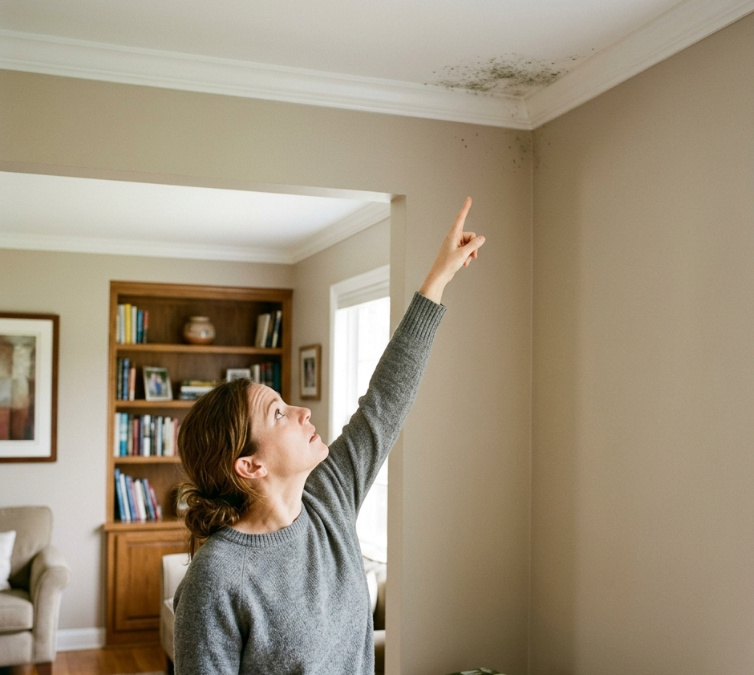
Drive down any street and you’ll see homes that look fairly similar from the outside, yet their mold risk can be worlds apart. The difference often isn’t visible at a glance. It’s tied to construction choices, the age of certain systems, and structural details that most homeowners never think to consider until a problem actually shows up.
Moisture is what mold needs to grow, but it’s a home’s own structure that determines whether that moisture remains trapped or dries out. Roofing systems, plumbing components, building materials, and below-grade spaces can all influence how effectively a home manages water. When one of these parts of the home isn’t performing as intended, the conditions for mold become much easier to create, which is often what leads homeowners to seek mold testing in North Kingstown, RI.
The Condition of Your Roof and Exterior
The outside of your home is constantly working to keep water where it belongs, which is outside. Shingles, flashing, siding, and the seals around windows and doors all contribute to that job, and like anything exposed to the elements year after year, they wear down eventually.
A roof nearing the end of its lifespan or siding that’s started to pull away slightly doesn’t always produce an obvious leak right away. Instead, water can find its way in gradually, reaching framing and insulation long before anything looks wrong from inside the house.
How Plumbing Issues Create Risk
A home’s plumbing runs through some of its least visible spaces, tucked behind walls, beneath subfloors, and inside cabinetry. That concealment makes plumbing one of the more difficult systems to monitor on a regular basis.
A pipe joint that’s begun to loosen or a connection that’s developed a small leak can introduce moisture to the surrounding area for weeks or months without producing any visible sign. The materials closest to that hidden leak are often the first to become favorable to mold because the leak may continue unnoticed long after it begins.
Building Materials That Hold Moisture
Not every material in a home handles moisture the same way. Drywall, framing lumber, insulation, and subflooring all tend to soak up water readily and release it slowly, which means a single moisture event can leave these materials damp for far longer than people expect. When that drying process is slowed further by limited airflow or ongoing exposure, these same materials end up supplying both the dampness and the organic food source mold needs to establish itself.
Why Basements and Crawl Spaces Are Different
Basements and crawl spaces experience moisture conditions that are often very different from those found in the rest of a home, largely because of their proximity to the ground. Constant contact with soil means these areas frequently contend with higher humidity levels and moisture intrusion that upper floors are less likely to encounter.
Limited ventilation, which is common in both basements and crawl spaces, can make it difficult for dampness to dissipate naturally. Because these spaces also see far less daily foot traffic, a developing issue can continue for a long time before anyone notices.
Evaluate How Your Home Handles Moisture
A home stays dry, or doesn’t, based on how well its individual systems work together. The roof has to shed water effectively, the plumbing has to stay sealed, the materials have to dry out reasonably fast, and below-grade spaces have to manage the moisture they’re naturally exposed to. When even one of these pieces isn’t holding up its end, the door opens for mold to find an opportunity somewhere in the home.
Recurring dampness, unexplained odors, or parts of the home that consistently feel more humid than surrounding areas can all point to an underlying moisture issue. Green Home Solutions can evaluate your home’s roof, plumbing, materials, and below-grade spaces to determine what might be contributing to mold risk. Our team offers mold testing in North Kingstown, RI, to assess how these factors are affecting your home and identify whether mold is already present.
Contact us today to schedule an inspection.