
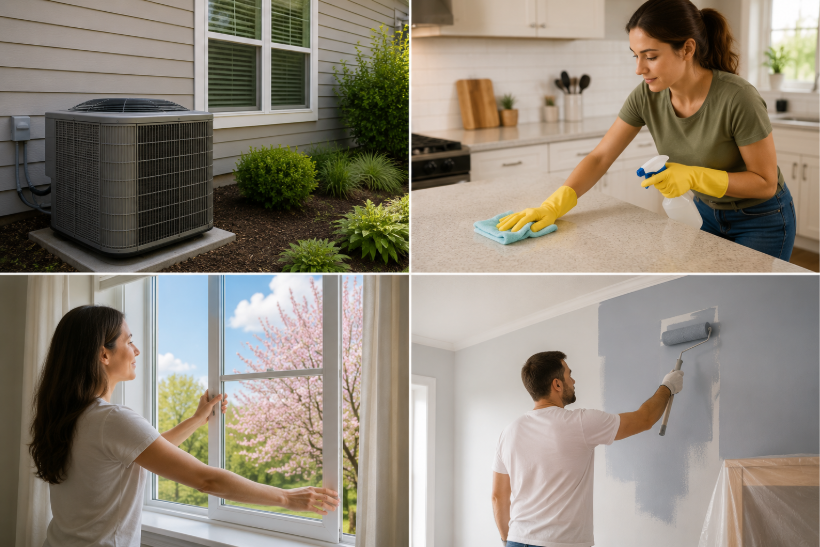
It’s easy to think of the air in your home as fixed, the same today as it was last week. In reality, it’s constantly shifting based on what you do, what season it is, and even what your home is made of. A lot goes into what you’re actually breathing indoors, and most of it happens without you noticing.
The Role Ventilation Plays in Indoor Air Quality
Ventilation plays a bigger role in indoor air quality than most people realize. Bringing fresh outdoor air in and pushing stale indoor air out is what keeps pollutants from building up inside, along with helping regulate how much moisture sits in the air.
When a home doesn’t get enough airflow, the effects can show up in a few ways. Tightly sealed homes can trap chemical vapors released by paint, furniture, and cleaning products. Cooking exhaust, carbon monoxide from gas appliances, and radon gas can all accumulate with nowhere to go. Humid, stagnant air creates conditions where mold and mildew thrive, which can trigger allergy and asthma symptoms. Even carbon dioxide from normal breathing can build up in a poorly ventilated space, leading to a foggy, tired feeling that some people may notice in stuffy rooms.
Daily Life Shapes the Air You Breathe
The ordinary things that happen in a home each day have a direct effect on its air. In the kitchen, gas stoves release nitrogen dioxide and fine particles, and frying food adds smoke and grease droplets to the air. Not using an exhaust fan or opening a window during cooking allows those byproducts to linger.
Cleaning habits matter too. Chemical sprays and surface cleaners introduce volatile organic compounds, while candles and air fresheners add their own hidden chemicals. Even dry dusting can stir up settled dust, pet dander, and mold spores rather than removing them.
A few other everyday habits factor in as well. Keeping windows and doors closed limits fresh air exchange. Pets on furniture add extra dander and hair to the air in a room. Long, hot showers without the bathroom fan running create the kind of moisture that encourages mold growth.
Seasonal Conditions Change Indoor Air Quality
As the year moves through its seasons, indoor air quality shifts along with it. Spring brings pollen indoors through open windows and on clothing, along with added moisture from rain that can encourage mold growth. Summer heat and humidity create favorable conditions for mold in damp, dark spaces, while running the air conditioner tends to keep homes sealed up, trapping dust, dander, and chemical vapors inside.
Fall introduces its own factors, including mold spores from decaying leaves outside and dust that gets circulated when HVAC systems run for the first time after months of disuse. Winter tends to bring the least fresh air exchange of any season, since windows stay shut to conserve heat, and running heaters can dry out indoor air enough to irritate the nose and throat.
How Building Materials Affect Indoor Air
The materials that make up a home continue to influence its air quality well after construction or renovation. Pressed wood products like cabinetry and particleboard can release formaldehyde, a gas known for irritating eyes and airways. Paints, varnishes, and caulks emit volatile organic compounds, and synthetic materials like carpet and vinyl flooring can release chemical vapors while also trapping dust.
Moisture plays a role as well. Drywall and insulation that get wet from a leak can trap moisture and develop hidden mold, while fabric furniture and drapes tend to hold onto pet dander, pollen, and dust mites over time. In older homes, materials like damaged asbestos insulation or peeling lead-based paint introduce hazards of their own, releasing particles that pose real health risks.
Professional Air Quality Testing Provides Clear Answers
Many different factors influence the air inside your home, making it difficult to determine what is actually affecting your indoor air through observation alone. Indoor air quality testing in North Kingstown, RI, provides a detailed evaluation of your air along with conditions throughout your home that may contribute to indoor air quality problems.
Testing can identify airborne mold spores, volatile organic compounds, fine particulate matter, combustion gases, radon, formaldehyde, and other pollutants that may affect your indoor air. It can also identify conditions such as excess moisture that may contribute to air quality issues. The results provide reliable information that helps determine whether changes such as improving ventilation, addressing moisture, or pursuing additional treatment may be appropriate.
Get Reliable Information About Your Indoor Air
The air inside your home is influenced by many different factors, and those influences are unique to your property. While understanding the common sources of indoor air pollution is valuable, professional testing provides information based on the actual conditions inside your home rather than general assumptions.
With indoor air quality testing in North Kingstown, RI, Green Home Solutions helps you better understand what is affecting your indoor air and whether any issues should be addressed. Our specialists explain the findings, answer your questions, and recommend practical solutions based on the results.
Contact Green Home Solutions today to schedule an indoor air quality assessment and gain a clearer understanding of the air you breathe.