
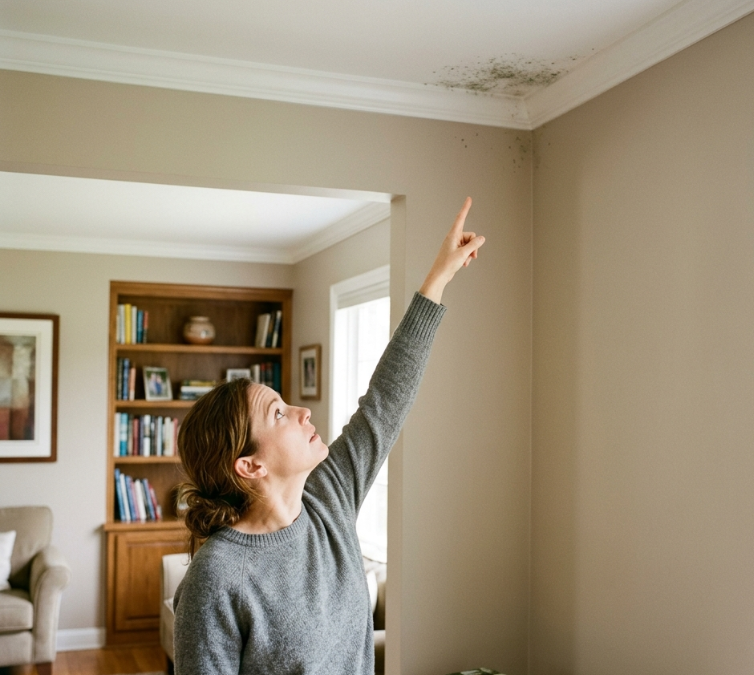
A house is more than four walls and a roof. It’s a system of materials, connections, and spaces that all interact with moisture differently, and certain structural characteristics can make mold more likely to take hold. Mold needs the right conditions to grow, and some homes are simply better at creating those conditions than others.
When a home’s own structure happens to supply several of those conditions in one spot, that’s often where mold problems begin. Understanding which structural features create those opportunities can help homeowners assess their overall risk and determine when mold testing in North Shore MA, may be worthwhile.
The Condition of Your Roof and Exterior
Your roof and exterior walls are doing a constant job that most homeowners never think about: keeping water on the outside where it belongs. That job gets harder as materials age. Shingles wear down, flashing around chimneys and vents can pull away slightly, and the caulking around windows and doors loses its seal over the years. None of these issues need to be dramatic to cause trouble. A small gap that lets in rainwater during every storm adds up over a season, slowly soaking framing and insulation that were never designed to handle ongoing moisture. Homes that haven’t had their exterior checked in a while are often dealing with several of these minor issues at once without realizing it.
How Plumbing Issues Create Risk
Every home relies on a network of pipes and connections running behind walls, under floors, and through cabinets, and that network only needs a single leak or failing connection to become a moisture source. Galvanized pipes in older homes are prone to corrosion that eventually leads to pinhole leaks. Even newer plumbing can develop issues at the joints, where fittings can loosen slightly over years of normal use and temperature changes. Because most of this plumbing is hidden, a slow leak can introduce moisture to the surrounding wood or drywall for a long stretch of time before anyone notices a stain or a soft spot.
Building Materials That Hold Moisture
Not every material used to build a home dries out at the same rate, and that difference matters more than most people realize. Drywall, for instance, is essentially compressed paper and gypsum, which makes it quick to absorb water and slow to release it. Wood framing behaves in a similar way, especially when it’s been wet repeatedly over time rather than just once. Homes built with a lot of these absorbent materials in areas prone to moisture, like a basement finished with standard drywall instead of moisture-resistant alternatives, have less tolerance for moisture exposure when water does become present.
Why Basements and Crawl Spaces Are Different
Basements and crawl spaces don’t play by the same rules as the rest of a home. Sitting partially or fully below ground level means they’re surrounded by soil that holds onto moisture long after a storm has passed, and that moisture doesn’t need a crack or a leak to become an issue. It can move through concrete gradually, contributing to elevated humidity levels in the space over time. Add limited ventilation, which is common in both basements and crawl spaces, and you’ve got an area where dampness doesn’t have many ways to escape on its own.
Take a Closer Look at Your Home’s Vulnerabilities
A roof that’s seen better days, plumbing that’s starting to show its age, materials that hold onto water, and a basement or crawl space working against the rest of the house can all play a part in how likely mold is to develop. Many homes have at least one of these factors somewhere, which makes it worth understanding which ones apply to yours.
If you have concerns about mold in your home, Green Home Solutions offers inspections and mold testing in North Shore MA, to determine what parts of your home’s structure or systems are creating conditions for it to grow. Contact our team today to schedule an assessment.