
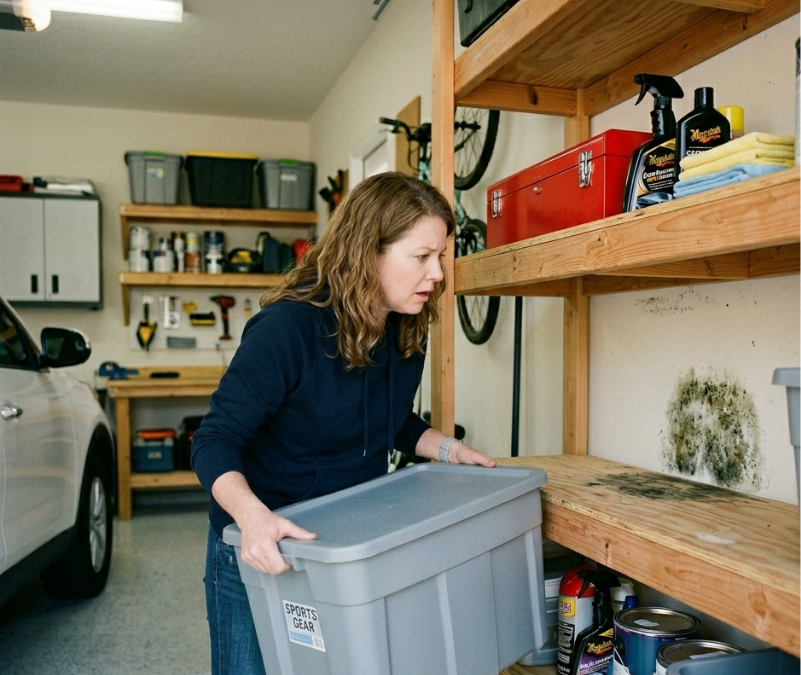
Many homeowners think mold is only a concern after significant water damage, but smaller sources of moisture can create the same conditions over time. Mold often develops gradually as excess moisture accumulates and remains trapped inside the home, even when there hasn’t been a major plumbing leak or flood.
Understanding how excess moisture builds up is one of the best ways to reduce the likelihood of mold growth. When mold has already become established, mold remediation in Princeton, NJ, helps remove existing growth and restore a healthier indoor environment.
Everyday routines that generate moisture, the way belongings are stored, infrequently used rooms with poor air circulation, and maintenance issues that allow water intrusion are among the most common factors that increase mold risk inside a home. None of these situations automatically lead to mold, but they all create opportunities for moisture to linger where it shouldn’t. Paying attention to these everyday conditions helps you identify potential problems earlier and reduce the chances of mold becoming established.
Normal Household Activities Generate Moisture
Many common household routines release moisture as a normal part of daily life. From hot showers and preparing meals to steaming clothing and washing dishes, these activities steadily add water vapor to the air. In total, an average household can introduce between 3 and 6 gallons of moisture into the home each day through ordinary routines.
When that moisture is removed efficiently, it rarely creates a problem. If it remains trapped because of poor ventilation or consistently high humidity, however, it can collect on surfaces and create an environment where mold is more likely to become established.
Storage Habits Can Contribute to Mold Risk
Unlike the rooms you use every day, storage spaces often receive very little attention. Closets, cabinets, garages, and storage rooms can go weeks or months without anyone noticing changes in moisture or airflow.
Poor storage habits can make the situation worse. Cardboard boxes, stored fabrics, and tightly packed belongings limit airflow and hold moisture close to walls, floors, and other surfaces. Giving stored items room to breathe, avoiding clutter around plumbing and air vents, and checking these spaces regularly can help reduce conditions that encourage mold growth.
Moisture Issues Can Go Unnoticed in Unused Rooms
Rooms that aren’t part of your daily routine often receive fewer opportunities for problems to be discovered. A guest room, basement, or formal dining room might look perfectly fine from the doorway while excess moisture is developing around a window, beneath flooring, or behind furniture.
Limited airflow and fewer routine inspections make these spaces especially important to check from time to time. Looking for signs such as musty odors, condensation, or water stains can help you identify developing moisture problems before they create conditions that support mold growth.
Prompt Repairs Give Moisture Less Opportunities
Some of the most significant moisture problems begin with issues around your home that seem relatively minor. A loose plumbing connection, worn caulk, an aging roof, or poor drainage around your home can all introduce small amounts of water over an extended period.
Because the change happens gradually, building materials often remain damp longer than expected, creating an environment where mold can begin to grow. Making routine inspections and addressing maintenance issues before they worsen helps protect your home from ongoing moisture exposure and the problems that can follow.
Don’t Let Everyday Moisture Become a Bigger Problem
Many of the habits that increase mold risk seem harmless on their own, which is why moisture problems often develop gradually instead of all at once. Recognizing where excess moisture comes from and taking action early helps reduce the likelihood of mold becoming established.
When mold is already affecting your home, Green Home Solutions offers mold remediation in Princeton, NJ, to treat existing growth and help prevent it from returning. Contact our team today to schedule an inspection and find the right solution for your home.