
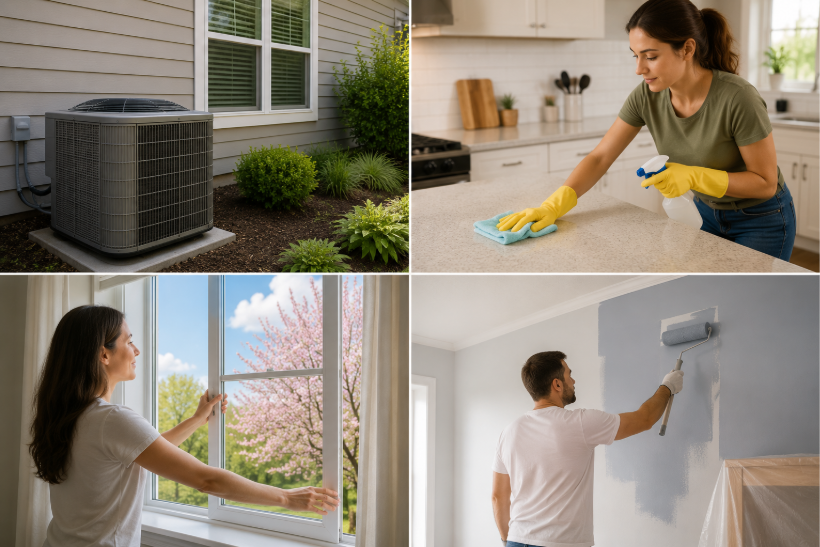
The air inside your home is always responding to what’s happening around it. Some changes happen because of the weather, others are caused by everyday routines, and some come from the materials that make up your living space. While each influence may seem small on its own, they all work together to shape the air you breathe.
Knowing where these changes come from can help you better understand why indoor air quality isn’t determined by a single source. Instead, it reflects a combination of factors that are constantly changing throughout the year.
Why Ventilation Matters
The way air moves through your home has a direct effect on indoor air quality. Fresh outdoor air helps dilute pollutants while carrying stale air and excess moisture outside. When ventilation is limited, many of the particles and gases produced during normal daily life remain indoors longer, allowing them to build up over time.
That buildup can include volatile organic compounds (VOCs) released by household products and furnishings, cooking byproducts, combustion gases from gas appliances, and naturally occurring radon. Limited airflow also allows moisture to linger, creating conditions that may support mold growth while making your indoor air feel stale. Good ventilation helps reduce these conditions by continually exchanging indoor and outdoor air.
Daily Activities and Your Indoor Air
Many ordinary routines influence your indoor air without attracting much attention. Preparing meals, cleaning your home, taking showers, and spending time with pets all introduce different particles, moisture, or compounds into the air throughout the day.
High-heat cooking releases fine particles and combustion byproducts, while cleaning sprays, air fresheners, and scented candles may release VOCs. Dusting and other cleaning activities can temporarily return dust, pollen, and pet dander to the air before they are removed. Even habits such as keeping windows closed for extended periods or not using an exhaust fan after a shower can gradually change the conditions inside your home. None of these activities is unusual on its own, but together they continually influence your indoor air quality.
Changing Seasons Change Your Indoor Environment
Your indoor air changes along with the seasons because outdoor conditions and the way you use your home change throughout the year. Temperature, humidity, ventilation, and airborne particles all fluctuate, creating different indoor air quality conditions from one season to the next.
Spring often brings higher pollen levels along with increased rainfall that can create damp conditions around your property. Summer humidity allows moisture to remain indoors more easily, while running the air conditioning often means windows stay closed for longer periods.
During the fall, damp, decaying leaves can contribute to higher outdoor mold levels, while the first use of your heating system may circulate dust that settled during the warmer months. Winter creates another shift as homes remain closed to conserve heat, reducing fresh air exchange while heating systems often leave indoor air noticeably drier.
Although each season presents different conditions, they all contribute to the air you breathe inside your home.
The Connection Between Building Materials and Indoor Air
The materials throughout your home continue interacting with the air long after they have been installed. Paint, flooring, cabinetry, furniture, and similar products may release VOCs, particularly when they are new or recently installed. Carpets, upholstered furniture, and fabrics can also collect dust, pollen, and pet dander that later become airborne during normal household activity.
Moisture changes these materials in different ways as well. Drywall, insulation, and other building materials affected by leaks may retain moisture that supports mold growth. Older homes may also contain materials such as asbestos-containing products or lead-based paint that require careful attention if they become damaged or disturbed. The condition of the materials inside your home is another factor that contributes to your overall indoor air quality.
Discover What Is Affecting Your Indoor Air
Understanding what influences indoor air is helpful, but it doesn’t reveal exactly what is present inside your home. Indoor air quality testing in Sterling, VA, provides objective information by evaluating your air for pollutants while identifying conditions that may contribute to indoor air quality problems.
Testing can identify contaminants such as airborne mold spores, volatile organic compounds (VOCs), fine particulate matter, combustion gases, and radon, while also evaluating conditions like excess moisture that may affect your indoor air. The results provide reliable information that helps determine whether additional steps are needed to improve your indoor air quality.
Get Reliable Information About Your Indoor Air
Every home experiences a different combination of conditions that influence indoor air quality. Professional testing replaces assumptions with information specific to your home, helping you better understand the air you breathe and whether any issues should be addressed.
Green Home Solutions provides indoor air quality testing in Sterling, VA, along with clear explanations of the findings and practical recommendations based on the results. Contact Green Home Solutions today to schedule an indoor air quality assessment and take the next step toward a better understanding of your indoor air.