
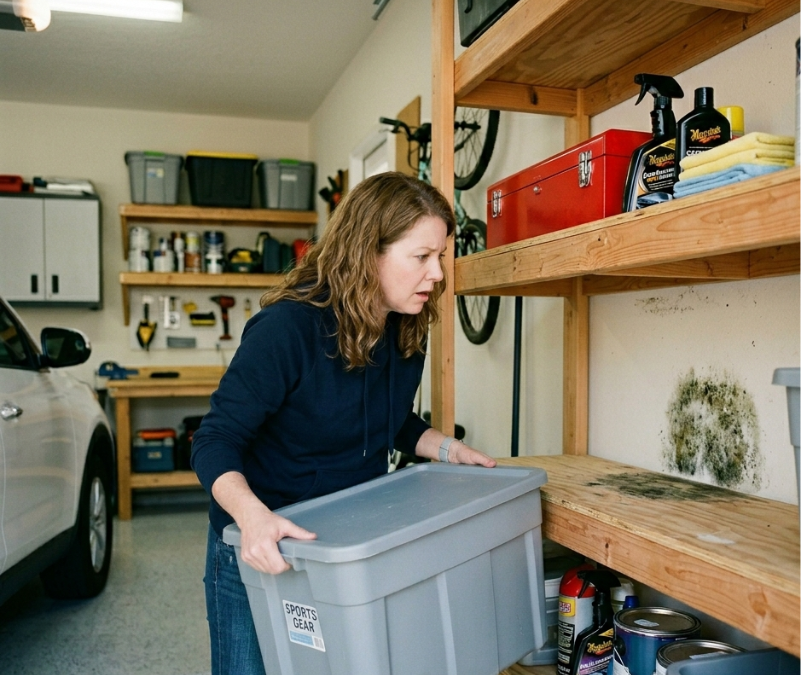
Mold doesn’t usually appear overnight. In many cases, it develops because moisture has been allowed to linger for weeks or months without anyone realizing the conditions are right for growth. Everyday household routines and overlooked maintenance tasks often provide the water and humidity mold needs to spread.
If mold has already developed in your home, mold remediation in Washington, NJ, can help you restore a healthier indoor environment. Understanding which habits increase mold risk also gives you the opportunity to prevent many problems before they start.
Everyday household habits that commonly increase mold risk include:
- Daily activities that add moisture to the air
- Storage practices that reduce airflow and trap humidity
- Leaving seldom-used rooms closed off and unchecked
- Delaying repairs that allow water to enter your home
Most of these habits seem harmless on their own, but together they can create the damp conditions mold depends on. Recognizing these patterns makes it easier to reduce moisture before it becomes a larger problem.
Everyday Routines Add Moisture to Your Home
Many of the things you do every day add moisture to your home without much thought. Cooking, showering, washing dishes, air-drying laundry indoors, watering houseplants, steaming fabrics, and even breathing all release water vapor into the air. Over the course of a day, a typical household generates 3 to 6 gallons of moisture through these routine activities alone.
That amount of moisture isn’t usually a problem when it’s removed through proper ventilation and airflow. However, if humidity lingers because exhaust fans aren’t used or damp areas don’t dry completely, everyday routines can gradually create conditions that support mold growth.
The Way You Store Belongings Can Trap Moisture
Storage habits can either help moisture dry out or make it easier for damp conditions to persist. Packing boxes tightly together, stacking belongings directly against walls, blocking air vents, or putting away damp clothing and other items all restrict airflow and make it more difficult for moisture to evaporate.
These habits become even more problematic when condensation, elevated humidity, or a small leak is present. Cardboard boxes, paper products, and fabrics can absorb that moisture and provide organic material for mold to feed on. Leaving space for air circulation, storing items dry, and keeping belongings off concrete floors when practical all help reduce the conditions that support mold growth.
Infrequently Used Rooms Can Hide Moisture Problems
Some rooms naturally receive less attention than others. Guest bedrooms, basements, attics, and formal living areas can sit unused for days or even weeks at a time, making small changes easy to miss.
When a room isn’t visited regularly, signs of excess moisture often go unnoticed. A slow plumbing leak, condensation around a window, or rising humidity can continue affecting the space long before anyone realizes there’s a problem. Opening these rooms periodically and checking for damp spots, musty odors, or other signs of moisture helps identify issues before mold has an opportunity to spread.
Delayed Maintenance Lets Moisture Linger
Not every moisture problem begins with a burst pipe or roof leak. Many start with smaller maintenance issues that allow water to enter your home little by little. A dripping faucet, damaged window seal, cracked caulk, clogged gutter, or slow plumbing leak can expose nearby materials to moisture every day without attracting much attention.
Over time, that repeated exposure prevents surfaces from drying completely and creates conditions where mold can become established. Addressing these repairs promptly helps limit moisture before it has an opportunity to spread beyond the original problem.
Reduce Mold Risks Around Your Home
Mold doesn’t usually develop because of one isolated mistake. More often, it’s the result of excess moisture that has been allowed to linger over time. Paying attention to everyday routines, improving airflow, maintaining storage areas, and addressing repairs promptly can all help create a less favorable environment for mold.
When prevention isn’t enough, mold remediation in Washington, NJ, provides a professional solution for addressing existing mold growth and the conditions that allowed it to develop. Contact Green Home Solutions today to schedule an inspection and learn how we can help restore a healthier home.