
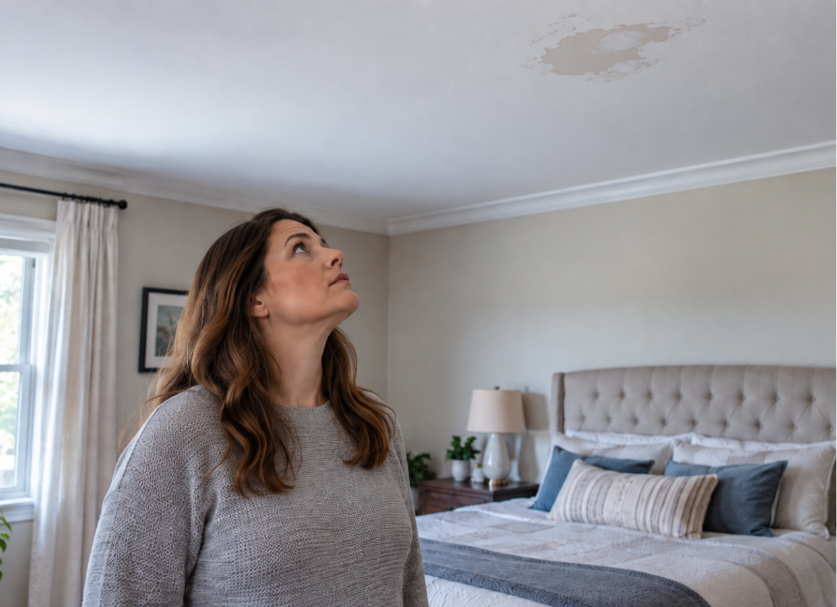
How Problems Above the Ceiling Can Affect the Rest of Your Home
Your attic may sit outside of your everyday living space, but it remains connected to the rest of your home through airflow, structural openings, ductwork, and other building components. Because of those connections, mold that develops above your ceiling can affect more than the surfaces where it first appears.
Recognizing how attic mold can influence indoor air, building materials, and the rooms below can help you identify signs of a problem sooner. It also explains why growth in this part of your home should be addressed before the effects become more widespread.
What Creates the Right Conditions for Attic Mold?
Attics can provide mold with nearly everything it needs to grow once moisture is introduced. Wood framing, roof sheathing, insulation facing, and accumulated dust all offer organic material, while limited airflow can allow damp conditions to persist longer than they should.
Moisture can enter or build up in your attic in several ways. Warm air rising from your living space can reach colder attic surfaces and form condensation, especially during colder months. Roof leaks and ice dams can introduce water directly, while inadequate ventilation may keep humid air trapped inside. Bathroom or kitchen exhaust fans that terminate in the attic instead of outdoors can add even more moisture, creating conditions where mold can become established.
How Attic Air Reaches the Rooms Below
Your attic isn’t an airtight compartment. Openings around recessed lighting, wiring, plumbing, attic hatches, and other ceiling penetrations create small pathways between the attic and your living areas. As air pressure shifts throughout your home, attic air can move through these openings and carry airborne mold spores with it.
HVAC components can create another route. If ductwork running through the attic has loose joints or leaks, attic air can enter the system and be distributed to other rooms when your heating or cooling operates. This means mold growing above your ceiling can influence indoor air even when the growth itself remains out of sight.
What Attic Mold and Moisture Can Do to Building Materials
The same damp conditions that support attic mold can also affect the materials that make up the space. Insulation may become wet, compressed, or less effective, while roof decking, rafters, and framing can remain exposed to moisture for extended periods.
Mold can grow across these organic materials as long as favorable conditions continue. Over time, persistent moisture and mold growth can contribute to deterioration of wood and increase the amount of material that requires treatment or repair. If the problem becomes extensive enough, it can affect important structural components that help support your roof.
Signs That Can Reveal a Hidden Attic Mold Problem
Because your attic may go for long periods without being checked, the first indication of a problem may appear somewhere else in your home. Possible signs include:
- Musty odors near the attic or upper floor
- Visible mold on rafters or roof sheathing
- Water stains on attic materials
- Damp or compressed insulation
- Condensation on decking, nails, or framing
- Evidence of a roof leak or moisture problem
- Recurring ceiling stains below the attic
- Allergy symptoms that worsen indoors
None of these signs confirms attic mold on its own, but noticing one or more of them can provide a reason to have the space inspected and identify the source of the moisture.
How Professional Attic Mold Removal Addresses the Full Problem
Effective attic mold removal in Washington, NJ, begins with a thorough inspection to determine how extensive the growth is and what moisture conditions allowed it to develop. Once the scope of the problem is understood, containment measures are put in place to help keep spores from spreading during the removal process.
The existing mold is then removed, and the moisture source behind it is corrected. Whether the problem involves a leak, condensation, poor ventilation, or another condition, addressing both the growth and its cause is necessary to fully resolve the issue and reduce the likelihood of mold returning.
Address Attic Mold Before the Problem Becomes More Extensive
Mold in your attic can affect more than the materials where it first develops. Airborne spores can reach living areas, while ongoing moisture can damage insulation and important structural components. Addressing both parts of the problem is important for protecting the rest of your home.
Green Home Solutions provides attic mold removal in Washington, NJ, with treatment based on the conditions found during your attic evaluation. We identify the extent of the growth, determine what’s contributing to excess moisture, remove the mold, and recommend the necessary steps to correct the underlying cause. Contact us today to schedule an attic inspection or request a quote online.