
How Attic Conditions Can Influence the Living Spaces Below
While your attic may feel separate from your everyday life, it’s still part of the same structure and airflow system as the rest of your home. Moisture, temperature changes, ductwork, access points, and other openings all create connections between the attic and the rooms below.
When mold develops above your living space, its effects don’t always stay contained there. Spores, odors, and excess moisture can move beyond the attic, while the damp conditions supporting the growth can also affect insulation, roof decking, and framing. Understanding how attic mold forms and how those conditions can influence the rest of your home helps show why the problem should be addressed promptly rather than allowed to continue.
Where Does Attic Moisture Come From?
Mold requires moisture, and that moisture can enter or build up in your attic in several ways. Ventilation problems can allow warm, humid air from your living space to rise and become trapped. Roof leaks can introduce water directly onto wood and insulation. Seasonal ice dams in colder climates can push meltwater beneath shingles, creating damp areas on the roof deck. Condensation can also form on the underside of the roof when temperature differences are significant. Even exhaust fans that vent into the attic instead of outdoors can add moisture to the space. When that moisture persists, surfaces can stay damp long enough for mold to develop and spread across rafters, sheathing, and insulation.
How Attic Mold Can Move Into the Rest of the Home
Although your attic sits above your living areas, air movement connects the two. Mold can travel through your HVAC system, especially if ductwork passes through or draws air from the attic. Gaps around light fixtures, attic hatches, and other ceiling openings can allow spores to drift downward. Any small pathway between the attic and the rooms below can become a route for mold to spread.
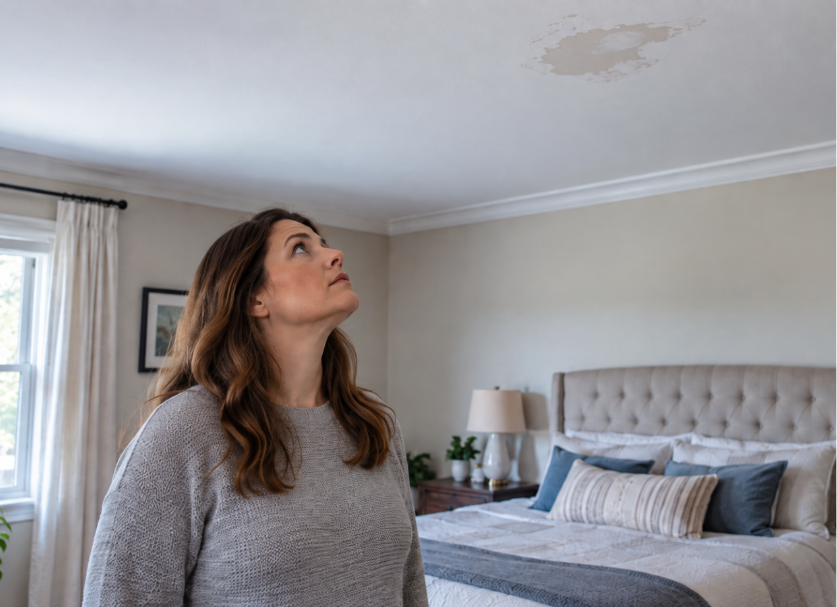
Signs that attic mold may be affecting your home include musty odors, increased allergy symptoms, or staining and moisture damage on ceilings beneath the attic. These indicators suggest that mold growth above your living space may be influencing indoor air quality.
Why Attic Mold Poses Risks for Homes and Health
Attic mold can affect both people and property. For individuals sensitive to mold, exposure may contribute to respiratory irritation or allergy symptoms. For the home itself, mold can weaken wood, damage insulation, and reduce energy efficiency. When the issue is not addressed, growth can expand, moisture problems can worsen, and repairs can become more extensive and time‑consuming. Leaving attic mold unresolved can also lead to higher costs and more complicated remediation later.
How Professionals Identify and Resolve Attic Mold
A complete approach to attic mold removal in Clive, IA, begins with a detailed inspection, which may include mold or air quality testing. This step determines how far the mold has spread and identifies the moisture conditions that allowed it to develop. Once the assessment is complete, the affected area is contained to prevent spores from moving into other parts of your home before the mold is removed. The issues contributing to excess moisture are then corrected as part of the remediation process.
Both removing the existing mold and resolving the underlying moisture source are necessary to fully address the problem and reduce the likelihood of it returning.
Take Action to Protect Your Home
Mold growing in your attic can affect more than the space above your ceiling. Air movement can carry spores and odors into the rooms below, while the moisture supporting the growth can also affect insulation, roof decking, framing, and other materials. Addressing the problem promptly can help limit these effects before the growth becomes more extensive.
Green Home Solutions provides attic mold removal in Clive, IA, with personalized solutions based on the specific conditions found in your home. We determine the extent of the growth, identify the moisture problems contributing to it, and recommend the appropriate treatment and corrections to address the full problem. Contact Green Home Solutions today to schedule an inspection, or request a quote online to get started.