Indoor Environmental Mycotoxin Testing for Air Quality Assessment
Most homeowners are familiar with mold, but fewer understand mycotoxins, the harmful compounds certain molds can produce. These microscopic toxins can become airborne, settle on surfaces, and linger in indoor environments long after visible mold is gone.
Green Home Solutions of California Central Coast provides professional environmental mycotoxin testing to help identify hidden risks and improve your indoor air quality. We partner with industry-leading Respirare Labs to deliver precise lab analysis, allowing us to recommend targeted solutions that support a healthier home.
Why Mycotoxin Testing Matters
Mycotoxins can remain in a home even after mold has been removed, continuing to impact indoor air quality. Testing helps uncover these hidden contaminants so you can take the right steps toward a safer environment.
- Protect Your Health: Exposure to certain mycotoxins has been linked to respiratory issues, immune responses, and neurological symptoms. Testing helps identify potential risks early.
- Understand Your Air Quality: Airborne mycotoxins can circulate throughout your home. Testing provides clarity on what may be present and where.
- Confirm Remediation Effectiveness: Post-remediation testing helps ensure that both mold and its byproducts have been properly addressed.
The Benefits of Combining Mycotoxin and Spore Trap Testing
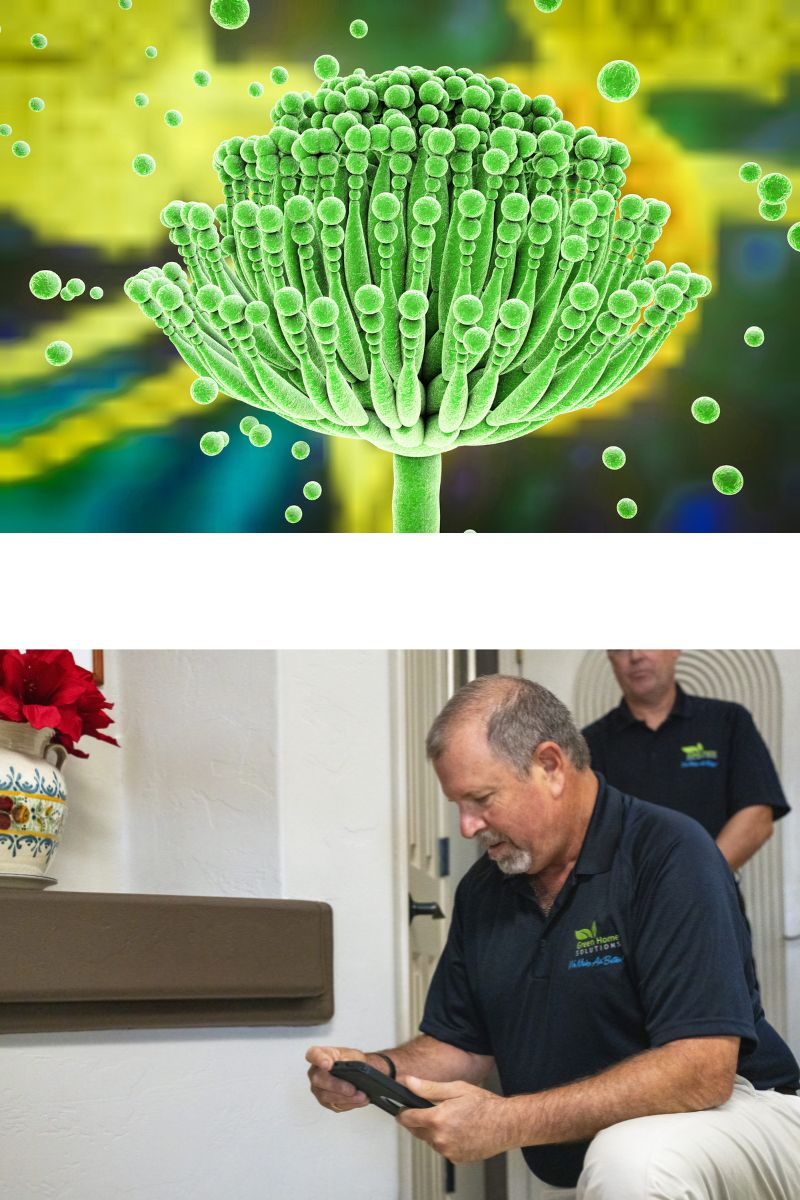
It’s necessary to use both spore trap testing and mycotoxin testing when assessing the health of your indoor environment. Spore trap testing identifies the types of mold present, while mycotoxin testing kits detect the toxic chemicals produced by active or previously active molds that pose significant health risks. By combining these two testing methods, you can achieve a more comprehensive evaluation of the quality and safety of your home or building.
Mycotoxin Testing
A method and technique designed to capture, detect, and measure mycotoxins in indoor environments. Our objective here is to identify the most dangerous chemical byproducts of mold that exist in both the air and on surfaces within indoor environments. This can be useful in evaluating the potential health risks and aid in taking measures to remove them.
Spore Trap Testing
A technique for capturing and measuring a diverse range of mold/fungal spores present in the air. Our objective here is to detect mold spores in the air and identify the specific type of mold to evaluate whether the spore levels indicate a fungal issue in the indoor space.
Airborne Mycotoxin Environmental Testing (AMEA)
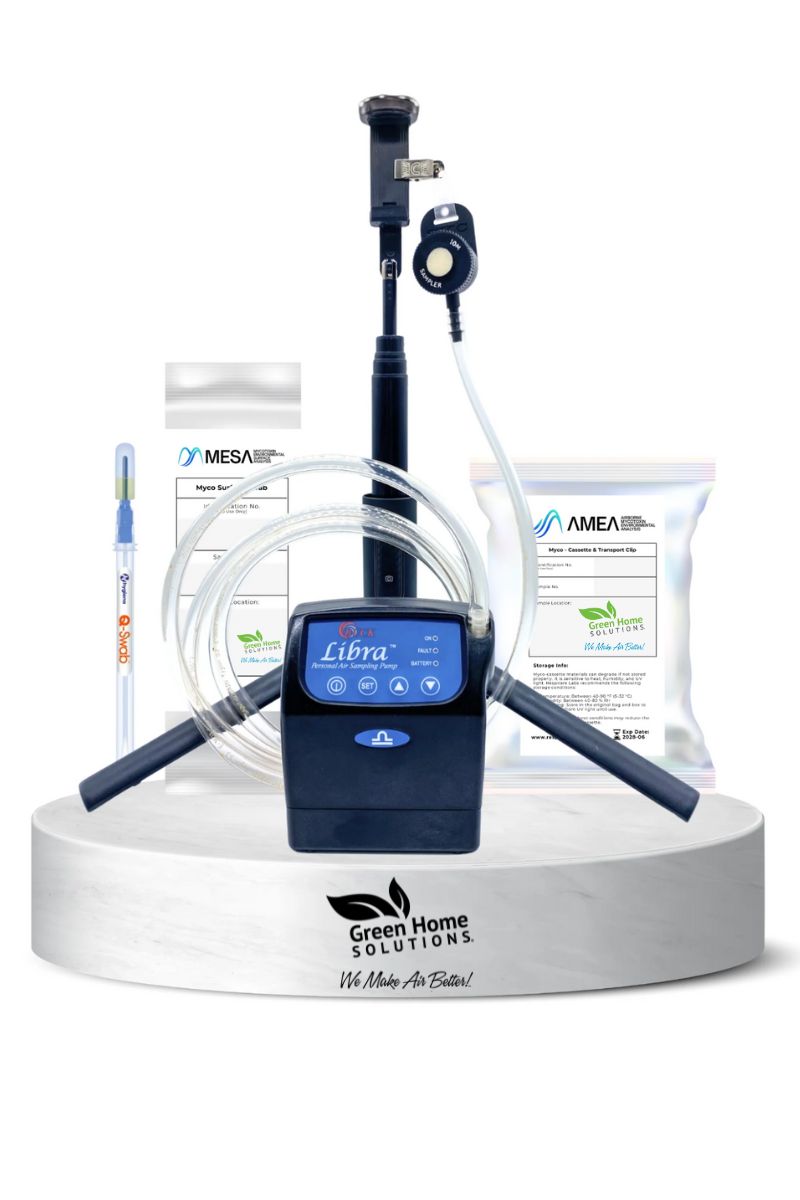
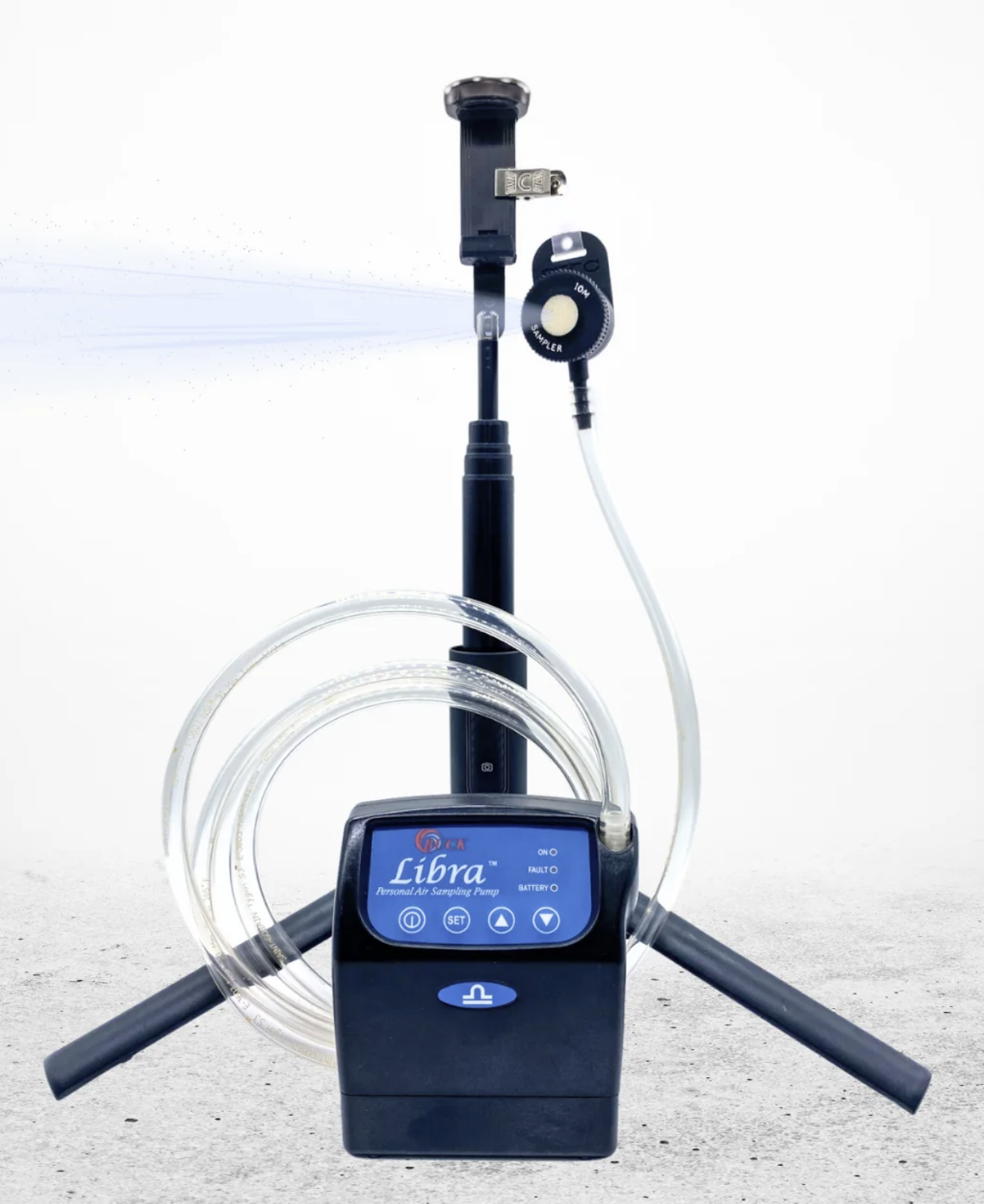
Green Home Solutions of California Central Coast uses advanced methods to measure airborne mycotoxins and evaluate indoor exposure levels. Our process includes the use of an IOM sampler, widely recognized for its ability to collect airborne particles and contaminants with high accuracy.
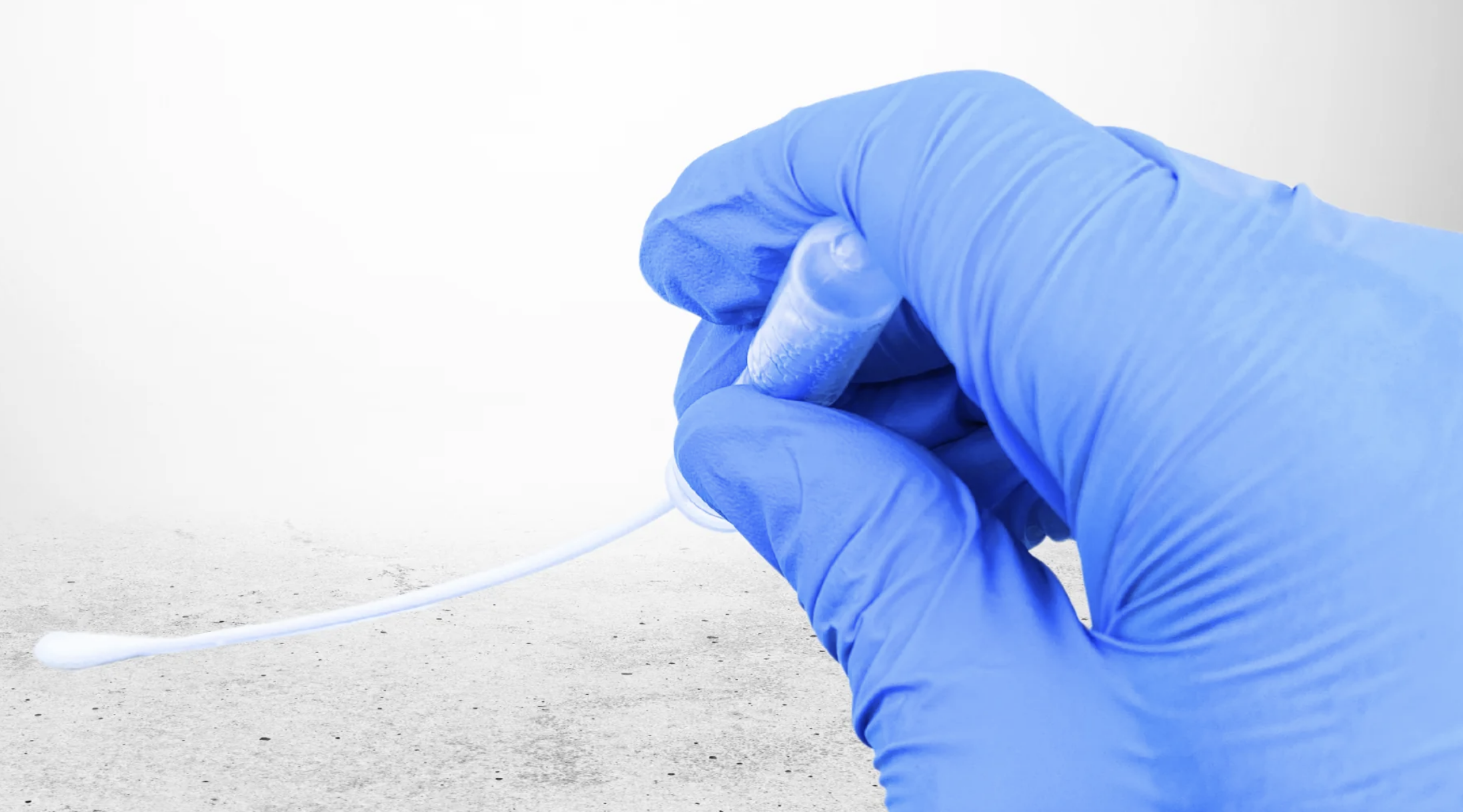
Samples are analyzed using ELISA (Enzyme-Linked Immunosorbent Assay), a proven laboratory method for detecting common mycotoxins associated with mold and water damage. This approach allows us to deliver reliable data that informs effective next steps.
Why Combine Mycotoxin Testing and Spore Trap Testing?
A complete indoor air quality test often includes both spore trap testing and mycotoxin testing. Each method serves a different purpose, and together they provide a more complete picture of your environment.
Mycotoxin Testing
This method detects the toxic byproducts produced by mold, even if the mold itself is no longer active. It helps identify chemical contaminants present in the air and on surfaces that may impact health.
Spore Trap Testing
This test captures airborne mold spores and identifies the types and concentrations present. It helps determine whether there is an active mold issue within the space.
Together, these tests help answer two key questions: Is mold present, and are harmful byproducts still affecting the environment?
What’s Next After Mycotoxin Testing?
Mycotoxin Environmental Surface Testing (MESA)
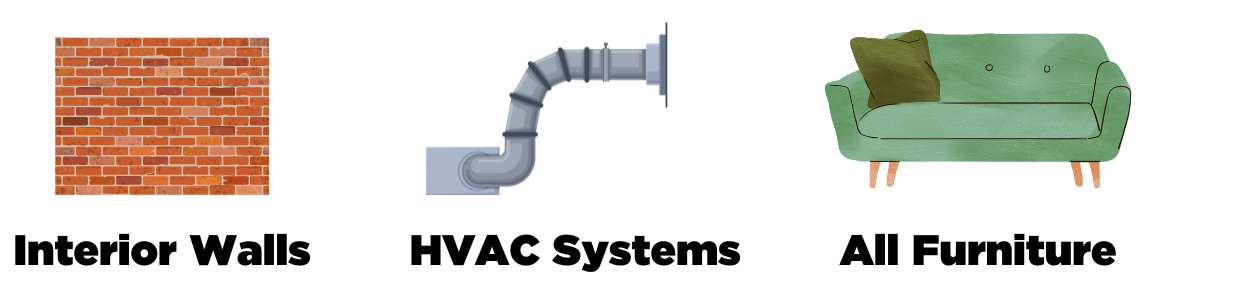
Mycotoxins don’t just stay in the air, they can also settle on surfaces throughout your home. Green Home Solutions of California Central Coast offers MESA surface testing to detect mycotoxins on materials such as walls, furniture, and HVAC components.
Using advanced extraction techniques and ELISA analysis, we can identify contamination on surfaces and help guide targeted cleaning or remediation strategies. This added layer of testing supports a more complete approach to improving your indoor environment.
Air Purification Systems
Once testing is complete, improving indoor air quality often involves more than remediation alone. Air purification systems can help reduce airborne contaminants and maintain a healthier environment over time.
Green Home Solutions of California Central Coast offers advanced air purification solutions designed to work alongside remediation efforts. These systems help manage airborne particles, contributing to cleaner air and ongoing protection for your home.
Frequently Asked Questions About Environmental Mycotoxin Testing
What are mycotoxins and why are they dangerous?
Mycotoxins are toxic compounds produced by certain types of mold. They can become airborne or settle on surfaces and may contribute to health concerns, particularly with prolonged exposure.
How do you test for mycotoxins in a home?
Environmental mycotoxin testing involves collecting air and surface samples, which are then analyzed in a laboratory using methods like ELISA to detect mold-related toxins.
Do I need mycotoxin testing if I already had mold removed?
In many cases, yes. Mycotoxins can remain in a home even after mold remediation is complete. Testing helps confirm whether additional cleaning or treatment is needed.
What is the difference between mold testing and mycotoxin testing?
Mold testing identifies the presence and type of mold spores, while mycotoxin testing detects the toxic byproducts that mold can produce. Both tests provide different but complementary information.
How long does environmental mycotoxin testing take?
The on-site sample collection is typically quick, while lab analysis may take several days, depending on the testing method and lab processing times.
Contact Us Today
Mycotoxin testing is crucial to ensure your home is free from harmful mold toxins that can impact your family’s health. Contact Green Home Solutions of California Central Coast today for comprehensive mycotoxin testing and safeguard your living environment.