
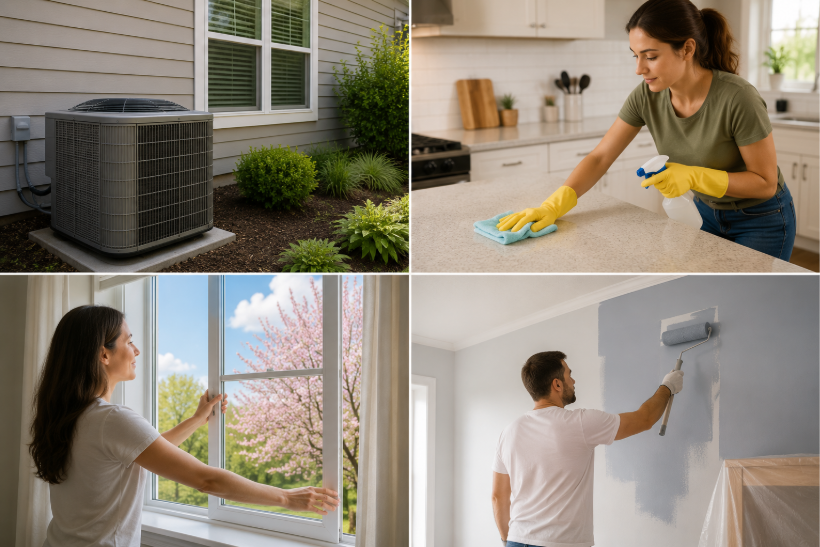
Your home’s indoor air changes throughout the day, shaped by your habits, the weather outside, and the materials throughout your space. Understanding what influences those changes makes it easier to see why your indoor air is constantly evolving, even when nothing else in your home seems different.
How Ventilation Supports Healthy Indoor Air
Air movement plays a major role in keeping indoor air comfortable. When fresh air can circulate, it helps replace older air, dilute everyday pollutants, and manage indoor moisture. Homes that stay tightly sealed often trap volatile organic compounds (VOCs) released by paints, furniture, and cleaning products. Limited airflow also allows cooking fumes, carbon monoxide from gas appliances, and naturally occurring radon to accumulate more readily indoors.
Poor ventilation can allow humidity to linger, creating conditions that can support mold growth. It can also lead to higher carbon dioxide levels, which can leave indoor spaces feeling stuffy or less comfortable. Consistent airflow helps maintain cleaner, more balanced indoor air.
Daily Routines Shape the Air You Breathe
The routines you follow each day continually influence your indoor air. Cooking on high heat can release fine particles and gases, while frying food adds smoke and grease droplets to the air. Cleaning can lift dust, pet dander, and even mold spores back into circulation, while cleaning sprays, candles, and air fresheners may release additional VOCs.
Simple habits also play a role. Keeping windows closed limits fresh air exchange. Long, hot showers without using an exhaust fan add moisture to the air. Allowing pets on upholstered furniture increases the amount of dander and hair that may become airborne. These routines are a normal part of daily life, but together they contribute to the condition of your indoor air.
Seasonal Conditions Change Your Indoor Air
Each season introduces different conditions that can influence your indoor air. Spring often brings higher pollen levels through open windows and doors, while increased rainfall can create damp conditions that support mold growth. Summer heat and humidity can allow moisture to linger indoors, and running the air conditioner often means windows stay closed, reducing fresh air movement.
Fall can raise outdoor mold levels as leaves decay, and turning on your heating system for the first time may circulate dust that settled during the warmer months. Winter typically means closed windows, less outdoor air entering your home, and heating systems that can leave indoor air noticeably drier. Together, these seasonal changes become another factor that influences the air inside your home throughout the year.
Building Materials Affect the Air You Breathe
The products and materials inside your home can influence indoor air long after they have been installed. Newly installed paints, varnishes, cabinetry, flooring, and furniture may release VOCs. Carpets, upholstered furniture, and fabrics can collect dust, pollen, pet dander, and other particles that later become airborne during normal activity.
Moisture also affects many building materials. Drywall, insulation, and similar materials that become wet from leaks may retain moisture and support hidden mold growth. Older homes may contain deteriorating asbestos-containing materials or peeling lead-based paint, both of which can release harmful particles. Together, these materials become another part of the overall indoor air quality picture.
Professional Testing Provides Clear Answers
With so many factors influencing your indoor air, it can be difficult to know exactly what is present through observation alone. Indoor air quality testing in Flemington, NJ, evaluates your air for pollutants while also assessing conditions that may contribute to air quality concerns.
Testing can detect airborne mold spores, VOCs, fine particulate matter, combustion gases, radon, formaldehyde, and other pollutants. It can also identify excess moisture and other conditions that may contribute to mold growth or additional indoor air quality issues. The results offer clear information that helps you determine whether improvements to ventilation, moisture control, filtration, or other solutions may be appropriate.
Make Informed Choices About Your Home’s Air
General information can help you understand what influences indoor air, but it can’t tell you exactly what is present inside your home. Professional testing provides property-specific information that helps you understand your indoor air and determine whether any issues should be addressed.
Green Home Solutions offers indoor air quality testing in Flemington, NJ, along with clear explanations of the findings and practical recommendations based on the results. Contact us to schedule an indoor air quality assessment and learn more about the air inside your home.