
Mold Remediation Process Explained
Finding and Fixing the Moisture Source
The S520 standard emphasizes that mold remediation must address the underlying moisture condition that allowed growth to occur.
Professional investigations typically include moisture measurements, evaluation of building conditions, and, in some cases, laboratory analysis of environmental samples. Correcting the moisture source is essential. Without addressing the underlying moisture problem, mold can return even after remediation, making any treatment ineffective over the long term. For this reason, the S520 standard treats moisture control as a foundational step in the remediation process.
Containment and Negative Air Pressure
Remediation activities can disturb mold spores and contaminated dust. The S520 standard emphasizes the use of engineering controls such as containment and negative air pressure to prevent contamination from spreading to unaffected areas of the building.
Containment barriers isolate the work area, and the contained space is typically placed under negative air pressure using high-efficiency air filtration devices (such as HEPA air scrubbers). This process continuously draws air into the containment area and filters it before discharge, helping capture airborne particles and prevent contamination from escaping. These controls allow remediation work to proceed while protecting the rest of the indoor environment.
Cleaning vs. Material Removal
The S520 standard recognizes that different building materials respond differently to mold contamination. Some materials may require removal when contamination is extensive or when effective cleaning cannot be achieved.
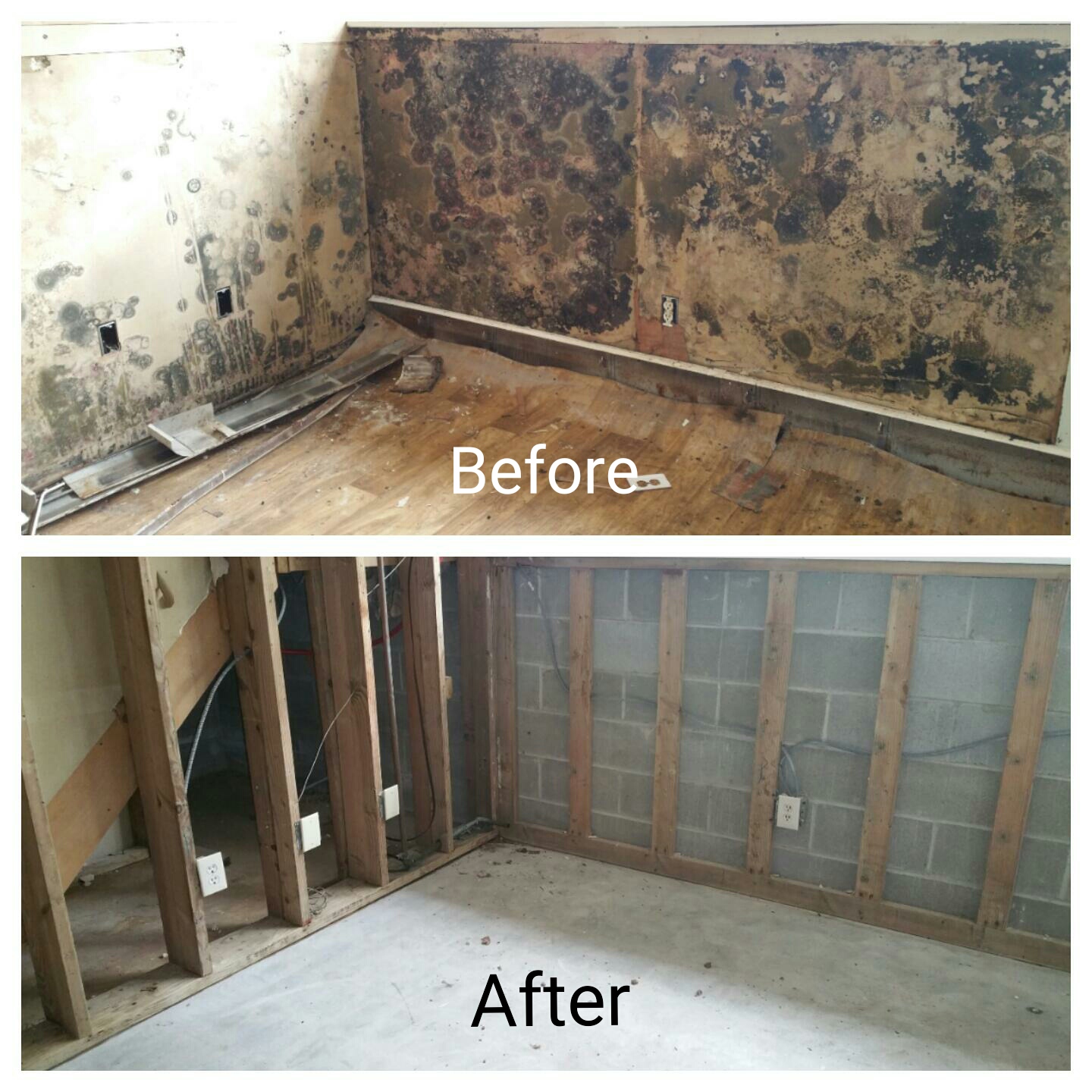
However, many structural materials can often be successfully cleaned and preserved. In these cases, remediation focuses on physically removing contamination from surfaces using methods such as HEPA vacuuming, agitation, damp wiping, or controlled brushing. Because these activities disturb contaminated dust, they are performed within containment under negative air pressure.
Even when certain materials must be removed, additional cleaning of surrounding surfaces is often necessary to address contamination that may have spread beyond the original growth location.
Highly aggressive abrasion methods—such as sanding contaminated wood—can aerosolize large amounts of particulate and are generally not preferred. Professional remediation emphasizes controlled cleaning methods that remove contamination while maintaining containment and airflow control, consistent with the intent of the S520 standard.
Encapsulation and Coatings: Limited Tools
Encapsulation coatings may sometimes be used during remediation, but they are generally considered supplemental tools rather than primary remediation methods. The S520 standard does not define encapsulation as a substitute for contamination removal.
In most cases, surfaces should first be properly cleaned so that contamination has been physically removed. Coatings may then be applied in certain situations to stabilize or protect materials after cleaning has been completed. However, because buildings contain many voids, cavities, and hidden surfaces, coatings alone are rarely a substitute for proper remediation and contamination removal.
Post-Remediation Verification (PRV)
An important concept within the S520 standard is post-remediation verification (PRV). After remediation work is completed, the affected area should be evaluated to confirm that remediation goals have been achieved.
PRV may include visual inspection, moisture confirmation, and in some cases environmental testing to help verify that contamination has been effectively removed and that the indoor environment has returned to Condition 1 (normal fungal ecology).
Verification helps demonstrate that remediation work has addressed both the source of contamination and any secondary contamination that may have spread within the environment.
How Professional Certification Connects to the S520 Standard
Many remediation certifications are built around the principles described in the S520 standard. For example, the IICRC Mold Remediation Specialist (MRS) certification includes training aligned with these concepts.
Professionals trained under these standards approach remediation as a structured process focused on investigation, containment, contamination removal, and verification that the indoor environment has returned to normal fungal ecology (Condition 1).