
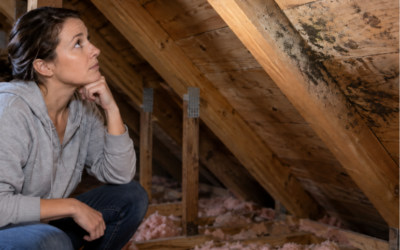
Can You Remove Attic Mold Yourself?
Why Attic Mold Requires More Than Surface Cleaning Finding mold in your attic can be an unsettling discovery. Once you spot it, you may consider trying to remove it yourself to save time and money. What may look like a relatively simple cleanup, however, can involve...

How Crawl Space Mold Can Affect the Rest of Your Home
Your crawl space may be out of sight and rarely visited, but conditions in the dark, confined area beneath your feet can affect the rest of your home. Through a natural pattern of rising airflow called the stack effect, air from your crawl space can be drawn upward...
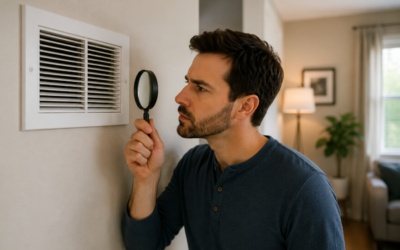
What Your Home Can and Can’t Tell You About Your Indoor Air
Many homeowners rely on everyday observations to determine whether something in their home needs attention. If everything looks clean, smells normal, and feels comfortable, it's easy to assume everything is in good condition. Indoor air quality, however, can't be...
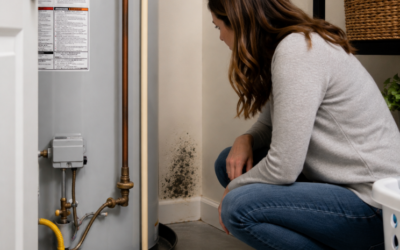
Why Mold Develops in Certain Areas of a Home
Mold is more likely to grow in some areas of your home than others. Some spaces naturally create a more favorable environment because of how they are used, how much airflow they receive, or how quickly moisture can dissipate. Understanding these factors can provide...

What Can Pollute Your Indoor Air?
Open a window for a few minutes, and the air inside your home changes immediately. Close it again, and it begins changing in a different way, influenced by everything from the meal you're cooking to the carpet underfoot. Indoor air is constantly evolving, carrying a...
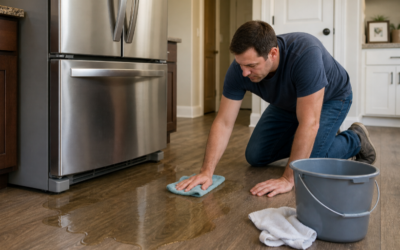
What Happens After Water Damage in Your Home?
Have you ever dealt with water in your home and felt relieved once everything looked dry again? That moment can feel like the end of the problem. In many cases, however, moisture continues to exist within materials after the...
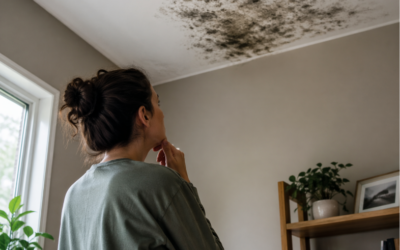
Why Mold Problems in Your Home Should Never Be Ignored
Some changes inside your home are easily noticed, but just as easy to set aside. A wall that no longer looks uniform, a surface that feels damp, or a smell that does not resolve can point to mold that needs attention. These are...