


Breathe Easier: Introducing the Whole Home Air Purifier by Green Home Solutions
At Green Home Solutions, we’re always searching for ways to help you achieve cleaner, healthier indoor air. That’s why we’re thrilled to introduce our latest innovation: the Whole Home Air Purifier powered by AprilAire. Designed to work seamlessly with your existing...
Tips for Maintaining Healthy Indoor Air Quality While Cooking
Cooking at home is a wonderful way to enjoy fresh meals, but it can also impact your indoor air quality. Here are some practical tips to keep your air clean and healthy while you cook: 1. Ventilate Properly Use an exhaust fan: Turn on your range hood or exhaust fan to...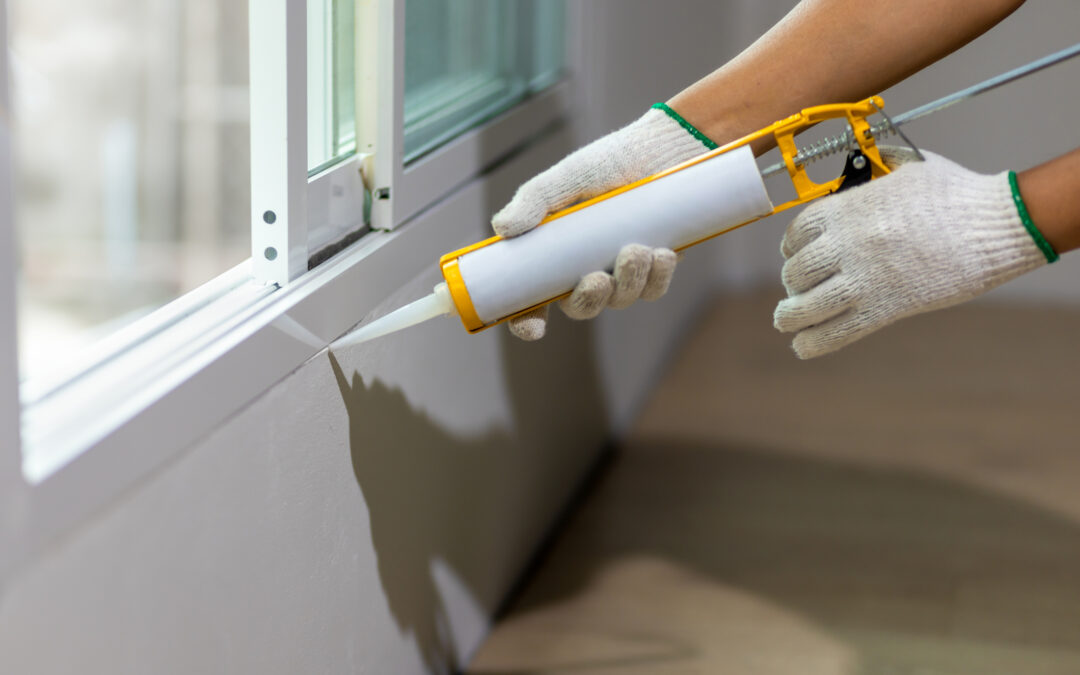
From Drafts to Clean Air: Easy Steps for Sealing Windows and Doors This Winter
As temperatures drop, drafts from windows and doors can make your home chilly and cause your heating system to work overtime. Sealing these leaks not only saves on energy bills but also improves indoor air quality by keeping pollutants and allergens out. Here are...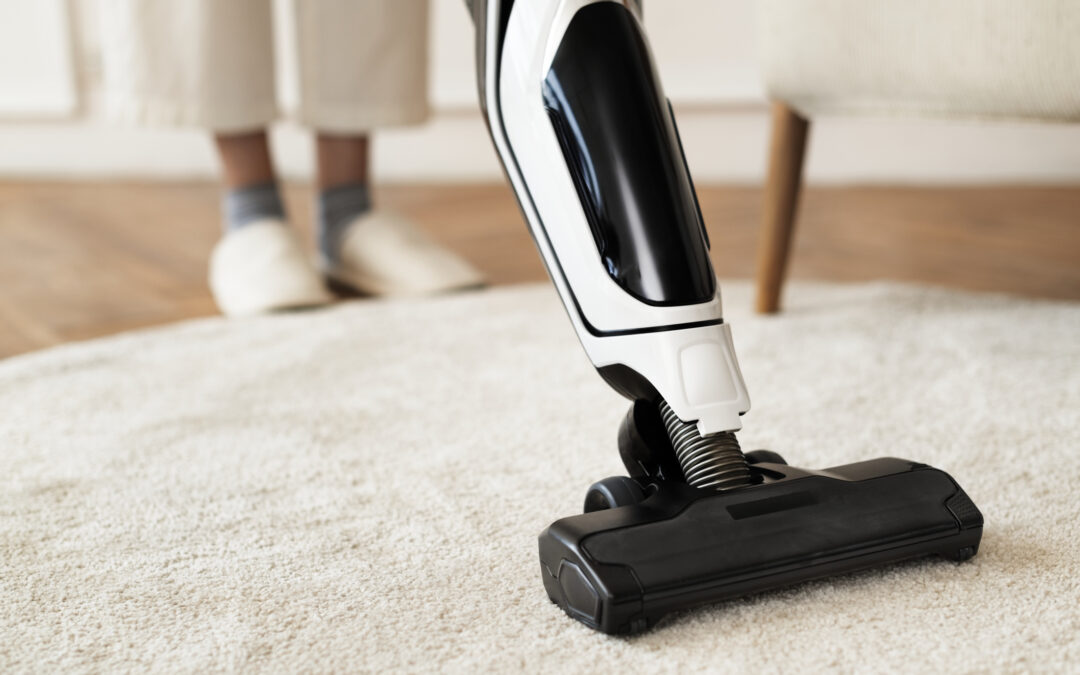
Vacuuming for Health: How Often Should You Really Clean Your Home in Winter?
During winter, as we spend more time indoors, maintaining clean indoor air becomes even more critical. Dust, pet dander, and allergens tend to accumulate in our homes when windows are closed, and this buildup can impact respiratory health, especially for those with...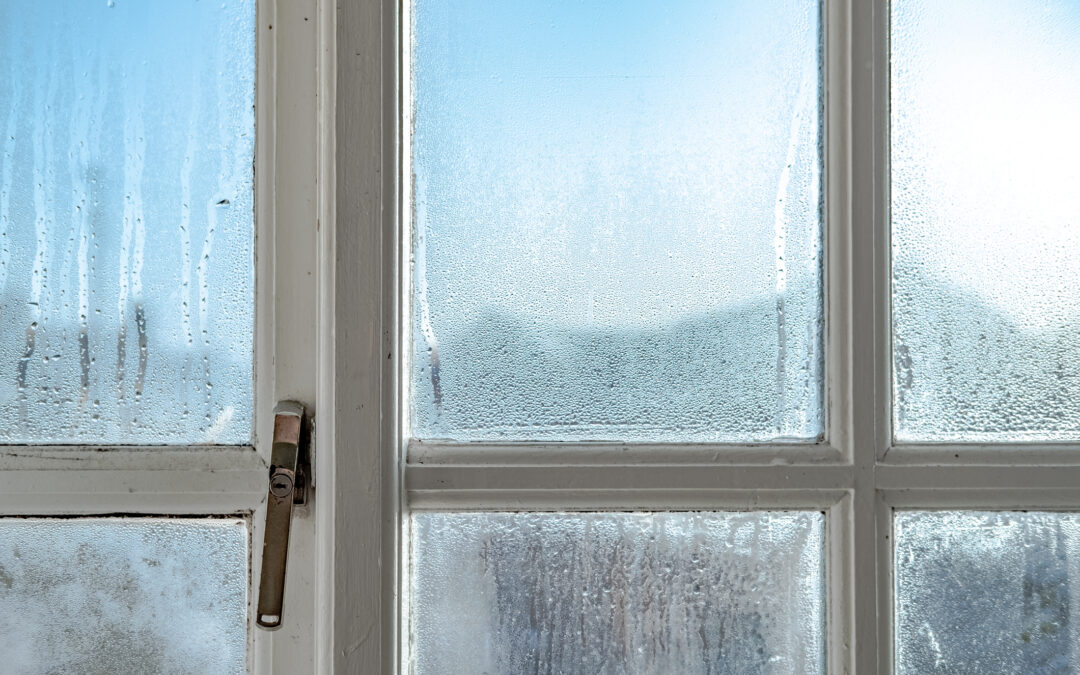
Why Humidity Control Matters for Winter Air Quality and Mold Prevention
Keeping indoor humidity in check is essential for a healthier home this winter. When we seal up our homes to stay warm, indoor humidity can quickly rise, creating the perfect conditions for mold growth and poor air quality. Here’s why controlling humidity is key: Mold...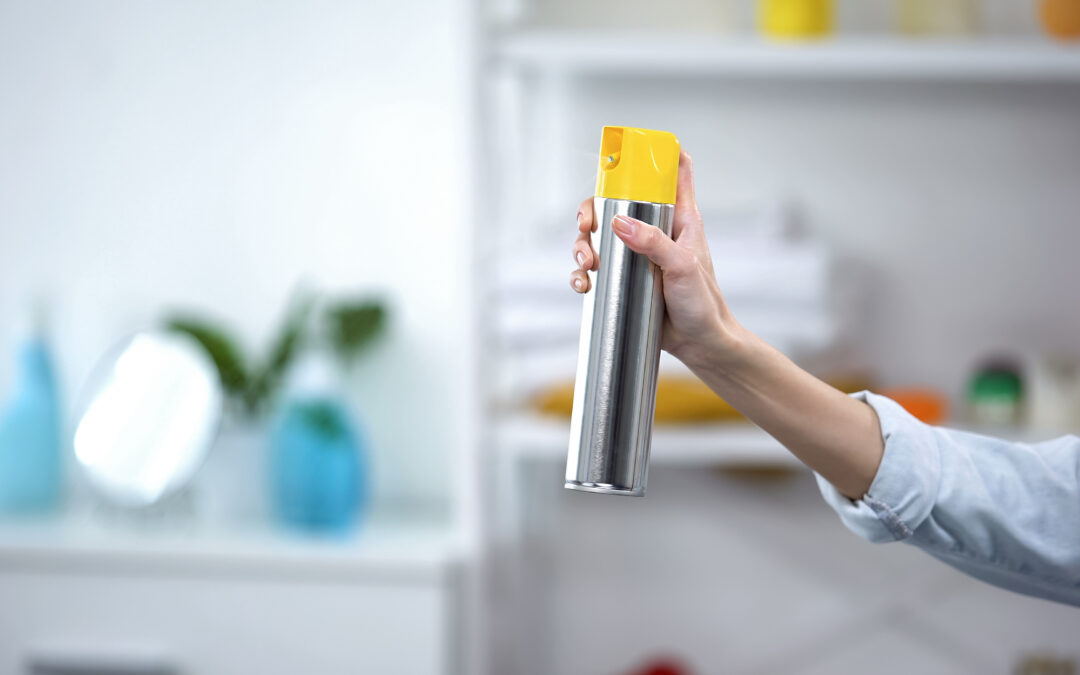
Are Your Air Fresheners Making You Sick? Safe Alternatives for Fresh Winter Air
With windows shut tight and heaters running full blast, many people rely on air fresheners to keep their homes smelling fresh through the winter. But could those scents be doing more harm than good? Recent studies have shown that air fresheners can release volatile...
Fall Allergies and Indoor Air Quality: How to Keep Your Home Allergen-Free
As temperatures shift and seasons change, many homeowners struggle with increased allergies during the fall months. While outdoor allergens like ragweed and mold spores are common culprits, indoor air quality plays a significant role in allergy symptoms as well....
Preparing Your Home for Winter: The Importance of Crawl Space Encapsulation and Vapor Barriers
As the cold weather approaches, many homeowners focus on winterizing their homes to ensure comfort and energy efficiency. One often overlooked area is the crawl space, which can be a significant source of heat loss, moisture problems, and even mold growth. Crawl space...
Beware of Hidden Mold: October’s Ideal Conditions for Growth
As we settle into October, many homeowners may not realize that this month creates the perfect conditions for hidden mold growth. Mold thrives in damp, dark, and poorly ventilated areas, which can easily go unnoticed until it becomes a serious problem. Identifying and...
October Indoor Air Challenge: Keeping Your Home Fresh and Clean
As we move deeper into October, the days are getting shorter, and many of us are spending more time indoors. With that shift, maintaining the quality of the air in your home becomes even more crucial. Poor indoor air quality can lead to a range of issues, from...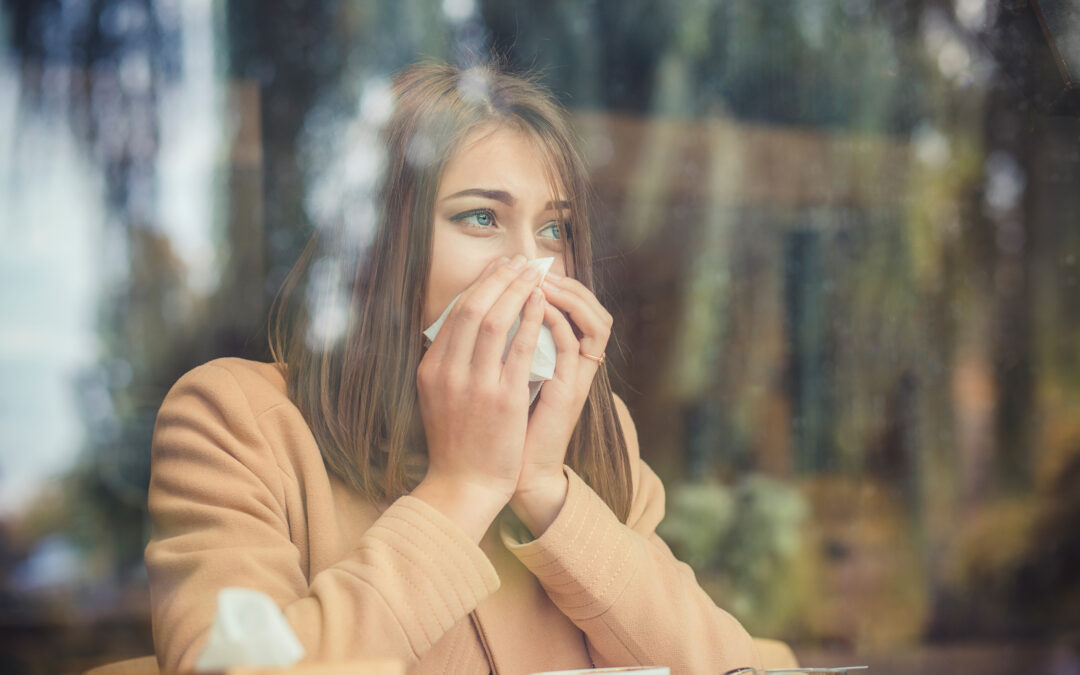
Navigating Fall Allergens: Enhancing Indoor Air Quality
As autumn arrives and the weather cools, a new set of allergens begins to affect the air quality within our homes. Fall allergens such as ragweed pollen, mold spores, and dust mites can easily infiltrate indoor spaces, leading to heightened allergy symptoms and...Why It’s Essential to Ventilate Your Home in the Autumn Months
As the autumn chill sets in, many of us tend to close our windows and doors to keep the warmth inside. Unfortunately, this practice can lead to a buildup of indoor pollutants, including dust, pet dander, and volatile organic compounds (VOCs) from household products....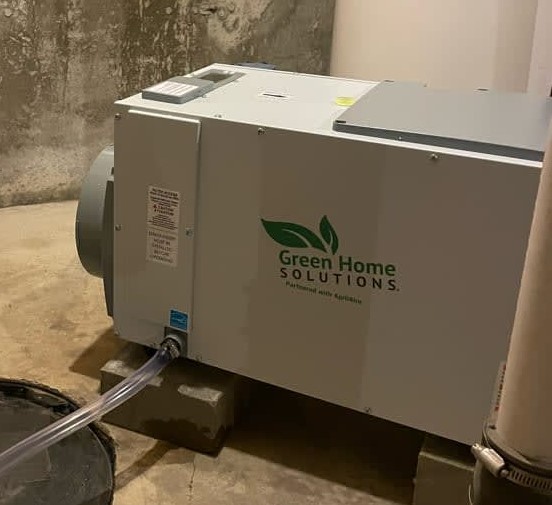
Essential Tips for Mold Prevention This Fall
As the fall season approaches, cooler temperatures and increased humidity can create an ideal setting for mold to flourish in your home. The Environmental Protection Agency (EPA) highlights that “Mold can grow in as little as 24-48 hours when moisture and...