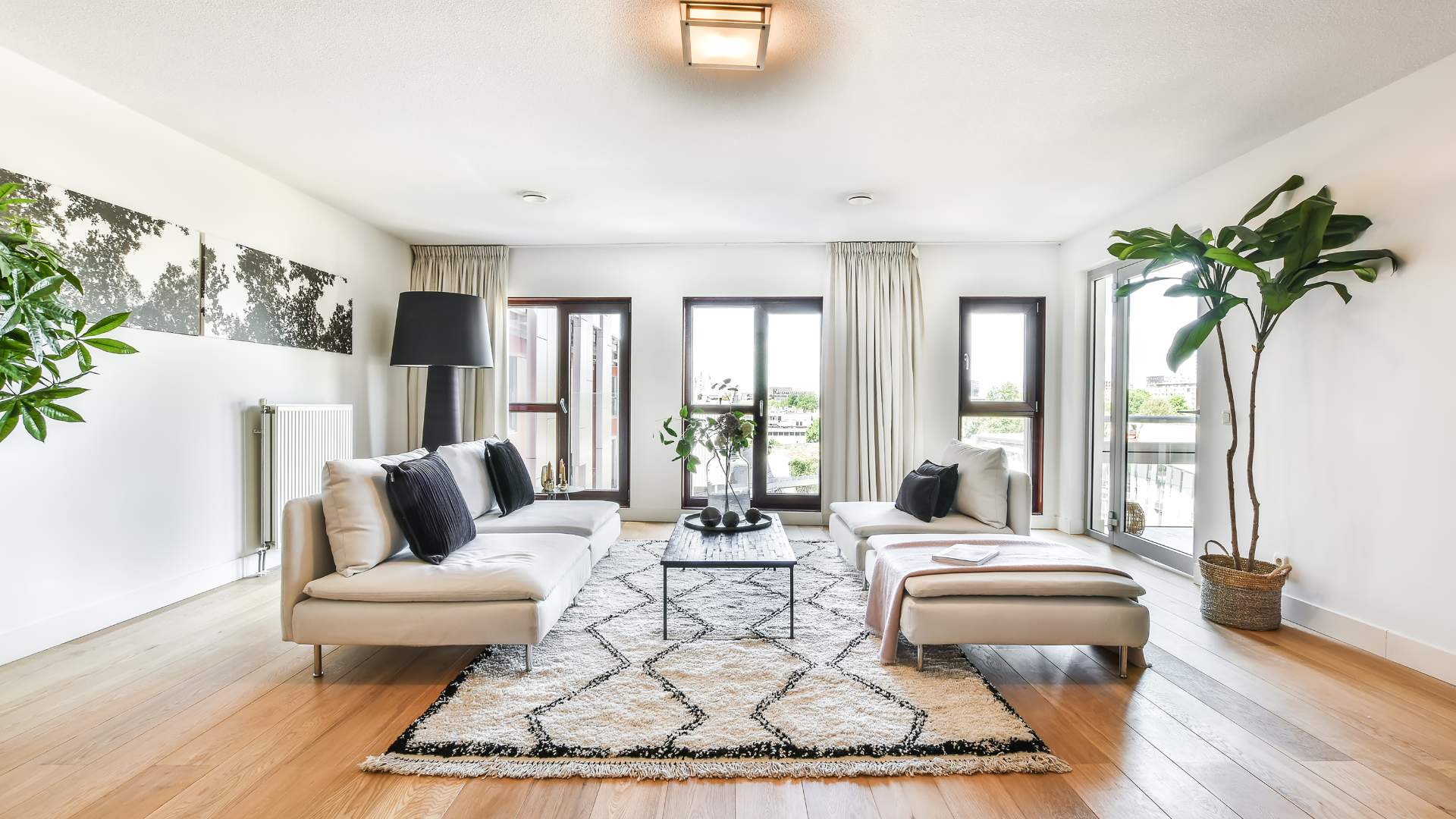
If your home feels stuffy, you experience afternoon fatigue, or bedrooms feel stale in the morning, elevated carbon dioxide (CO₂) levels could be part of the problem.
In today’s energy-efficient homes and long winter months with windows closed can trap indoor air. As CO₂ builds up from normal breathing and daily activities, ventilation becomes limited — and air quality will decline.
While CO₂ at typical household levels isn’t toxic, higher concentrations often signal that additional fresh air exchange is needed — meaning other pollutants like allergens, VOCs, fine particulates and odors may also be concentrating over time.
How to Reduce CO₂ Levels
- Improve ventilation (install an ERV/HRV system)
- Crack windows whenever temperature allows
- Monitor indoor air levels
- Address underlying air quality concerns
We take a whole-home approach to indoor air quality. If your home feels stale or uncomfortable; you’re sneezing, wheezing, getting sick more frequently or unusually tired: we can help identify the cause and recommend safe, effective solutions.
Call to schedule an indoor air quality consultation and finally understand what’s in your air and how to make it healthy again.