
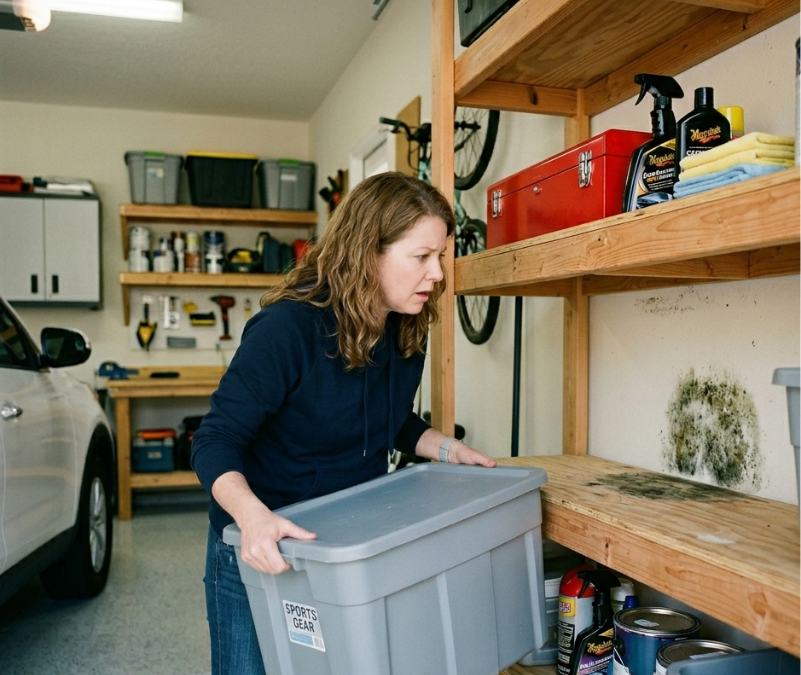
Most homeowners think of mold as a problem caused by leaks, flooding, or other obvious sources of water. While those issues certainly contribute, the way a home is used every day can also influence how likely mold is to develop. Daily routines, storage decisions, maintenance habits, and even which rooms receive regular attention can all affect how moisture behaves inside a house.
Several behaviors can increase mold risk, including allowing humidity to build up during cooking and bathing, storing items in ways that restrict airflow, neglecting rarely used rooms, and delaying small repairs that introduce moisture. These habits do not guarantee mold growth, but they can create conditions that make it more likely. Recognizing these patterns can also help homeowners determine when mold testing in Morgantown, WV, may be worthwhile.
Daily Activities That Add Moisture to the Air
Many of the activities that happen inside a home every day release moisture into the air. Cooking on the stovetop, taking showers, running the dishwasher, and doing laundry all contribute water vapor to the indoor environment. Individually, these activities may not seem significant, but together they can have a meaningful impact on humidity levels.
Problems tend to develop when moisture is not removed efficiently. Exhaust fans that are rarely used, windows that stay closed year-round, or ventilation systems that are not functioning properly can allow humidity to linger longer than it should. Over time, that excess moisture can settle onto walls, ceilings, trim, and other surfaces, creating conditions that support mold growth.
Storage Habits That Restrict Airflow
Air circulation plays an important role in helping surfaces dry out. When airflow is restricted, moisture has a greater opportunity to remain trapped against walls, floors, and stored belongings.
Closets packed tightly with clothing and boxes, pantries filled from floor to ceiling, cabinets crowded with household supplies, and garages lined with storage bins can all limit air movement. In these environments, humidity can linger in corners and along surfaces that are rarely visible. Areas beneath sinks can be particularly vulnerable because plumbing connections introduce an additional potential source of moisture.
While storage itself is not a problem, leaving little room for air to circulate can create conditions that allow mold to develop without drawing much attention.
Rooms That Receive Little Attention
Most homes contain spaces that are not used as frequently as others. Guest bedrooms, formal dining rooms, finished basements, and storage areas often go days or weeks without much activity.
Because these rooms receive less attention, developing moisture problems can remain unnoticed for longer periods. A small leak, elevated humidity, or condensation issue may continue affecting materials without anyone realizing it. Doors may stay closed, airflow may be limited, and subtle signs of a problem can easily be overlooked. Regularly checking these spaces can help identify moisture-related issues before they have an opportunity to become larger mold problems.
Deferred Maintenance and Small Repairs
Many mold problems begin with issues that seemed minor at first. A dripping faucet, a loose plumbing connection, deteriorating caulk around a window, or a gutter that does not direct water away from the home properly may not appear urgent.
The challenge is that these small issues often expose nearby materials to water over long periods. While a single drip or occasional water intrusion may not seem significant, consistent exposure can gradually affect surrounding materials. Wood, drywall, insulation, and flooring can all become vulnerable when dampness remains present for months or years.
Addressing small repairs promptly can reduce the likelihood that a manageable maintenance issue develops into a larger moisture problem.
Reduce the Habits That Support Mold Growth
The way a home is used every day has a direct impact on mold risk. Moisture-producing activities, restricted airflow, overlooked rooms, and delayed repairs can all contribute to conditions that allow mold to develop. Paying attention to these patterns can help reduce the opportunities mold has to become established.
If mold issues have already developed in your home, Green Home Solutions can help identify what is contributing to the problem. We provide inspections and mold testing in Morgantown, WV, along with remediation services to address mold growth and the conditions supporting it.
Contact Green Home Solutions today to schedule an inspection and learn more about protecting your home from future mold problems.