
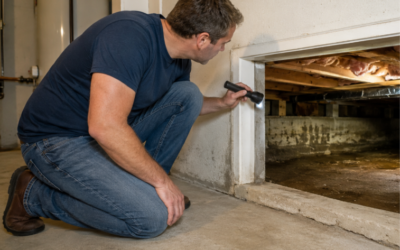
What Causes Crawl Space Mold, and How Is It Removed?
What happens beneath your floors can affect the rest of your home. Mold in your crawl space may develop after flooding, a hidden leak, persistent humidity, or another moisture-related event. Left unaddressed, it can affect wood and other building materials, influence...

Why You Can’t Always Tell When Your Indoor Air Quality Has Changed
It's easy to assume you would know if the air inside your home had changed. You might expect a musty odor, frequent sneezing, or another noticeable sign that something is wrong. Sometimes indoor air quality problems do present themselves that clearly. In other cases,...
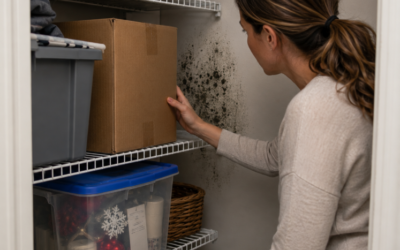
Places You Might Not Think to Check for Mold
When people discover mold in their home, it's often in a place they walk past every day without giving it much thought. That's part of what makes mold tricky. It doesn't take a major leak or an obvious water problem for mold to develop. A spot with limited airflow, a...
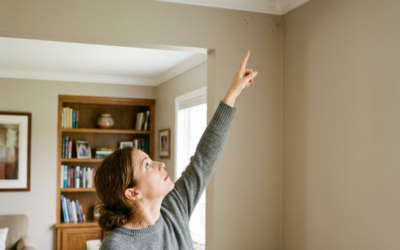
Could Your Home’s Structure Be Increasing Mold Risk?
A house is more than four walls and a roof. It's a system of materials, connections, and spaces that all interact with moisture differently, and certain structural characteristics can make mold more likely to take hold. Mold needs the right conditions to grow, and...
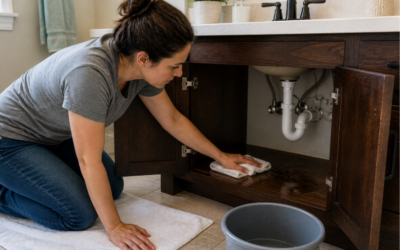
How Water Damage Can Lead to Hidden Problems in Your Home
Recovering from water damage can seem straightforward at first: You remove the water, dry the area, and move on. What is less obvious, however, is how moisture that remains within materials can continue to affect your home,...