
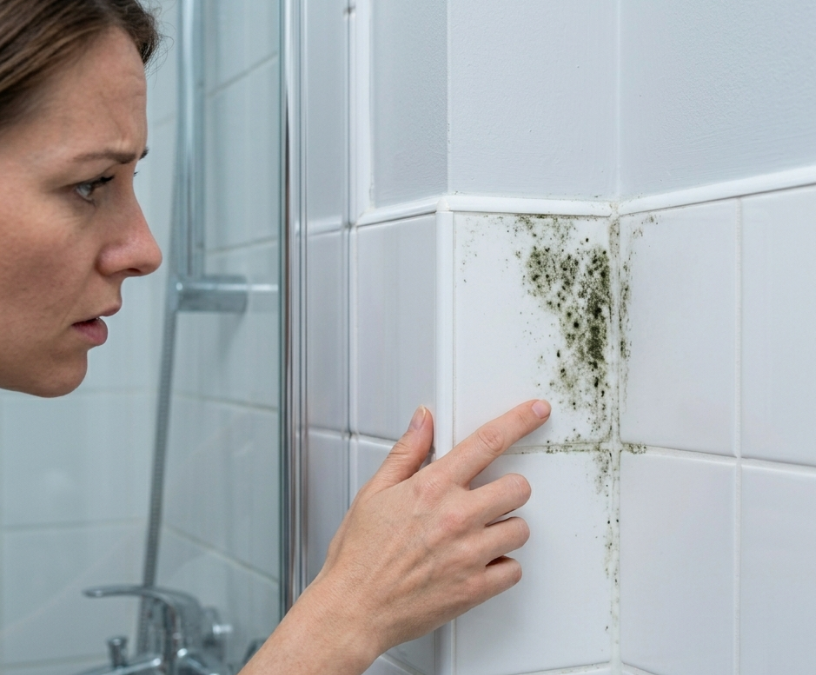
Mold does not grow everywhere equally. You can walk through a house and find one area with active growth while another room just a few feet away remains completely unaffected. The difference usually comes down to the conditions present in each space and whether they give mold what it needs to become established.
For mold to grow indoors, several factors must come together. Moisture is the most important, but humidity levels, airflow, temperature-related condensation, and repeated exposure to damp conditions all play a role. When enough of these elements overlap in one location, mold has a much better chance of taking hold. Understanding how these conditions develop can help homeowners determine when mold testing in Fairfield, CT, may be worth considering.
How Humidity Levels Affect Mold Risk
Moisture in the air is one of mold’s most important resources. Bathrooms, kitchens, laundry rooms, and other frequently used spaces can introduce significant amounts of humidity into a home. When that moisture is not removed efficiently, it can settle onto surfaces and remain there long enough to support mold growth. Even without a leak, consistently elevated humidity can create favorable conditions.
The Role of Airflow and Ventilation
Good airflow helps moisture evaporate. Poor airflow allows dampness to remain in place longer than it otherwise would. Areas behind furniture, crowded closets, and rooms that stay closed for long periods often experience less air circulation. Moisture that reaches these spaces may not dry as quickly, creating opportunities for mold to establish itself.
Why Temperature Differences Matter
Temperature changes can create condensation, which introduces moisture without any obvious water source. Windows, pipes, exterior walls, and HVAC components are common locations where condensation develops. When the same surfaces repeatedly collect moisture, nearby materials may remain damp more often than homeowners realize.
Surfaces Exposed to Repeated Moisture
Mold does not always need a major water event to become established. In many cases, it develops where small amounts of moisture return again and again. Bathroom ceilings exposed to daily steam, window sills that collect condensation throughout the winter, and areas around sinks that experience regular splashing all encounter moisture on a routine basis. Each individual exposure may seem insignificant, but repeated wetting can create conditions that become increasingly favorable for mold if surfaces do not have enough time to dry fully between occurrences.
Reduce the Conditions Mold Depends On
The conditions that support mold growth are often present long before mold becomes visible. Humidity, restricted airflow, condensation, and repeated moisture exposure can all contribute to an indoor environment where mold has an easier time becoming established.
Green Home Solutions provides professional mold inspections and testing to identify conditions that may be contributing to mold growth, along with remediation and removal services to address existing issues. If you have questions about moisture levels or potential mold activity in your home, mold testing in Fairfield, CT, can help identify problem areas before they become more significant.
Contact our team today to schedule a mold assessment.