
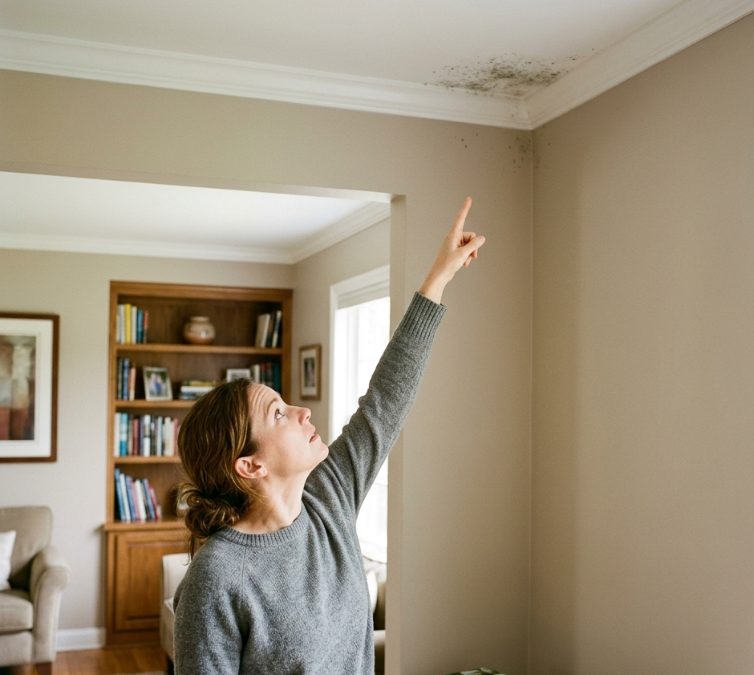
Every home has a history, and that history can reveal a lot about where future mold problems are most likely to develop. Areas that have experienced water intrusion, flooding, recurring condensation, or previous mold growth have already demonstrated a susceptibility to moisture that other parts of the home may not share.
Looking at those past events can help identify portions of a property that may deserve closer attention today. Water damage, flooding, recurring condensation, and earlier mold problems can all provide clues about where moisture has been an issue before and where it may be more likely to become an issue again. That context can help homeowners determine when mold testing in Montpelier, VT, may be appropriate.
Previous Water Damage
A water damage event does not always end when standing water is removed and visible repairs are completed. Moisture can reach areas that are difficult to inspect, including wall cavities, insulation, framing, and subfloor materials.
Even when cleanup is handled properly, some materials may remain more susceptible to future moisture exposure than they were beforehand. Areas that have experienced water damage in the past are often worth paying closer attention to because they have already been exposed to the conditions mold needs to grow.
Past Flooding Events
Flooding affects homes differently than most other moisture problems because of its scale. Instead of impacting a single location, floodwater often reaches multiple rooms, materials, and structural components simultaneously.
That broad exposure can make recovery more complicated. Flooring systems, insulation, wall materials, and stored belongings may all be affected. Even years later, a property’s flooding history remains relevant because it identifies areas that have previously experienced significant moisture exposure.
Recurring Condensation Problems
Not all moisture issues involve leaks or flooding. Some homes experience smaller moisture problems repeatedly in the same locations. Condensation on windows, pipes, walls, or other surfaces may seem insignificant when viewed as isolated incidents. However, repeated exposure can affect nearby materials over time.
A window that develops condensation every winter or a pipe that consistently accumulates moisture during seasonal weather changes may be exposing surrounding materials to damp conditions far more often than homeowners realize.
Patterns like these are important because they indicate that moisture is returning to the same area again and again.
Earlier Mold Problems
A previous mold issue can reveal a great deal about a home’s moisture history. Mold only develops when the right conditions are present, which means earlier growth often points to a past moisture problem somewhere within the property.
Even if remediation was successful, previous mold growth can help identify areas that deserve continued attention. If the original moisture source was not fully addressed, the conditions that supported mold may still exist. If the source was corrected, the history is still useful because it highlights parts of the home that have already proven vulnerable.
Use Your Home’s History to Evaluate Mold Risk
A home’s past can provide important clues about where future mold problems may develop. Previous water damage, flooding, recurring condensation, and earlier mold growth all help identify areas that may be more vulnerable to moisture than the rest of the property.
Green Home Solutions offers inspections and mold testing in Montpelier, VT, to help homeowners evaluate potential problem areas and determine whether mold may be present. If your home has experienced any of these issues in the past, schedule an inspection with our team to gain a better understanding of your property’s current condition and any risks that may still exist.