
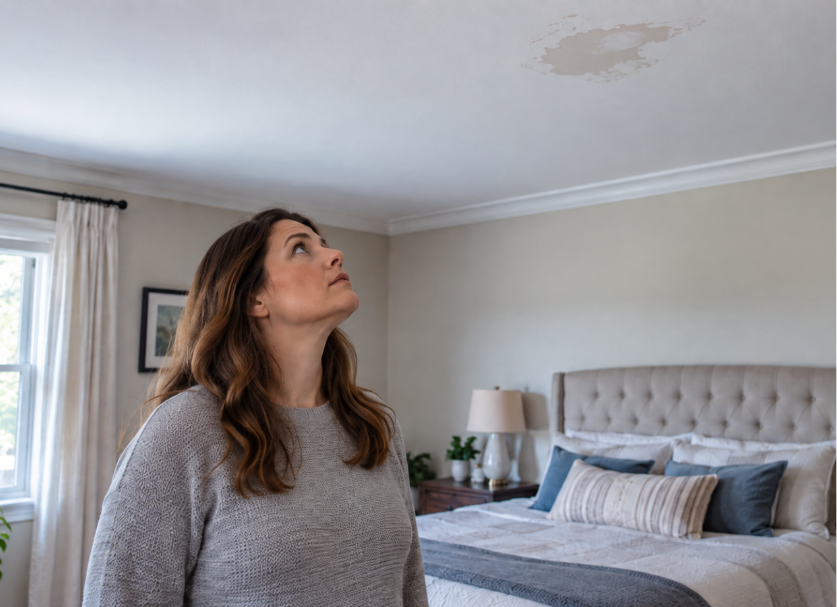
Hidden Mold Above Your Living Space Can Influence Indoor Air and Comfort
Attic mold often goes unnoticed, but its impact doesn’t stay confined to the upper level of your home. When moisture builds and mold begins spreading across rafters, insulation, or sheathing, the effects can move downward in ways many homeowners don’t expect. Understanding how attic mold develops, how it travels, and how attic mold removal in Montpelier, VT, works can help you stay ahead of issues that affect your indoor environment.
How Mold Develops in an Attic
Attics experience unique conditions that make mold more likely to form. Warm air from your living space rises, meeting cooler surfaces in your attic and creating condensation. Poor ventilation, roof leaks, and bathroom or kitchen fans venting into the attic can all increase moisture levels. When dampness lingers, mold can begin growing on wood, insulation, and other materials.
Because attics aren’t frequently inspected, early growth often goes unnoticed. Over time, moisture continues to accumulate, allowing mold to spread across structural components.
How Attic Mold Can Affect the Rest of Your Home
Even though your attic feels separate from your living space, the air inside it can influence the air you breathe every day. As warm air rises through your home, it can pull attic air downward through gaps around fixtures, openings, and ductwork. This movement can carry mold spores into bedrooms, hallways, and common areas.
Signs that attic mold may be affecting your home include:
- Musty odors that seem stronger on upper floors
- Increased allergy or respiratory symptoms
- Higher humidity or inconsistent indoor comfort
- Discoloration or staining on ceilings
When mold is active above your living space, spores can travel easily, affecting indoor air long before visible signs appear.
Risks Associated with Attic Mold
Mold in your attic can affect both your home’s structure and your indoor air. As mold spreads, it can weaken wood, damage insulation, and contribute to energy inefficiency. Spores released into the air can worsen allergy or asthma symptoms, especially for individuals sensitive to mold.
These issues can escalate when attic mold is left untreated. Delayed action allows growth to expand across rafters and sheathing, increasing the likelihood that spores will enter your living space.
How Attic Mold Can Be Addressed
Professional attic mold removal begins with a thorough inspection to determine how far mold has spread and what moisture conditions are present. Specialists evaluate ventilation, insulation, roof integrity, and humidity levels to identify the source of the problem.
Treatment of attic mold typically includes:
- Inspecting the attic and identifying moisture problems
- Containing the affected area
- Removing mold from affected materials
- Repairing or replacing damaged materials when needed
- Correcting leaks, ventilation, or other moisture sources
- Verifying that the treatment was successful when appropriate
Together, these steps address the mold and the conditions that allowed it to grow.
Protecting Your Home From Mold Starts at the Top
Mold in your attic can influence your home’s air and comfort long before you notice visible signs. Professional attic mold removal in Montpelier, VT, helps protect your living environment by addressing both the mold itself and the moisture conditions that allowed it to develop.
Green Home Solutions can provide a detailed attic inspection, explain what’s happening above your living space, and recommend solutions tailored to your home. Contact us today to take a confident step toward a healthier indoor environment!