
Mold is one of the most common indoor air quality problems homeowners face, yet it is also one of the most misunderstood. Many people assume all mold is the same, but in reality, there are various types of mold in homes that behave differently, grow in different environments, and may indicate different levels of moisture damage.
Understanding these differences can help you recognize early warning signs of a larger issue and take the right steps before the problem spreads. More importantly, it can help you determine when professional support is needed from experts like Green Home Solutions, who specialize in identifying and addressing mold at its source.
If you suspect mold in your home, professional support may involve both mold testing and inspection to identify the presence and type of mold and professional mold remediation services to safely remove it and help prevent it from returning.
Summary
Different household molds behave differently and can signal the severity and duration of moisture problems, hidden growth, and potential impacts on indoor air quality. Common indoor molds—Aspergillus, Cladosporium, Penicillium, and Stachybotrys, often thrive in damp, condensation-prone, or hidden areas like HVAC systems, behind walls, and under flooring. Because visual identification is unreliable and surface cleaning rarely fixes root moisture issues, look for signs such as musty odors, allergy-like symptoms, past leaks, and high humidity. Prompt professional testing/inspection and remediation help identify what’s present, locate sources, and prevent regrowth, services available from Green Home Solutions.
Why Do Different Types of Mold Matter?
While all indoor mold growth should be taken seriously, different types of mold can provide valuable insight into what is happening in your home. They can indicate the severity of moisture problems, how long an issue may have been developing, whether mold is likely hidden behind surfaces, and the potential impact on indoor air quality.
However, mold cannot always be accurately identified by appearance alone. Many species look similar, and professional testing is often required to confirm exactly what is present.
Even so, understanding common household mold helps homeowners recognize risk patterns early and respond appropriately.
Common Types of Mold Found in Homes
Below are some of the most common types of mold found in homes (sometimes referred to as mold in house types).
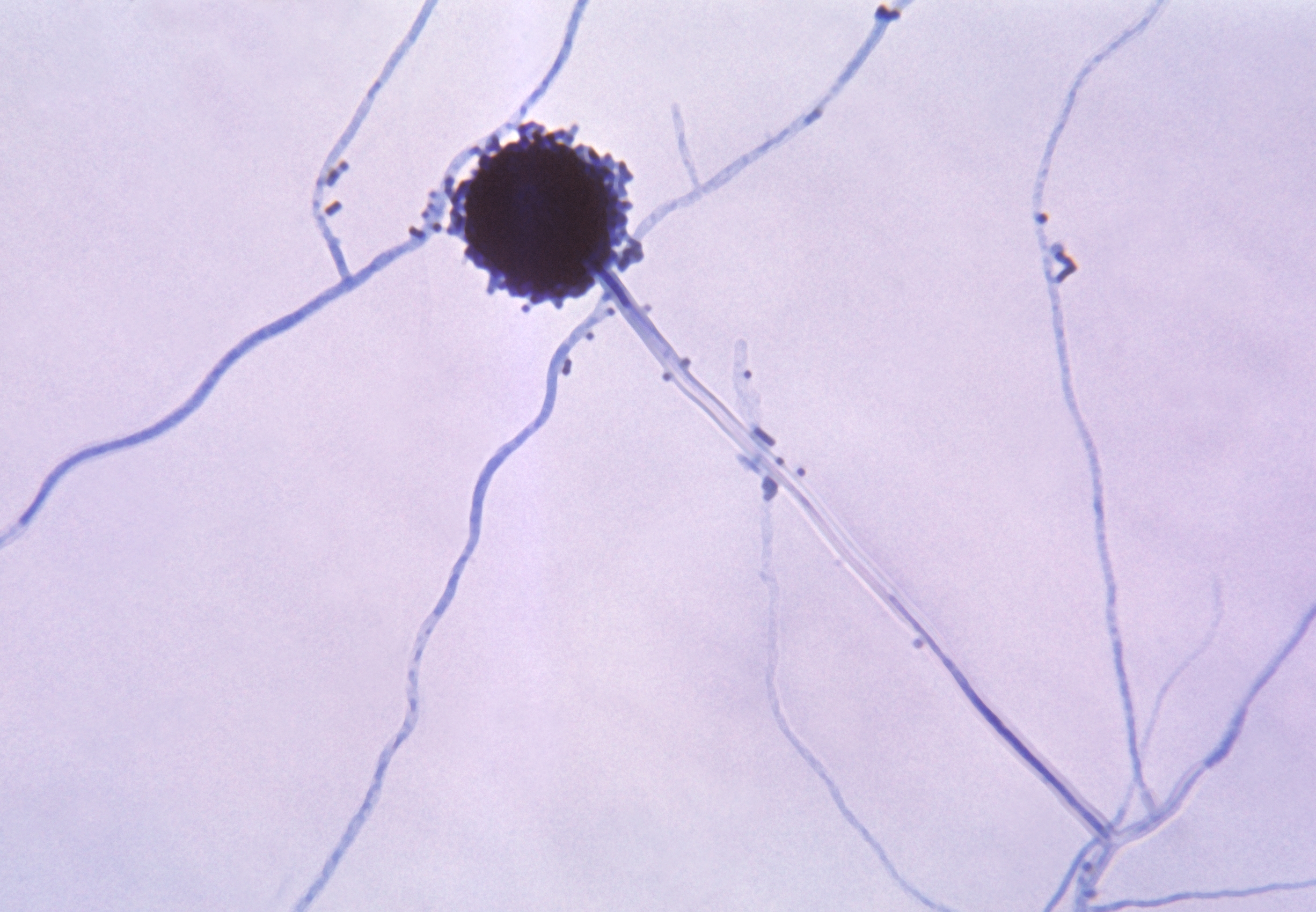
Aspergillus
Aspergillus is one of the most common indoor molds. It is frequently found in dust, HVAC systems, insulation, and damp building materials.
It can grow in a wide range of environments and spreads easily through airborne spores. While some species are relatively harmless, others may contribute to allergies, asthma symptoms, and respiratory irritation.
Because Aspergillus often develops in hidden areas such as ductwork or behind walls, homeowners may not realize it is present until odors or health symptoms appear.
Cladosporium
Cladosporium is a widespread household mold that can grow in both warm and cool environments. It is commonly found on window frames, bathroom surfaces, fabrics, carpets, and HVAC systems.
It thrives in areas where condensation frequently occurs, such as bathrooms and basements. Cladosporium typically appears as dark green, brown, or black patches with a powdery texture.
While generally considered less hazardous than some other molds, it can still trigger allergic reactions and is often a sign of ongoing moisture issues within the home.

Penicillium
Penicillium is known for its rapid growth in water-damaged environments. It is often found on wallpaper, insulation, furniture, and carpets that have been exposed to moisture.
A key indicator of Penicillium is a persistent musty odor, even when visible mold growth is limited. It spreads quickly through airborne spores, especially in poorly ventilated spaces.
Its presence often signals that a water intrusion issue has occurred and may still be active.

Stachybotrys (Black Mold)
Stachybotrys, commonly referred to as black mold, is associated with prolonged moisture exposure. It typically grows on materials such as drywall, wood, and insulation after leaks, flooding, or chronic humidity.
It appears dark green or black and may have a slimy texture when wet.
While not all dark-colored mold is Stachybotrys, its presence is often a strong indicator of serious water damage that should be addressed promptly.

Where Does Mold Commonly Hide in Homes?
One of the biggest challenges with mold is that it is often hidden from plain sight. Homeowners frequently discover it only after odors or health symptoms appear.
Common hidden areas include:
- Behind drywall or wallpaper
- Under carpets and flooring
- Inside HVAC systems and ductwork
- Around windows, attics, and basements
- Under sinks or behind appliances
These areas provide the ideal conditions for mold growth due to moisture, limited airflow, and organic building materials.
Signs You May Have a Mold Problem
Even if mold is not visible, your home may still be affected. Common signs of mold in home settings include persistent musty or earthy odors, ongoing allergy-like symptoms indoors, past or recurring water leaks, peeling paint or warped materials, and elevated indoor humidity or condensation issues.
If these symptoms persist, it may indicate hidden mold growth that requires further investigation.
Read our in-depth article on ‘Signs of Mold in Your Home’ here: https://www.greenhomesolutions.com/learning-center/signs-of-mold-in-your-home/
Why DIY Mold Identification Has Limitations
While it can be helpful to understand basic mold characteristics, visual identification alone is not reliable. Many mold types look similar without laboratory testing, and surface cleaning does not address deeper contamination.
In many cases, visible mold represents only part of a larger hidden issue. The root cause is usually excess moisture, which must be identified and corrected to prevent regrowth.
This is why professional evaluation is often recommended, especially when mold returns after cleaning or spreads across multiple areas.
Professional mold testing and inspection can confirm the presence and type of mold while also identifying airborne spores that may not be visible.
When Mold Becomes More Than a Surface Problem
Mold issues rarely stay confined to what you can see. In many homes, visible growth is only a small part of a larger moisture problem happening behind walls, under flooring, or inside HVAC systems. By the time mold becomes noticeable, it often indicates that conditions have already been active for some time.
This is why quick identification and proper assessment matter. Without addressing the underlying moisture source, mold is likely to return, even after cleaning or temporary treatment.
Professional evaluation helps determine not just what type of mold is present, but also where it is coming from and how far it has spread. Services like mold testing can confirm airborne spores and hidden contamination, while remediation focuses on removing the problem at its source and helping prevent regrowth.
You can learn more here:
- https://www.greenhomesolutions.com/our-services/mold-testing/
- https://www.greenhomesolutions.com/our-services/mold-remediation-and-removal/
Take the Next Step Toward a Healthier Home
If you suspect mold in your home, whether from odors, visible growth, or ongoing symptoms, waiting can allow the problem to worsen over time. Early action can help limit damage and improve indoor air quality more effectively.
Schedule a professional mold assessment with Green Home Solutions to get clear answers about what is happening in your home.
Call 1-800-SOLUTIONS to speak with a local expert and book your inspection today.
Q&A
Question: Why do different types of mold matter?
Short answer: Different molds can signal how severe and long‑running a moisture problem is, where growth may be hiding, and potential impacts on indoor air quality. For example, Aspergillus often develops in hidden areas like HVAC systems; Cladosporium thrives where condensation occurs; Penicillium points to water-damaged materials; and Stachybotrys (black mold) is linked to prolonged moisture on drywall, wood, or insulation. Because many molds look alike, visual ID isn’t reliable—professional testing is often needed to confirm what’s present and guide the right response.
Question: Where does mold commonly hide in homes, and why?
Short answer: Mold frequently grows out of sight in places with moisture, limited airflow, and organic materials. Common locations include behind drywall or wallpaper, under carpets and flooring, inside HVAC systems and ductwork, around windows, in attics and basements, and under sinks or behind appliances. These areas create ideal conditions for spores to settle and spread before visible signs appear.
Question: What are the early signs I might have a mold problem even if I can’t see it?
Short answer: Watch for persistent musty or earthy odors, allergy-like symptoms that worsen indoors, a history of leaks or flooding, peeling paint or warped materials, and elevated humidity or frequent condensation. Ongoing signs often indicate hidden growth that warrants further investigation.
Question: Is all black mold Stachybotrys? Can I identify mold by sight?
Short answer: No. Not all dark-colored mold is Stachybotrys, and appearance alone can’t confirm the type. Stachybotrys typically appears dark green to black and may feel slimy when wet, but many species look similar. Lab-based testing is a reliable way to identify mold types and assess airborne spores that aren’t visible.
Question: When should I call a professional, and what will they do?
Short answer: If odors persist, symptoms continue, mold returns after cleaning, or you’ve had leaks, flooding, or growth across multiple areas, seek a professional assessment. Experts like Green Home Solutions provide mold testing and inspection to confirm what’s present and locate sources (including hidden and airborne contamination), then perform remediation to remove growth at its source and help prevent regrowth by addressing underlying moisture.
Question: What is the pink stuff in my shower?
Short answer: The pink or reddish film you sometimes see in showers, around drains, or on tile grout is commonly mistaken for mold, but it is usually not mold at all. In most cases, it is caused by a type of bacteria called Serratia marcescens.
This bacterium thrives in warm, damp environments like bathrooms, especially where there is regular moisture buildup and soap residue. The pink coloration comes from a natural pigment produced by the bacteria as they grow.
While it is often referred to as “pink mold,” it is technically a bacterial biofilm rather than a mold.