
Humidity Control and Wi-Fi Dehumidifier Solutions
Humidity Control and Wi-Fi Dehumidifier Solutions
Indoor humidity affects comfort, air quality, energy efficiency, and the condition of your home. Too much moisture can contribute to mold, musty odors, allergens, and structural damage. Air that is too dry can lead to respiratory irritation, static electricity, and discomfort.
At Green Home Solutions , we help homeowners improve indoor air quality through humidity control systems, dehumidification solutions, and smart technology.
What Should Humidity Be in a Home?
For most homes, the ideal indoor humidity level is between 30 percent and 50 percent.
Recommended seasonal ranges include:
- Summer: 40 percent to 50 percent
- Winter: 30 percent to 40 percent
Maintaining balanced humidity helps:
- Improve indoor comfort
- Reduce mold risk
- Limit allergens
- Protect wood flooring and drywall
- Support better indoor air quality
Humidity above 50 percent may contribute to mold growth, condensation, and musty odors. Humidity below 30 percent can lead to dry skin, irritated sinuses, and cracked wood materials.
Up to
%
in the Summer
Up to
%
in the Winter
Signs of a Humidity Problem
Common signs of excess indoor humidity include:
- Musty odors
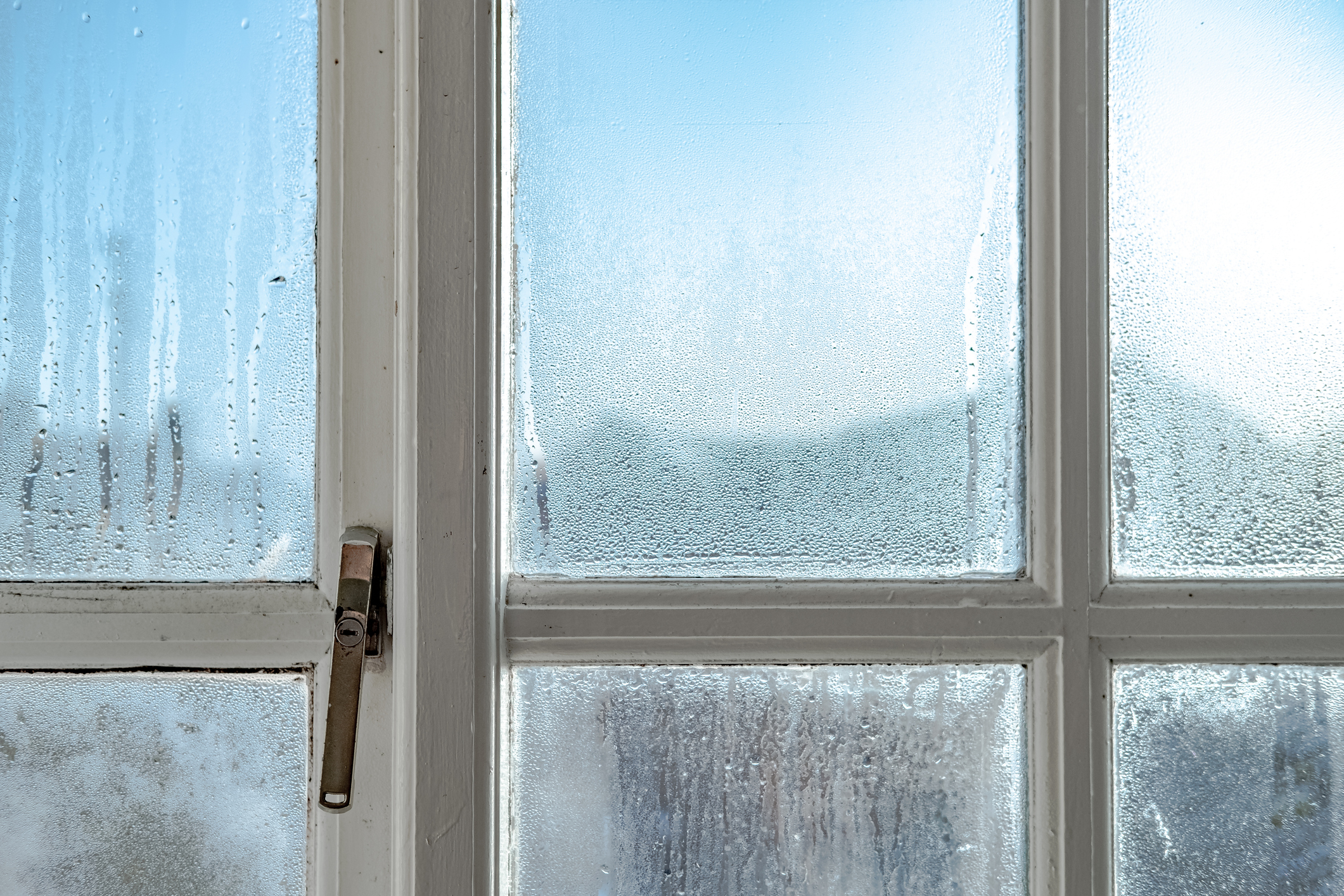
- Condensation on windows
- Sticky or clammy air
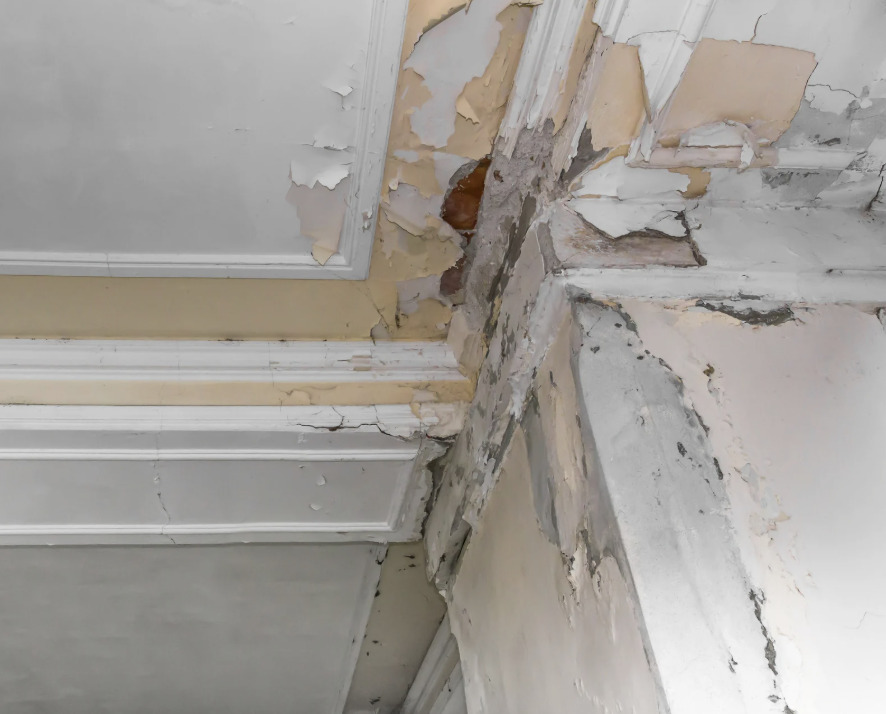
- Peeling paint or warped wood
- Increased allergy symptoms
- Damp basements or crawl spaces
- Visible mold or mildew
These issues often indicate excess moisture that should be addressed before larger problems develop.
Common Causes of High Indoor Humidity
Humidity problems are often caused by:
- Poor ventilation
- Plumbing leaks
- Foundation moisture
- Outdoor climate conditions
- HVAC inefficiency
- Every day household moisture from cooking, showers, and laundry
In many homes, multiple factors contribute to elevated humidity levels.
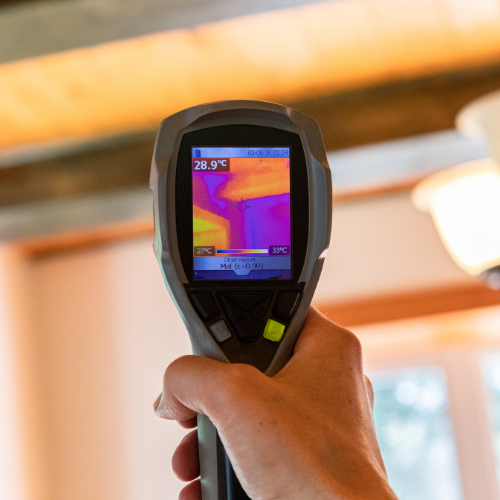
How is Indoor Humidity Measured?Professionals may use a hygrometer to measure indoor humidity.
For accurate readings, they may:
- Place devices in central living spaces
- Avoid windows and vents
- Monitor levels during seasonal weather changes
- Check basements and crawl spaces separately
Smart monitoring systems such as wifi-dehumudifiers can provide alerts and track humidity trends in real time.
How to Control Humidity in Your Home
Improve Ventilation
Reducing trapped moisture starts with better airflow.
Homeowners should:
- Use exhaust fans in kitchens and bathrooms
- Improve airflow in crawl spaces and attics
- Open windows when outdoor conditions allow
Address Moisture Sources
Long-term humidity control requires identifying and correcting the source of moisture.
This may include:
- Repairing leaks
- Improving drainage
- Sealing foundation cracks
- Correcting ventilation problems
Use Dehumidifiers
Dehumidifiers help remove excess moisture from indoor air.
Benefits include:
- Better comfort
- Reduced humidity
- Mold prevention support
- Fewer musty odors
- Improved indoor air quality
Portable wifi-enabled units work well for smaller spaces, while larger homes often benefit from integrated systems.
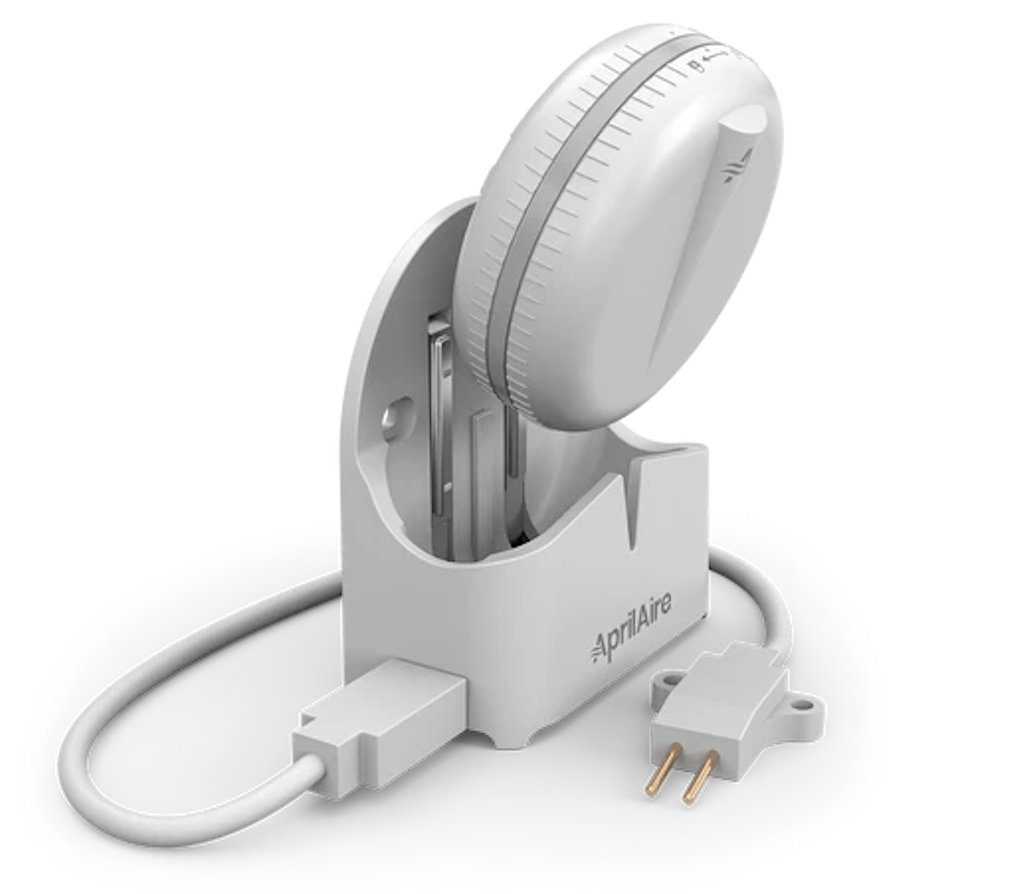
WiFi-Enabled Dehumidifiers
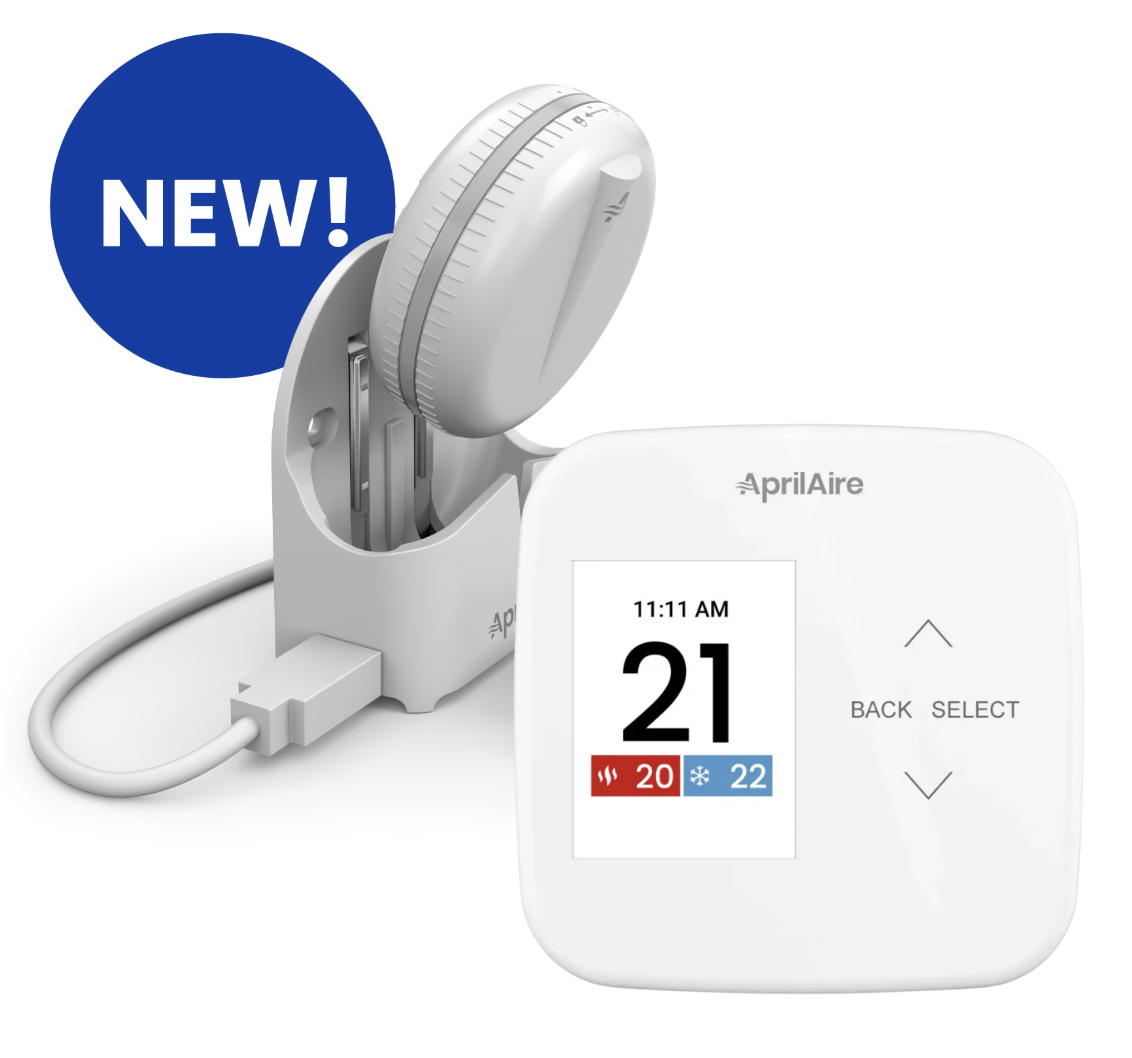
Modern humidity control systems offer smart technology features that improve convenience and long-term control.
WiFi-enabled dehumidifiers allow homeowners in your city to monitor and adjust humidity remotely.
Key features include:
- Real-time humidity monitoring
- Remote control through a mobile app
- Maintenance reminders
- Smart diagnostics
- Automated humidity adjustments
- Continuous humidity tracking
These systems are especially useful for:
- Basements
- Crawl spaces
- Vacation homes
- Homes with prior moisture issues
- Busy homeowners seeking automation
Smart humidity systems help homeowners identify changes early and maintain more consistent indoor conditions.
Whole-Home Humidity Control Systems
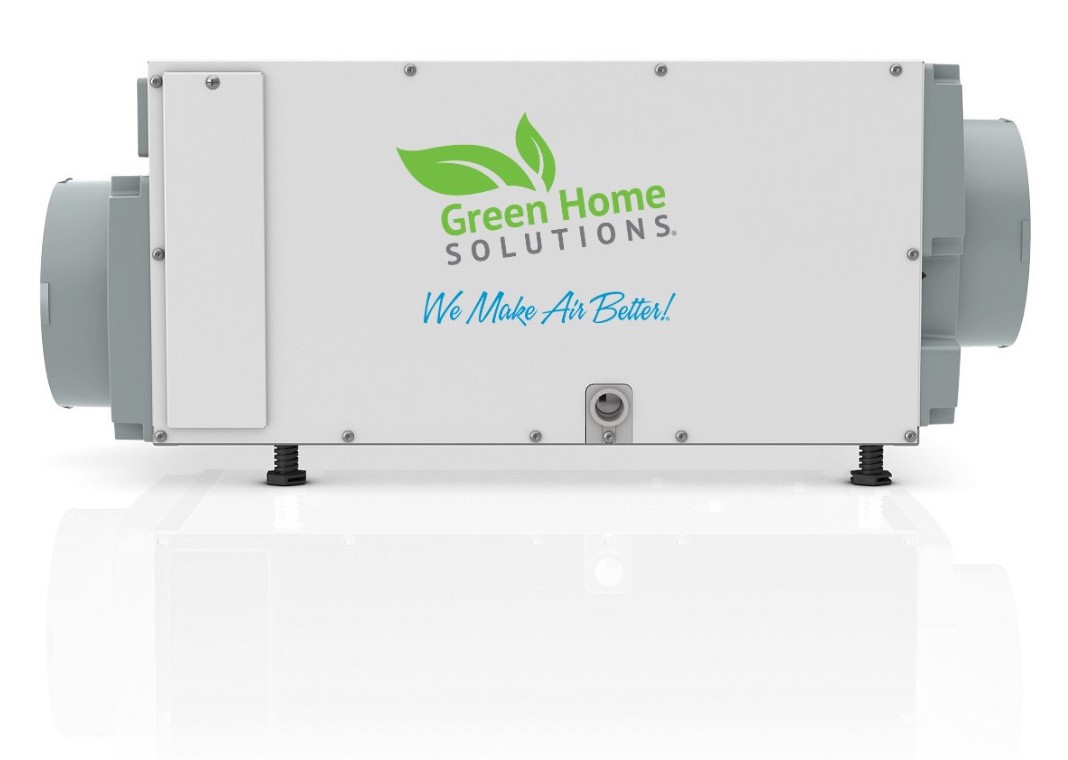
Whole-home humidity control systems integrate with HVAC systems to regulate moisture throughout the home.
Benefits include:
- Consistent humidity levels
- Whole-home coverage
- Better energy efficiency
- Reduced reliance on portable units
- Improved indoor comfort
These systems are ideal for homes with recurring humidity problems, basements, or crawl spaces.
Water Sensors and Leak Detection
Water sensors provide additional protection by detecting leaks or unexpected moisture early.
These sensors are commonly installed near:
- Water heaters
- Laundry rooms
- Basements
- HVAC systems
- Crawl spaces
Early detection helps reduce the risk of:
- Water damage
- Mold growth
- Structural deterioration

How Humidity Affects Energy Efficiency
High humidity makes indoor air feel warmer, causing HVAC systems to work harder.
Balanced humidity can help:
- Improve HVAC efficiency
- Reduce strain on cooling systems
- Support more stable temperatures
- Lower energy usage
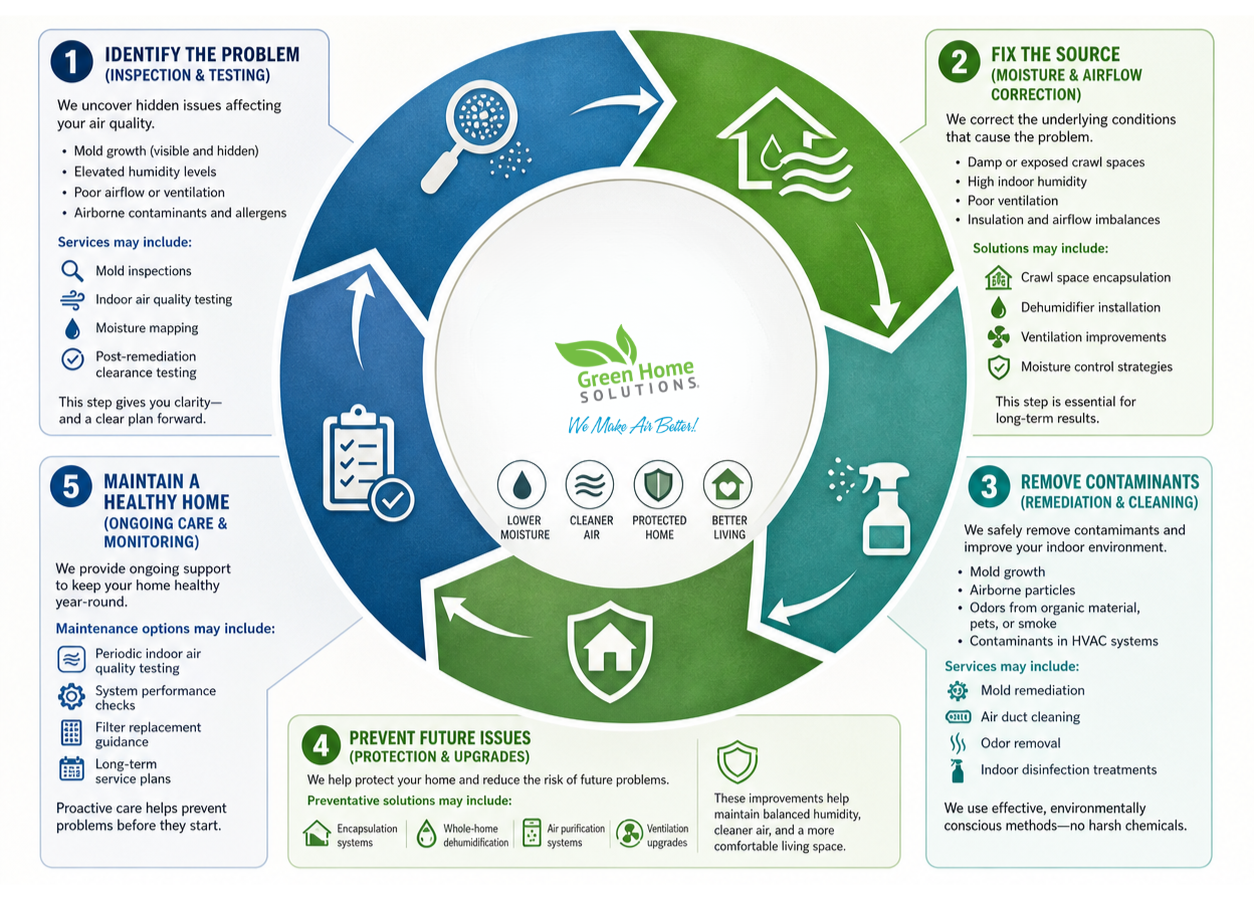
The Green Home Solutions Full-Cycle IAQ Approach
At Green Home Solutions , we use a full-cycle indoor air quality approach focused on identifying and correcting the root causes of moisture and air quality issues.
Our process may include:
- Indoor air quality assessments
- Moisture evaluations
- Humidity monitoring
- Dehumidification solutions
- Smart humidity technology
- Long-term air quality planning
Why Homeowners Choose Green Home Solutions
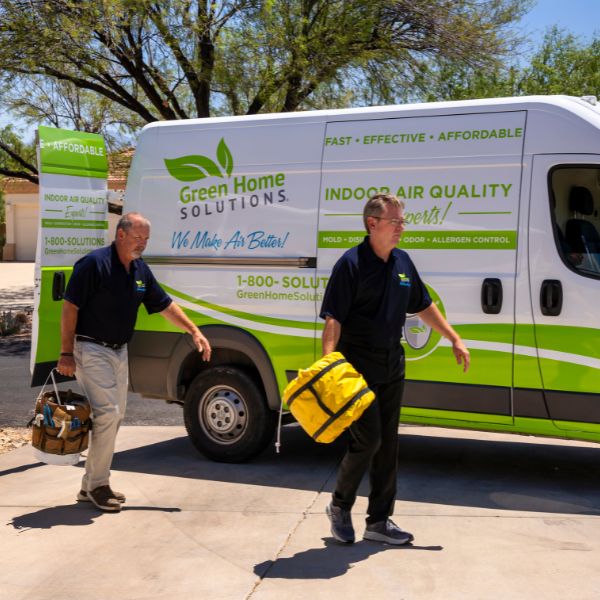
Homeowners choose Green Home Solutions for:
- Advanced humidity control systems
- WiFi-enabled dehumidifier technology
- Customized indoor air quality solutions
- Whole-home moisture management
- Long-term humidity control strategies
Every home has unique moisture challenges, which is why solutions are customized based on the property’s specific needs.
Frequently Asked Questions about Humidity and Dehumidification
Q: What is the ideal humidity level in a home?
A: Most homes should maintain indoor humidity levels between 30 percent and 50 percent. This range helps improve comfort, supports healthier indoor air quality, and reduces the risk of mold growth.
Q: Can high humidity cause mold?
A: Yes. Excess indoor humidity creates conditions that allow mold and mildew to grow, especially in basements, crawl spaces, bathrooms, and poorly ventilated areas.
Q: Are WiFi dehumidifiers worth it?
A: WiFi-enabled dehumidifiers allow homeowners to monitor and control humidity remotely through a mobile app. They also provide maintenance alerts, real-time monitoring, and improved long-term humidity management.
Q: How do I know if my home has a humidity problem?
A: Common signs include musty odors, condensation on windows, sticky indoor air, damp areas, increased allergy symptoms, and visible mold or mildew.
Q: Should I use a dehumidifier year-round?
A: Many homes benefit from year-round humidity control, especially basements, crawl spaces, and homes located in humid climates or areas with seasonal moisture changes.
Q: How does Green Home Solutions help with humidity control?
A: Green Home Solutions provides professional indoor air quality assessments, humidity monitoring, dehumidifier solutions, and whole-home moisture control strategies. Our team helps identify hidden moisture sources and recommends customized solutions designed to improve comfort, reduce mold risk, and support healthier indoor air quality.
Schedule Your Indoor Air Quality Assessment
Don’t wait to take action! At the first sign of a mold infestation, you should enlist the help of Green Home Solutions for mold removal services in your city that eradicate mold at the source and reduce the chances of it coming back. Call us at 1-800-SOLUTIONS today to learn more or request a quote for service.