
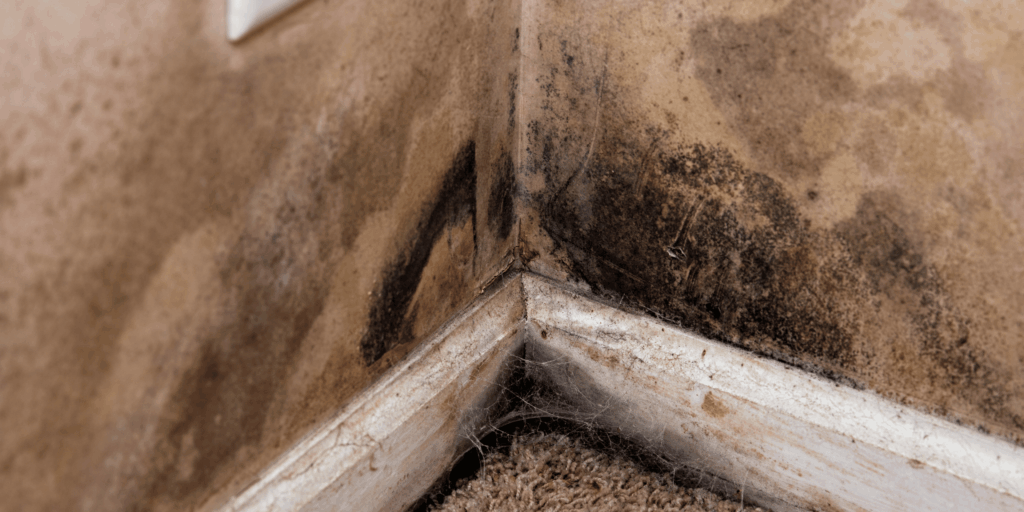
When most people think about summer, they picture vacations, backyard barbecues, and long sunny days. What many homeowners don’t realize is that summer is also one of the busiest seasons for mold growth. Rising temperatures, higher humidity levels, frequent thunderstorms, and increased use of air conditioning all create conditions that allow mold to thrive. If you’ve noticed a musty odor, increased humidity, or unexplained allergy symptoms during the warmer months, you may be wondering: Is black mold more common in the summer?
The answer is that black mold isn’t necessarily created by summer, but the conditions summer brings make it much easier for mold to grow and spread. Moisture is the driving force behind mold growth, and summer often provides an abundance of it. Homes with hidden leaks, poor ventilation, high indoor humidity, or damp crawl spaces become ideal environments for mold to flourish. Because mold often develops behind walls, beneath flooring, or inside HVAC systems, many homeowners don’t discover a problem until it has already spread.
At Green Home Solutions, we help homeowners identify hidden moisture issues through professional mold testing, improve indoor air quality, and provide science-backed mold remediation and removal solutions that address the source of the problem—not just the visible mold.
Why Summer Creates Ideal Conditions for Mold Growth
Mold spores are naturally present in the environment throughout the year. They become a problem when they find enough moisture to begin growing indoors. Summer creates several conditions that increase that risk.
Humidity is one of the biggest contributors. When indoor humidity rises above about 60%, moisture begins collecting on surfaces throughout the home. Drywall, wood framing, insulation, carpet backing, and ceiling tiles can all absorb this excess moisture, creating an environment where mold can begin growing in as little as 24 to 48 hours. Even if you don’t see standing water, consistently high humidity can be enough to support mold growth.
Summer thunderstorms also contribute significantly. Heavy rains can expose roof leaks, foundation cracks, window leaks, or plumbing issues that may have gone unnoticed during drier months. Water intrusion often occurs inside walls or beneath flooring where homeowners can’t see it, allowing mold to develop unnoticed.
Air conditioning can also play a surprising role. While HVAC systems help remove humidity from the air, poorly maintained systems can actually introduce moisture problems. Clogged condensate drain lines, dirty evaporator coils, or excessive condensation inside ductwork may create damp areas where mold can grow. If you’ve ever noticed a musty smell when your air conditioner turns on, it may be a sign that mold is developing somewhere within the system.
Poor ventilation adds another layer of risk. Bathrooms, laundry rooms, kitchens, and even closets can trap humid air during the summer months. Without proper airflow, moisture lingers on surfaces and creates favorable conditions for mold growth.
Is Black Mold Different From Other Types of Mold?
The phrase “black mold” is commonly used to describe Stachybotrys chartarum, a mold species that can appear dark green or black. However, many different types of mold are dark in color, making it impossible to identify mold simply by looking at it.
Rather than focusing on color, homeowners should be concerned with any mold growth they discover. Visible mold of any kind indicates excess moisture somewhere in the home. The underlying moisture issue is usually a much larger concern than the color of the mold itself.
Professional mold testing can help identify what type of mold is present, determine the extent of contamination, and guide the most appropriate remediation strategy. Testing is especially valuable when mold is suspected but not visible, as airborne mold spores often indicate hidden growth behind walls or inside HVAC systems.
Where Mold Commonly Hides During the Summer
One of the biggest misconceptions about mold is that it only grows where you can see it. In reality, many mold problems remain hidden for months or even years before homeowners notice visible signs.
Bathrooms are one of the most common locations because warm showers create constant moisture. Without adequate exhaust ventilation, humidity settles on ceilings, drywall, and caulking where mold can begin to develop.
Basements also experience increased moisture during the summer. Warm outdoor air entering cool basement spaces often creates condensation on concrete walls, pipes, and flooring. Combined with naturally higher humidity levels, basements frequently become hidden mold hotspots.
Crawl spaces are another area homeowners rarely inspect. Ground moisture, humid outdoor air, and poor ventilation create ideal conditions for mold growth beneath the home. Over time, moisture from crawl spaces can even affect indoor air quality throughout the rest of the house as air naturally rises into living spaces.
Attics are equally vulnerable. Roof leaks, insufficient ventilation, and trapped heat can create damp conditions that support mold growth on roof decking and insulation.
Even your HVAC system can harbor mold if moisture accumulates around coils or within ductwork. Because conditioned air circulates throughout the home, mold inside an HVAC system can affect indoor air quality in every room.
How Mold Affects Indoor Air Quality
Mold is more than just an issue affecting building materials. As mold grows, it releases microscopic spores into the air. These spores circulate through your home’s HVAC system and become part of the air your family breathes every day.
For some individuals, mold exposure may contribute to allergy-like symptoms, including sneezing, coughing, congestion, itchy eyes, headaches, or respiratory irritation. Others may simply notice persistent musty odors that never seem to go away, even after cleaning.
Because many indoor air quality concerns stem from hidden moisture issues, Green Home Solutions takes a comprehensive approach. Rather than focusing only on visible mold, we evaluate the entire indoor environment to identify moisture sources, airborne contaminants, and opportunities to improve the overall health of your home.
Professional air quality testing can help determine whether elevated mold spores or other airborne pollutants are affecting your indoor environment, especially when homeowners experience symptoms without obvious visible mold.
Why DIY Mold Removal Often Falls Short
It’s understandable that many homeowners reach for bleach when they discover mold. Unfortunately, bleach rarely solves the underlying problem, particularly when mold has penetrated porous materials like drywall, wood, or insulation.
Surface cleaning may temporarily remove visible staining while leaving hidden mold colonies untouched. If the moisture source isn’t corrected, mold often returns within weeks or months.
Professional mold remediation focuses on identifying the cause of the moisture problem first. Once the source is addressed, contaminated materials can be treated or removed appropriately while minimizing the spread of mold spores to unaffected areas of the home. It is not advised to DIY your own mold removal. Treating it with bleach can be particularly harmful.
Preventing Mold During the Summer
Preventing mold begins with controlling moisture. Maintaining indoor humidity between 30% and 50% significantly reduces the likelihood of mold growth. In many climates, this may require a professionally installed dehumidification system that continuously manages moisture levels throughout the home.
Regular HVAC maintenance is equally important. Cleaning condensate drain lines, replacing filters, and ensuring proper airflow all help reduce excess moisture inside the system.
Homeowners should also inspect roofs, windows, plumbing fixtures, and foundations after heavy summer storms to catch leaks early. Even small water intrusions can lead to significant mold growth if left untreated.
If your home includes a crawl space, investing in crawl space encapsulation can dramatically reduce ground moisture and improve overall indoor air quality. Pairing moisture control with whole-house air purification provides another layer of protection by helping reduce airborne contaminants throughout the home.
The most important step is acting quickly. Any water damage should be dried and addressed within 24 to 48 hours whenever possible to minimize the risk of mold growth.
How Green Home Solutions Can Help
Whether you’ve noticed a persistent musty odor, experienced recent water damage, or simply want peace of mind about your home’s indoor environment, Green Home Solutions offers science-backed solutions designed to improve indoor air quality and address mold at its source.
Our services include mold testing, mold remediation, air quality testing, dehumidification, crawl space encapsulation, whole-house air purification, and indoor odor removal. Through our comprehensive Full-Cycle IAQ approach, we evaluate your home’s entire indoor environment to identify hidden moisture issues and recommend long-term solutions that help prevent mold from returning.
Summer is the perfect time to take a proactive approach to your home’s indoor air quality. Addressing moisture problems early can help protect both your home and the people living in it.
If you suspect mold or want to improve your home’s indoor air quality, schedule a professional assessment with Green Home Solutions today. Visit GreenHomeSolutions.com to find your nearest location or call 1-800-SOLUTIONS to book an appointment.
Frequently Asked Questions
Is black mold more common during the summer?
Summer doesn’t create black mold, but warm temperatures and higher humidity create ideal conditions for mold growth. If excess moisture is present, mold can spread much more quickly during the summer months.
How quickly can mold grow after water damage?
Under the right conditions, mold can begin growing within 24 to 48 hours after water intrusion. Prompt drying and moisture control are critical to preventing larger mold problems.
Can high humidity alone cause mold?
Yes. Consistently high indoor humidity can provide enough moisture for mold to grow even without flooding or major leaks, especially on porous building materials.
How do I know if mold is hiding behind my walls?
Persistent musty odors, unexplained allergy symptoms, recent water damage, or elevated results from professional mold testing may indicate hidden mold growth behind walls or beneath flooring.
Does bleach kill black mold?
Bleach may remove surface staining on non-porous materials, but it generally does not eliminate mold growing inside porous materials such as drywall or wood. Professional mold remediation addresses both the mold and the underlying moisture source.
What humidity level helps prevent mold?
Maintaining indoor humidity between 30% and 50% is generally recommended to discourage mold growth and improve indoor air quality.
Should I have my indoor air tested if I smell mold?
Yes. Professional air quality testing can detect elevated mold spores and other airborne contaminants, helping identify hidden mold problems that may not be visible.
Can mold come back after remediation?
If the underlying moisture issue is not corrected, mold can return. That’s why Green Home Solutions focuses on identifying and resolving the source of the moisture while improving your home’s overall indoor air quality to help prevent future growth.