
Mold Toxicity Symptoms
Understanding the Signs of Indoor Mold ExposureIf you’ve been experiencing ongoing congestion, headaches, fatigue, or other unexplained symptoms, your home’s indoor environment may be worth evaluating. While mold affects everyone differently, prolonged exposure to mold spores in a moisture-damaged home can contribute to a variety of symptoms, particularly for sensitive individuals.
Hidden mold often grows behind walls, inside crawl spaces, beneath flooring, around HVAC systems, or in other areas where moisture accumulates. Because it isn’t always visible, many homeowners don’t realize there is a problem until symptoms persist or a musty odor develops.
Warning Signs of Mold Toxicity
Symptoms associated with indoor mold exposure can vary from person to person, but commonly reported concerns include:
- Persistent congestion or sneezing
- Chronic cough or throat irritation
- Brain fog or difficulty concentrating
- Ongoing fatigue
- Frequent headaches or sinus pressure
- Watery or irritated eyes
- Skin irritation or rashes
- Symptoms that worsen in certain rooms
- Feeling better after leaving the home
- Musty odors throughout the house
Because these symptoms often resemble seasonal allergies or common illnesses, homeowners may not immediately consider that their indoor air quality could be contributing to the problem.
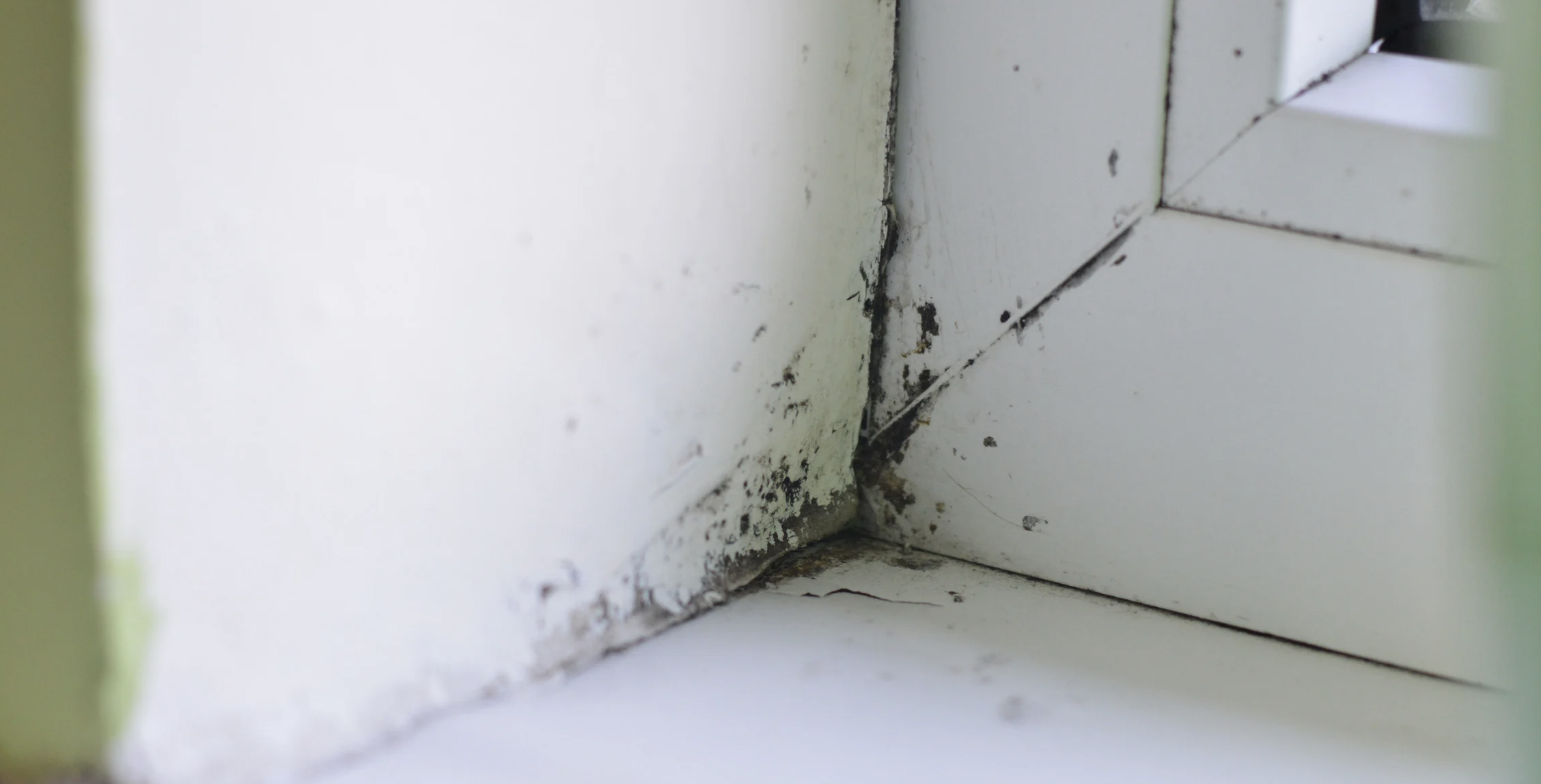
What Causes Mold Growth?
Mold requires moisture to grow. Common sources of excess moisture include:
- Plumbing or roof leaks
- Crawl space moisture
- Poor attic ventilation
- HVAC condensation
- High indoor humidity
- Flooding or previous water damage
- Foundation moisture intrusion
- Bathroom humidity
Even clean, well-maintained homes can develop mold if moisture problems are left unresolved.
Hidden Mold Is More Common Than You Think
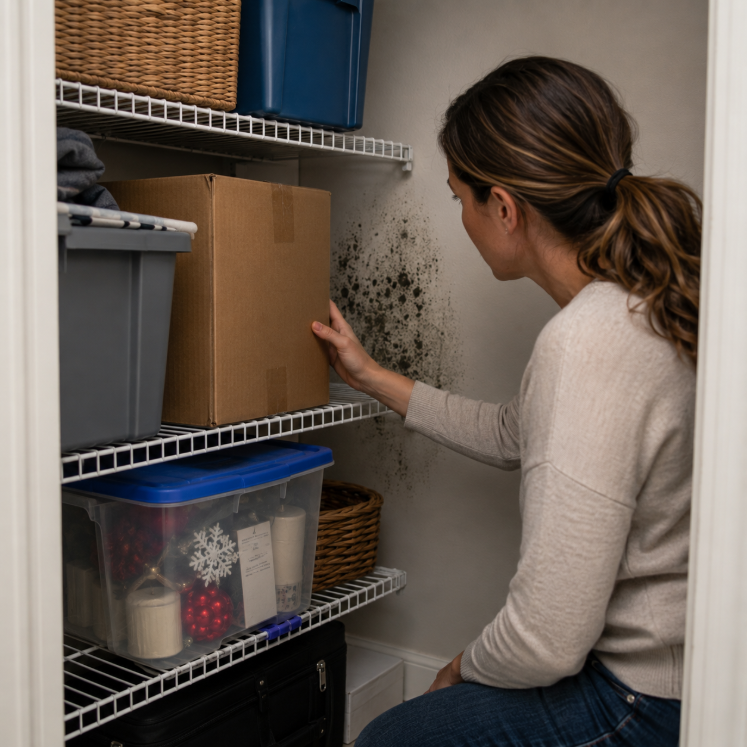
Visible mold is only one part of the picture. Mold frequently develops in concealed areas, including:
- Behind drywall
- Inside insulation
- Under flooring
- Inside crawl spaces
- Attics
- Around windows and doors
- HVAC systems and ductwork
A persistent musty smell or worsening symptoms indoors may be signs of mold in your home, even if nothing is visible.

Mold Exposure vs. Seasonal Allergies
Many mold toxicity symptoms overlap with seasonal allergies, making them difficult to distinguish. One difference is that allergy symptoms typically follow pollen seasons, while symptoms related to indoor mold often persist year-round or become noticeably worse inside the home.
If you consistently feel better after leaving your home or notice symptoms are strongest in certain rooms, it may be time to investigate your indoor environment.
How Can Mold Testing Help?
Professional mold testing and indoor air quality evaluations can help identify environmental issues that aren’t visible during a routine inspection. Testing may reveal:
- Elevated airborne mold spores
- Hidden moisture
- Humidity imbalances
- Ventilation concerns
- Airflow issues
- Areas requiring remediation
Understanding the source of the problem is an important first step before developing a remediation plan.
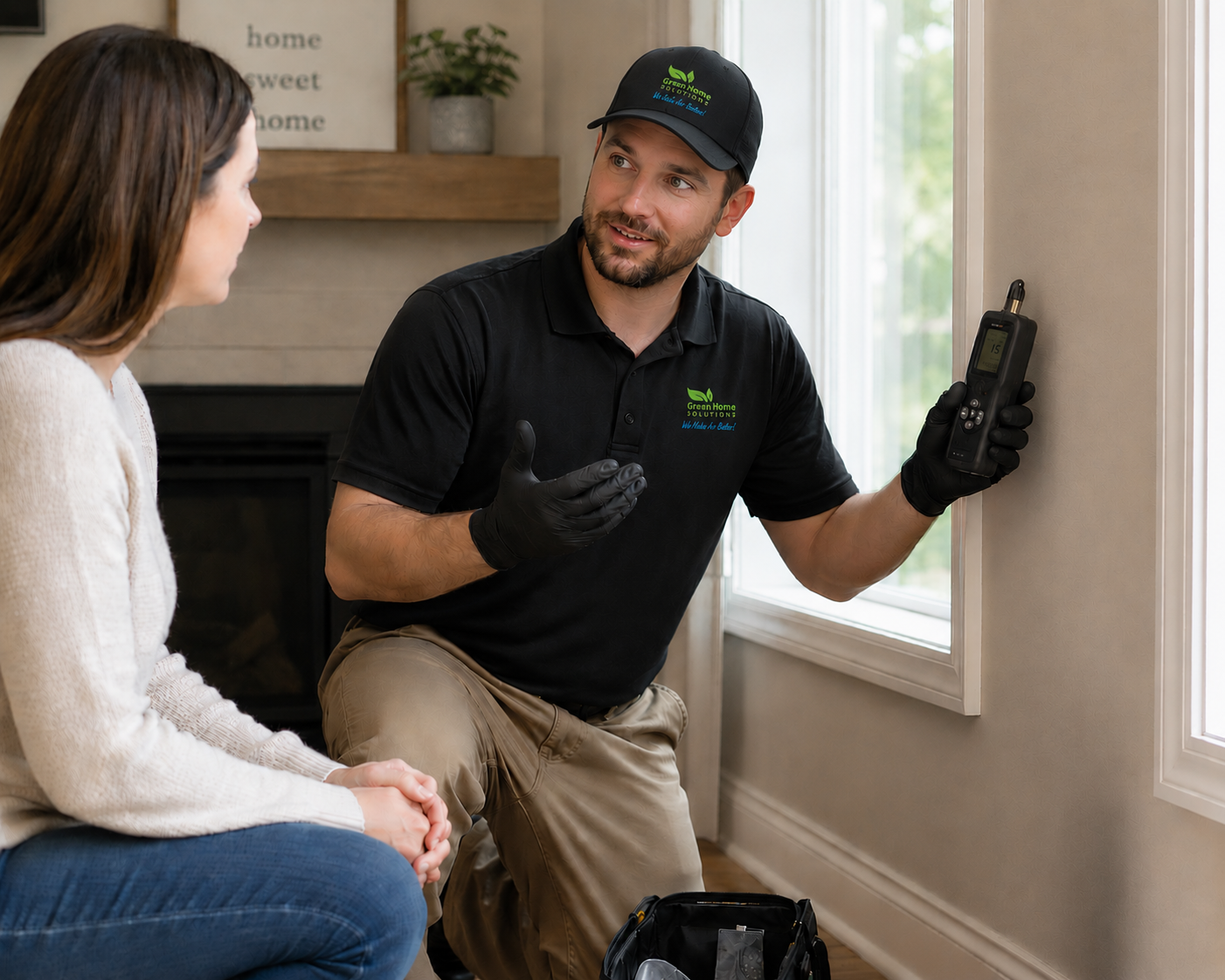

A Holistic Approach to Indoor Air Quality
Simply removing visible mold may not solve the underlying issue. Long-term results require identifying and correcting the moisture conditions that allowed mold to grow in the first place.
Green Home Solutions offers Full-Cycle Indoor Air Quality Services that may include:
- Mold inspections
- Indoor air quality testing
- Moisture evaluations
- Mold remediation
- Crawl space solutions
- Humidity management
- Prevention strategies to reduce future mold growth
By addressing the entire indoor environment, homeowners can improve indoor air quality and help prevent recurring mold issues.
When Should You Schedule an Evaluation?
Consider scheduling an indoor air quality assessment if you:
- Notice persistent musty odors
- Experience recurring mold growth
- Have unexplained allergy-like symptoms indoors
- Recently experienced water damage or flooding
- Struggle with high humidity or condensation
- Suspect hidden mold in your home
A professional evaluation can help determine whether moisture or mold is contributing to your indoor air quality concerns and identify the appropriate next steps.
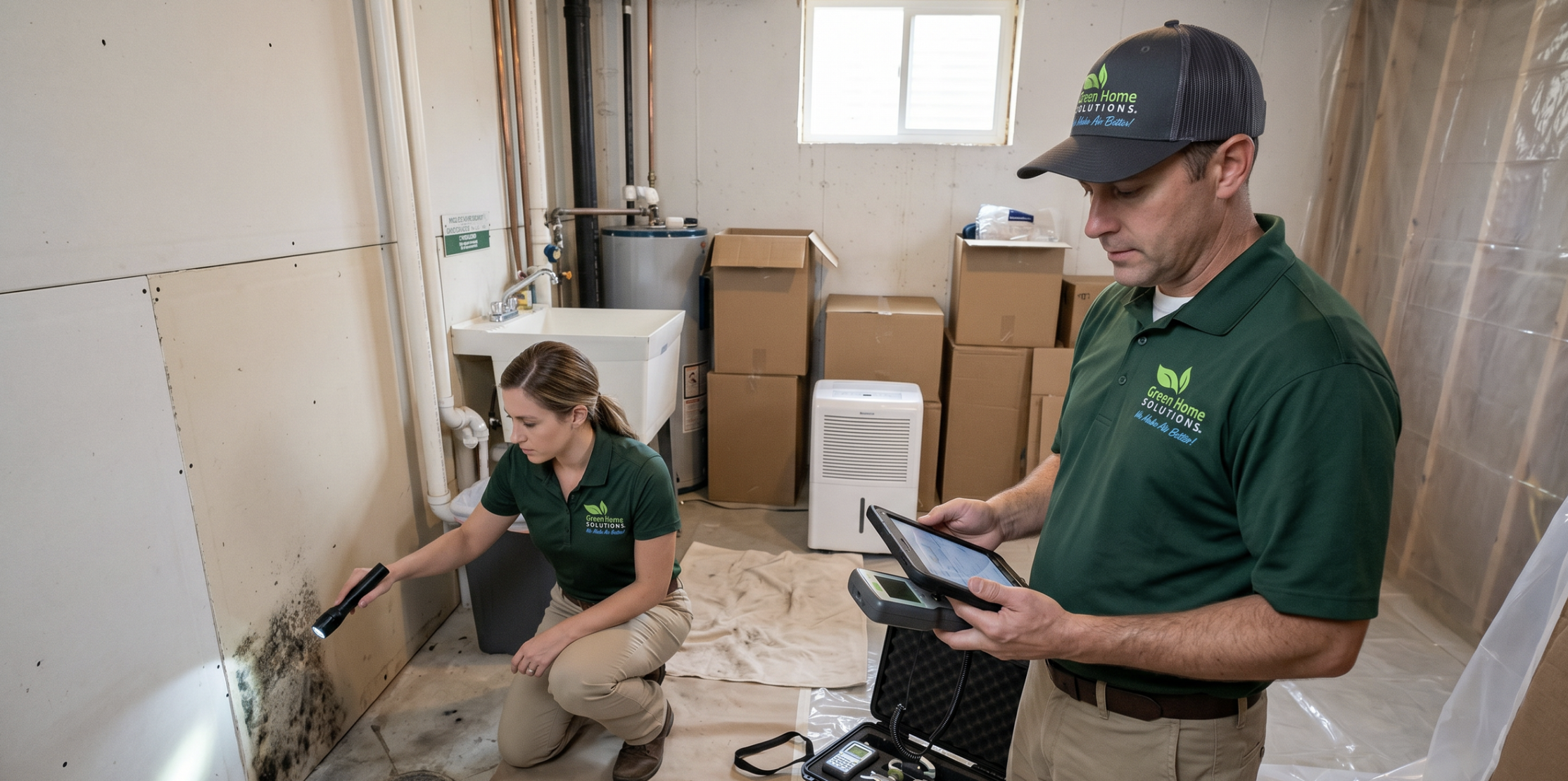
Concerned About Mold Toxicity Symptoms?
Hidden mold and excess moisture aren't always visible. Green Home Solutions provides professional mold testing, indoor air quality testing, and whole-home remediation solutions to help identify the source of your indoor air quality concerns.
Talk to an expert! 1-800-SOLUTIONS
Why Functional Medicine Professionals Consider the Home Environment
As awareness of environmental health continues to grow, many individuals working with functional medicine professionals are also taking a closer look at their home environment. When patients experience persistent symptoms such as fatigue, brain fog, headaches, or ongoing respiratory irritation, some practitioners may recommend evaluating potential environmental factors, including indoor air quality and moisture issues.
Green Home Solutions works alongside homeowners to help identify mold and moisture concerns through professional mold testing, indoor air quality testing, and comprehensive home evaluations. While we do not diagnose or treat medical conditions, our science-backed approach can help identify environmental issues that may be affecting your indoor air quality, allowing you and your healthcare provider to make more informed decisions about your home and overall wellness.

Frequently Asked Questions
What are the most common mold toxicity symptoms?
Some of the most commonly reported symptoms associated with indoor mold exposure include congestion, sneezing, coughing, headaches, fatigue, brain fog, irritated eyes, and sinus pressure. Symptoms vary from person to person, and not everyone exposed to mold will experience the same reactions.
How do I know if my symptoms could be related to mold?
If your symptoms consistently worsen while you’re at home, improve after you’ve been away for an extended period, or occur alongside musty odors or visible signs of moisture, your indoor environment may be worth evaluating.
Can mold grow even if my home is clean?
Yes. Mold growth is caused by excess moisture rather than poor housekeeping. Plumbing leaks, roof leaks, high humidity, condensation, or poor ventilation can all create conditions where mold can develop, even in well-maintained homes.
Where is mold most commonly found?
Mold often grows in damp, poorly ventilated areas such as crawl spaces, basements, attics, bathrooms, laundry rooms, and around HVAC systems. It can also develop behind walls, beneath flooring, and inside insulation where it isn’t immediately visible.
Should I get mold testing even if I can't see it?
Hidden mold is common. If you’re experiencing unexplained symptoms, notice persistent musty odors, or suspect moisture issues, professional mold testing and an indoor air quality assessment can help identify problems that may not be visible.
What's the difference between mold testing and mold remediation?
Mold testing helps determine whether mold or moisture-related issues are present and identifies areas of concern. Mold remediation is the process of addressing mold contamination and correcting the underlying moisture problems to help prevent it from returning.
Can mold come back after remediation?
It can if the underlying moisture source isn’t addressed. Successful remediation includes identifying and correcting issues like leaks, excess humidity, poor ventilation, or water intrusion that allowed mold to grow in the first place.
How can Green Home Solutions help?
Get a Service Quote or Request More Information
If you suspect you have an issue from the list above or you have observed any of the sight, smell, or feel signs of mold, call us to talk to a professional about getting a visual mold assessment or air quality test in your city today! Call Green Home Solutions at 1-800-SOLUTIONS or complete the information request form.