When was the last time you thought about your home’s air filter? For many homeowners, it’s easy to overlook until it’s visibly dirty or it’s time for a replacement. However, your HVAC filter plays an important role in the quality of the air circulating throughout your home and the overall performance of your heating and cooling system.
Indoor air can contain dust, pollen, pet dander, mold spores, smoke particles, and other airborne contaminants. Choosing the right whole house air filter can help reduce many of these pollutants while supporting a cleaner, healthier indoor environment.
At Green Home Solutions, we know that improving indoor air quality is about more than simply replacing a filter. While the right filter is an important first step, the healthiest homes take a comprehensive approach that includes moisture control, ventilation, air purification, and identifying the sources of indoor pollutants.
Why Your Air Filter Matters
Every time your HVAC system runs, air passes through the filter before circulating throughout your home. A quality filter helps capture airborne particles before they continue moving through your ductwork and living spaces.
A properly selected and maintained air filter can help:
- Reduce household dust
- Capture pollen and other seasonal allergens
- Trap pet dander
- Improve indoor air quality
- Protect HVAC equipment from excessive debris buildup
- Help your heating and cooling system operate more efficiently
While filters are highly effective at capturing many airborne particles, they do not solve every indoor air quality issue. Problems such as mold growth, excess humidity, volatile organic compounds (VOCs), persistent odors, and hidden moisture often require additional solutions beyond filtration alone.
Understanding MERV Ratings
One of the most important factors when choosing an air filter is its Minimum Efficiency Reporting Value (MERV) rating. This number indicates how effectively a filter captures particles of different sizes.
MERV RatingBest For1-4Basic HVAC equipment protection5-8Standard residential filtration9-12Homes with pets, allergies, or increased indoor air quality concerns13-16High-efficiency residential filtration when compatible with the HVAC system
Higher MERV ratings capture smaller particles, but they also create greater airflow resistance. Installing the highest-rated filter isn’t always the best choice if your HVAC system wasn’t designed for it.
Using an overly restrictive filter can reduce airflow, increase energy consumption, and place unnecessary strain on your heating and cooling equipment. Always follow your HVAC manufacturer’s recommendations or consult an indoor air quality professional before upgrading to a higher MERV rating.
Types of Whole House Air Filters
Not all air filters are designed the same. Understanding the differences can help you select the best option for your home’s needs.
Pleated Filters
Pleated filters are among the most common choices for residential HVAC systems. Their expanded surface area allows them to capture significantly more dust, pollen, and airborne particles than basic fiberglass filters.
For many homeowners, a quality pleated filter provides an excellent balance between filtration performance, airflow, and affordability.
HEPA Filtration
High-Efficiency Particulate Air (HEPA) filters are capable of capturing 99.97% of particles as small as 0.3 microns.
While HEPA filtration offers exceptional performance, most standard residential HVAC systems cannot accommodate true HEPA filters because they significantly restrict airflow. Instead, whole-home HEPA systems typically require dedicated equipment installed alongside your HVAC system.
Activated Carbon Filters
If odors are a concern, activated carbon filters provide additional benefits beyond particle filtration.
These filters help reduce:
- Cooking odors
- Pet odors
- Smoke
- Some volatile organic compounds (VOCs)
Many homeowners combine activated carbon with high-efficiency particulate filtration for more comprehensive indoor air quality improvement.
Electrostatic Filters
Electrostatic filters use static electricity to attract airborne particles such as dust, pollen, and pet hair.
Some are disposable, while others are washable and reusable. Their effectiveness varies depending on the specific product and maintenance schedule.
Washable Filters
Reusable filters can reduce waste and long-term replacement costs. However, they require routine cleaning and complete drying before reinstalling. Improper maintenance can reduce their effectiveness and may contribute to mold growth if moisture remains trapped in the filter.
Choosing the Right Filter for Your Home
The best air filter depends on your family’s lifestyle and indoor air quality concerns.
Homes with Pets
Pets continuously shed hair and dander that circulate through your HVAC system. A quality pleated filter with a MERV rating between 8 and 12 can help capture these airborne particles while maintaining proper airflow.
Homes with Allergy Sufferers
If someone in your household experiences seasonal allergies, asthma, or respiratory sensitivities, selecting a higher-efficiency filter may help reduce exposure to pollen, dust mites, and other common allergens.
However, filtration should be part of a broader indoor air quality strategy that also addresses moisture, ventilation, and source control.
Homes Affected by Wildfire Smoke
Wildfire smoke can travel hundreds of miles and enter homes through doors, windows, and ventilation systems. Fine smoke particles require higher-efficiency filtration to help reduce indoor exposure.
If wildfire smoke is affecting your area, additional air purification may also be recommended to improve indoor air quality.
Homes with Mold Concerns
Many homeowners assume a better air filter will solve mold problems. While higher-quality filters can capture some airborne mold spores, they do not eliminate active mold growth.
If mold is present, it’s important to identify and correct the underlying moisture issue while safely removing the affected materials. Without addressing the source, mold will continue to grow regardless of how often you replace your air filter.
A Filter Alone Won’t Solve Every Indoor Air Quality Problem
Your HVAC filter is only one component of a healthy home.
If you’re constantly replacing filters but still notice musty odors, excessive dust, allergy symptoms, or poor indoor air quality, the underlying issue may be something else.
Green Home Solutions takes a whole-home approach by identifying the source of indoor air quality concerns before recommending solutions.
Depending on your home’s needs, recommendations may include:
- Indoor air quality testing
- Whole house air purification
- Mold testing and remediation
- Humidity control and dehumidification
- Crawl space encapsulation
- HVAC air duct cleaning
- Odor removal
Rather than treating symptoms, these services help address the conditions contributing to poor indoor air quality.
Signs It’s Time to Replace Your Air Filter
Even the highest-quality air filter becomes less effective as it fills with debris.
Watch for these common signs that it’s time for a replacement:
- Increased dust around your home
- Reduced airflow from vents
- Higher energy bills
- More frequent allergy symptoms
- Your HVAC system runs longer than usual
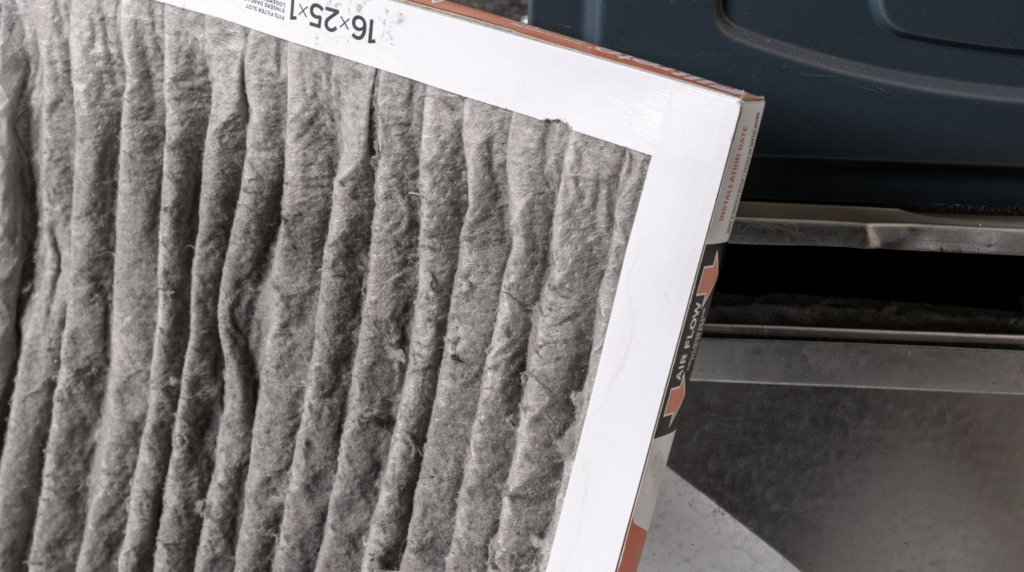
- The filter appears visibly dirty
Most homeowners should replace disposable filters every 30 to 90 days. Homes with pets, multiple occupants, allergies, or frequent HVAC use may require more frequent replacement.
Start with an Indoor Air Quality Assessment
Every home is different.
Two homes on the same street can experience completely different indoor air quality challenges based on humidity levels, construction materials, ventilation, pets, and occupant health concerns.
That’s why Green Home Solutions begins with a professional indoor air quality assessment. Rather than guessing which filter or product might help, our team evaluates your home’s unique conditions and recommends science-backed solutions designed to improve your indoor environment.
Whether your goal is reducing allergens, addressing persistent odors, improving filtration, or identifying hidden moisture issues, understanding what’s in your air is the first step toward creating a healthier home.
Frequently Asked Questions
Q: What MERV rating is best for most homes?
A: Most residential HVAC systems perform well with filters rated between MERV 8 and MERV 12. Always verify that your HVAC equipment is designed to accommodate the selected filter.
Q: Can a whole house air filter remove mold spores?
A: High-quality filters can capture many airborne mold spores, but they cannot eliminate mold growth. Moisture issues and active mold should be professionally addressed to prevent continued contamination.
Q: How often should I replace my HVAC air filter?
A: Most filters should be replaced every 30 to 90 days. Homes with pets, allergies, or heavy HVAC use may need more frequent replacement.
Q: Is a higher MERV rating always better?
A: No. Filters with very high MERV ratings can restrict airflow if your HVAC system isn’t designed for them, potentially reducing efficiency and increasing wear on your equipment.
Q: Do I need a whole house air purifier if I already have a good filter?
A: A quality filter captures many airborne particles, but it may not address odors, VOCs, biological contaminants, or certain microscopic pollutants. A professional indoor air quality assessment can help determine whether additional purification would benefit your home.
Improve the Air Throughout Your Home
Choosing the right whole house air filter is an important step toward cleaner indoor air, but it’s only one part of creating a healthier home. If you’re experiencing ongoing allergies, musty odors, excessive dust, or concerns about mold, it may be time to look beyond your HVAC filter.
Green Home Solutions provides science-backed indoor air quality assessments, whole house air purification solutions, mold remediation, humidity control, and other services designed to help homeowners breathe easier.
Call 1-800-SOLUTIONS today to schedule an indoor air quality assessment and learn which solutions are right for your home.