
Every year, hurricane season and severe summer storms bring heavy rainfall, strong winds, and flash flooding to communities across the United States. While coastal regions often receive the most attention, inland areas can experience significant flooding as well. In fact, a single intense storm can overwhelm drainage systems and send water straight toward your home’s foundation.
If your basement has flooded before, or you’re hoping to prevent it from ever happening, now is the time to prepare. Taking proactive steps before the next major storm can help reduce the risk of water intrusion, mold growth, structural damage, and costly repairs.
Why Storm Season Increases Basement Flooding Risk
Heavy rainfall doesn’t have to come from a hurricane making landfall nearby. Tropical systems can dump inches of rain hundreds of miles inland, saturating the ground and creating conditions where water naturally seeks the path of least resistance.
Common causes of basement flooding during storms include:
- Saturated soil surrounding the foundation
- Poor yard grading that directs water toward the home
- Clogged gutters and downspouts
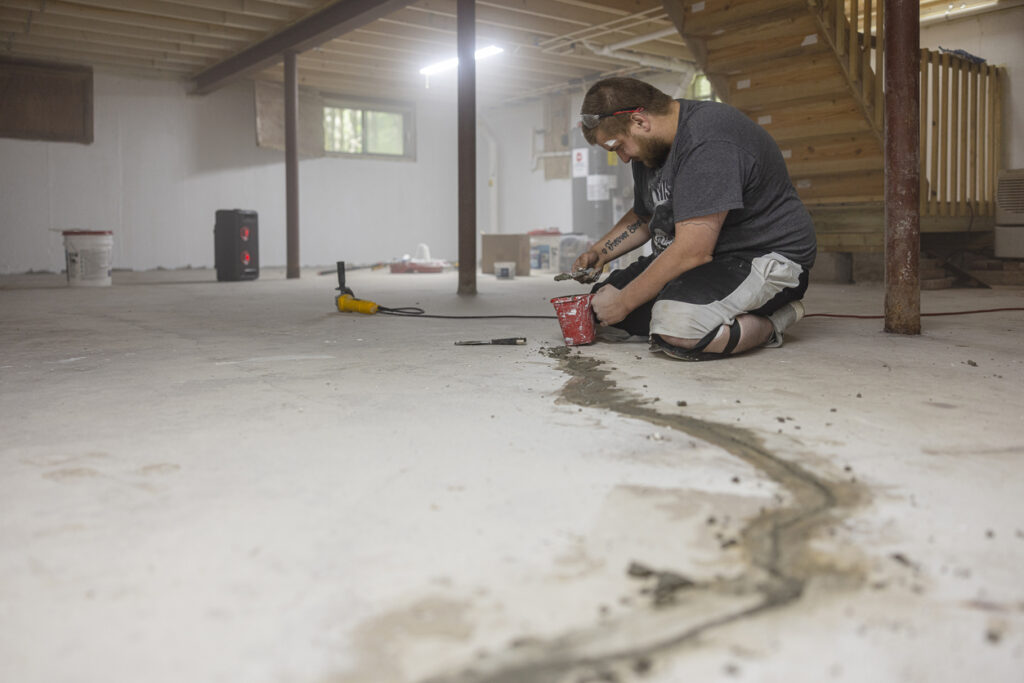
- Cracks in foundation walls or floors
- Hydrostatic pressure forcing groundwater through small openings
- Overwhelmed drainage systems
- Sump pump failure during power outages
Even homes that have never experienced water problems can become vulnerable during unusually heavy rainfall.
Inspect Your Foundation Before Storms Arrive
One of the easiest preventative steps is performing a visual inspection around your home’s foundation.
Look for:
- Foundation cracks
- Gaps around utility penetrations
- Areas where soil has settled against the home
- Standing water after previous rainstorms
- Signs of moisture or efflorescence on basement walls
Small issues can become major entry points when heavy rain increases pressure around your foundation.
Make Sure Gutters and Downspouts Are Working Properly
Your gutter system plays a much bigger role than many homeowners realize.
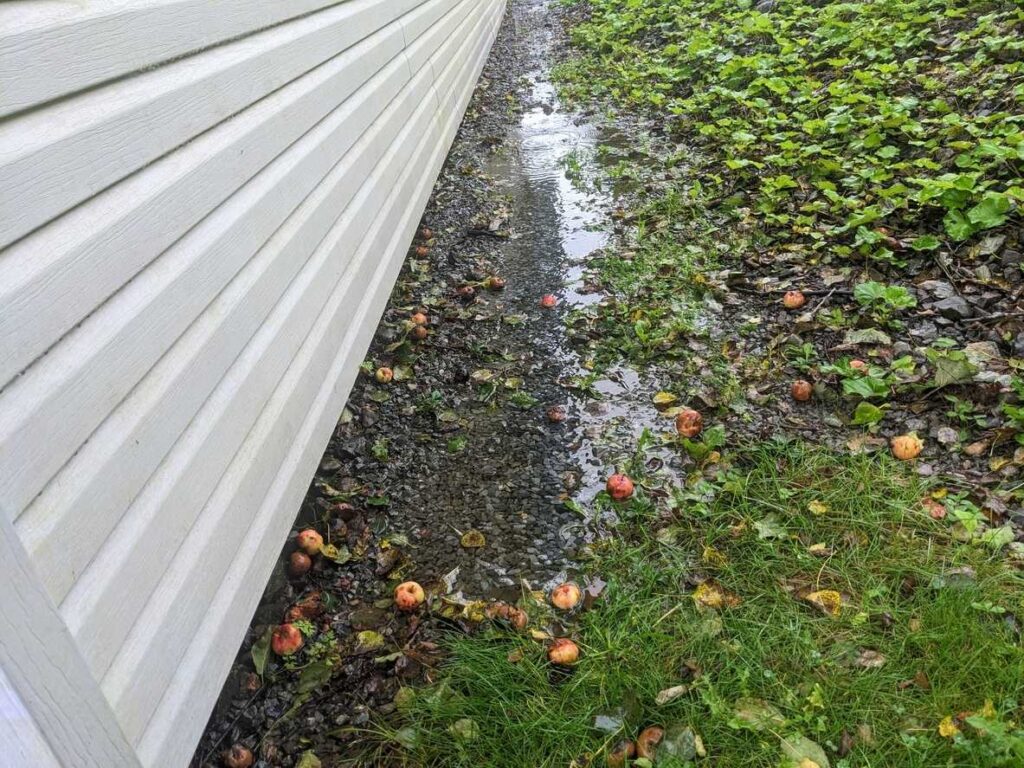
When gutters become clogged with leaves, sticks, or debris, rainwater spills directly next to your foundation instead of safely away from your home.
Before storm season:
- Clean all gutters
- Remove debris from downspouts
- Repair sagging sections
- Ensure water discharges at least 6 to 10 feet away from the home
- Install downspout extensions if needed
Proper drainage dramatically reduces the amount of water collecting around your basement.
Improve Grading Around Your Home
The ground surrounding your home should slope away from the foundation.
Over time, soil naturally settles, creating low spots where rainwater pools against exterior walls.
A properly graded yard helps water move away from your foundation instead of allowing it to soak into the surrounding soil.
If you notice puddles forming near your home after storms, regrading may be one of the most effective long-term solutions.
Test Your Sump Pump
If your home has a sump pump, don’t wait until severe weather arrives to find out it isn’t working.
Before storm season:
- Pour water into the sump pit to ensure it activates
- Check the discharge line for blockages
- Inspect the float switch
- Test any battery backup system
Power outages commonly occur during hurricanes and severe thunderstorms. A battery backup can continue protecting your basement when electricity goes out.
Seal Small Foundation Cracks Early
Water doesn’t need a large opening to enter your basement.
Tiny cracks in concrete walls or floors can allow moisture to seep inside when groundwater pressure increases.
Addressing minor foundation issues before heavy rainfall arrives helps reduce the chance of leaks becoming larger problems later.
If you notice expanding cracks, recurring moisture, or water intrusion, it’s best to have the issue professionally evaluated.
Reduce Indoor Humidity
Storms don’t always bring standing water into your basement. They also increase humidity.
Even if flooding never occurs, elevated moisture levels can contribute to:
- Mold growth
- Musty odors
- Condensation on pipes and walls
- Wood damage
- Poor indoor air quality
Running a basement dehumidifier and maintaining indoor humidity between 30% and 50% can help reduce excess moisture.
Know the Early Warning Signs of Water Problems
Many homeowners don’t realize there’s a problem until they discover standing water.
Watch for warning signs such as:
- Damp or musty odors
- Water stains on basement walls
- Peeling paint
- White mineral deposits (efflorescence)
- Warped flooring
- Visible mold growth
- Condensation on basement surfaces
Addressing these symptoms early can help prevent more extensive damage after future storms.
Consider Professional Basement Waterproofing
If your basement has experienced leaks before, preventative waterproofing may be the most effective long-term investment.
Professional basement waterproofing solutions may include:
- Interior drainage systems
- Exterior waterproofing membranes
- Crack repair
- Foundation sealing
- Sump pump installation or replacement
- Moisture management solutions
Every home is different, which is why a professional assessment helps identify the most appropriate solution based on your property’s unique conditions.
Storm Damage Doesn’t End When the Water Recedes
Even minor water intrusion can create conditions that support mold growth within 24 to 48 hours if materials remain wet.
After any basement flooding or water event, it’s important to:
- Remove standing water quickly
- Thoroughly dry affected materials
- Inspect for hidden moisture
- Address the source of water intrusion
- Evaluate for potential mold growth
Responding quickly helps protect both your home and your indoor air quality.
Prepare Before the Forecast Changes
Storm season arrives every year, but basement flooding doesn’t have to.
By inspecting your foundation, improving drainage, testing your sump pump, and addressing moisture concerns before severe weather arrives, you can significantly reduce the risk of costly water damage.
If your basement has leaked before or you’re concerned about protecting your home before the next major storm, Green Home Solutions can help assess moisture issues and recommend solutions that help keep your basement dry year-round.
Frequently Asked Questions
Q: Can my basement flood even if I don’t live near the coast?
A: Yes. Inland communities frequently experience basement flooding from heavy rainfall, flash flooding, and remnants of tropical storms. You don’t have to live in a hurricane evacuation zone to experience water intrusion.
Q: How often should I inspect my basement before storm season?
A: It’s a good idea to inspect your basement and foundation at least once each year before peak storm season and again after any significant weather event.
Q: What’s the biggest cause of basement flooding?
A: Poor drainage around the foundation is one of the most common causes. Clogged gutters, improper grading, foundation cracks, and sump pump failures also contribute to water entering basements.
Q: Can basement waterproofing prevent every flood?
A: No waterproofing system can guarantee protection from every extreme weather event, but professional waterproofing significantly reduces the risk of water intrusion under normal and many severe storm conditions.
Q: How quickly can mold grow after basement flooding?
A: Mold can begin developing within 24 to 48 hours when moisture remains on building materials. Prompt drying and moisture control are critical after any flooding event.