
Ever walk into your home on a hot summer day and feel like the air is heavy, damp, and sticky? The classic sticky home in summer feeling?
That uncomfortable feeling is not just heat. It is a sign of excess indoor humidity. While it is easy to dismiss as a seasonal annoyance, it often points to a deeper issue that can affect both your home and your health: moisture buildup that creates ideal conditions for mold growth. You might even wonder, “can high humidity cause mold in my home?” The short answer is yes, because persistent moisture allows mold spores to settle and thrive.
Understanding why this happens and what it means for your indoor air quality can help you prevent damage before it starts.
Summary
High indoor humidity, often above 60 percent, causes the sticky summer feeling and creates ideal conditions for mold by providing persistent moisture on warm, organic surfaces. Warning signs include musty odors, condensation, discoloration, and increased allergy symptoms, which can intensify as seasonal allergens and humidity compound air quality issues. Prevent problems by keeping humidity between 30–50 percent, improving ventilation, maintaining AC, using dehumidifiers, and fixing leaks promptly. If humidity persists or mold is suspected, professional evaluation, testing, and remediation can address hidden moisture sources and prevent recurrence.
What Causes That Sticky Feeling in Your Home?
That sticky sensation comes from high humidity levels inside your home. During the summer, outdoor air carries more moisture. When that air enters your home, it can become trapped and build up quickly.
This is especially common when ventilation is limited or when your HVAC system is not effectively removing moisture from the air. Once indoor humidity rises above 60 percent, the air starts to feel damp and uncomfortable, and mold growth becomes much more likely.
Several everyday factors can contribute to this problem:
- Poor ventilation in bathrooms, kitchens, and laundry rooms
- Air conditioning systems that are oversized, inefficient, or poorly maintained
- Leaks in roofs, plumbing, or foundations
- Moisture buildup in basements and crawl spaces
- Daily activities like cooking, showering, and drying clothes indoors
Even a well-sealed home can trap humidity if moisture has no way to escape. These conditions are common signs of high humidity and signal that moisture control is needed.
Why High Humidity Is More Than Just Uncomfortable
A sticky home is not just a comfort issue. It can slowly affect the structure of your home and the quality of your indoor air.
Over time, excess humidity can lead to:
- Warped wood flooring and furniture
- Peeling paint and bubbling drywall
- Musty or persistent odors
- Increased dust mites and allergens
When these conditions persist, they create an environment where mold can thrive.
What is The Link Between Humidity and Mold Growth?
Mold needs only a few things to grow: moisture, organic material, and warm temperatures. Summer provides all three in abundance.
When humidity remains high, mold spores that are naturally present in the air can settle onto surfaces and begin growing.
Common areas where mold develops include:
- Bathrooms and kitchens with frequent moisture exposure
- Basements and crawl spaces with limited airflow
- Window frames with condensation buildup
- HVAC systems and ductwork
Left unchecked, mold can spread behind walls, under flooring, and into areas that are not immediately visible.
What are The Warning Signs Your Home May Have a Mold Problem?
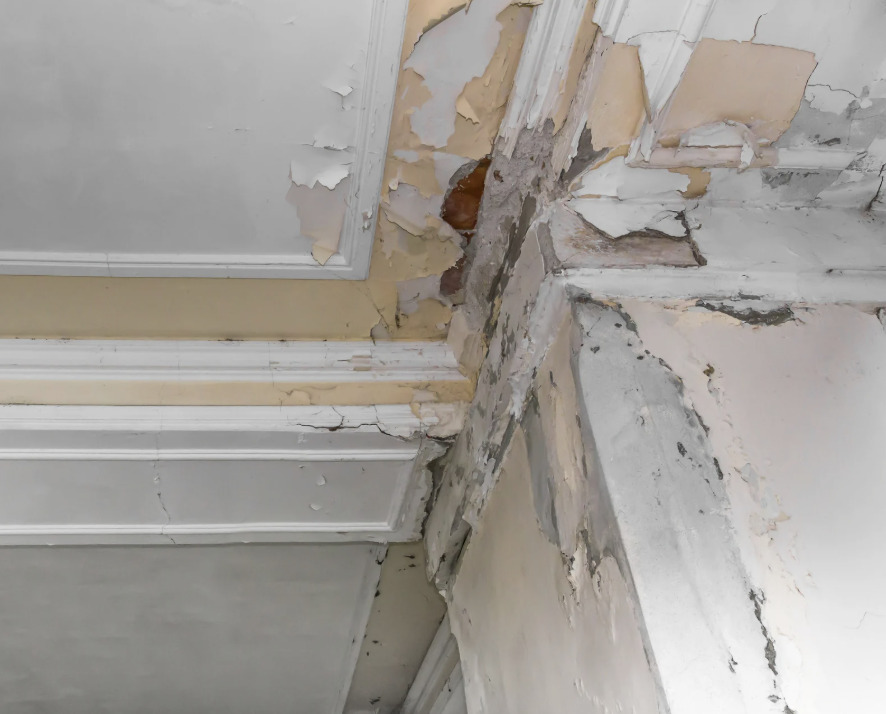
Mold is not always obvious. In many cases, it grows in hidden areas and reveals itself through secondary signs. Many of these are also signs of high humidity that indicate moisture is lingering indoors.
Watch for the following indicators:
- A persistent musty smell that does not go away
- Dark spots or discoloration on ceilings or walls
- Increased allergy symptoms, such as sneezing or congestion
- Condensation forming on windows or pipes
That lingering odor in particular is often one of the earliest signs of moisture-related issues. In many cases, homeowners benefit from professional indoor odor removal to eliminate smells at their source rather than masking them.
How Does Seasonal Air Quality Play a Role?
Humidity and allergens often work together to impact indoor comfort. If you noticed issues during spring, those same conditions can carry into summer and intensify.
Seasonal changes often reveal how strongly indoor air quality affects your home environment. If you experienced allergy flare-ups earlier in the year, it may be helpful to revisit how spring conditions impact indoor air quality, especially as summer humidity adds another layer of moisture stress:
If symptoms persist or you suspect hidden moisture, consider indoor air quality testing to better understand humidity levels and potential airborne mold concerns.
How Can I Reduce Indoor Humidity and Prevent Mold?
If you are wondering how to reduce indoor humidity, the key to eliminating that sticky feeling is controlling moisture before it leads to bigger problems.
You can start with a few practical steps:
- Keep indoor humidity between 30 and 50 percent
- Use exhaust fans in bathrooms and kitchens
- Run your air conditioning system consistently and maintain it regularly
- Use dehumidifiers in basements or other damp areas
- Fix leaks or water intrusion issues immediately
These steps help reduce moisture and make your home less inviting to mold growth.
When to Call a Professional
If your home continues to feel humid despite your efforts, there may be an underlying moisture issue that needs attention.
Mold does not resolve on its own. If the source of moisture is not addressed, it will continue to return even after cleaning.
In these cases, professional support can make a significant difference. Services such as mold remediation and removal focus not only on eliminating visible mold but also on addressing the conditions that allow it to grow in the first place.
A professional evaluation can help:
- Identify hidden moisture sources
- Detect mold in concealed areas
- Restore healthier indoor air conditions
- Prevent recurring mold growth
- Perform indoor air quality testing to assess humidity and airborne mold levels
How Can Green Home Solutions Help a Sticky Home?
If your home still feels sticky, damp, or uncomfortable during the summer, it is usually a sign that excess moisture is present indoors. That lingering humidity is more than a comfort issue. It often signals conditions that can lead to mold growth, persistent odors, and declining indoor air quality.
When moisture levels stay elevated, problems can develop quietly over time. Mold may begin growing in hidden areas, building materials can start to break down, and allergens can become more concentrated in the air you breathe.
The sooner these issues are identified and addressed, the easier they are to resolve and prevent from returning.
Green Home Solutions focuses on identifying and addressing the root causes of indoor moisture problems, not just the symptoms. By targeting excess humidity, improving indoor air conditions, and treating contamination at its source, you can restore a healthier and more comfortable home environment.
If your home continues to feel damp no matter what you try, it may be time for a professional evaluation.
Call Green Home Solutions at 1-800-SOLUTIONS or click here to book an assessment and take the first step toward cleaner, healthier indoor air.