
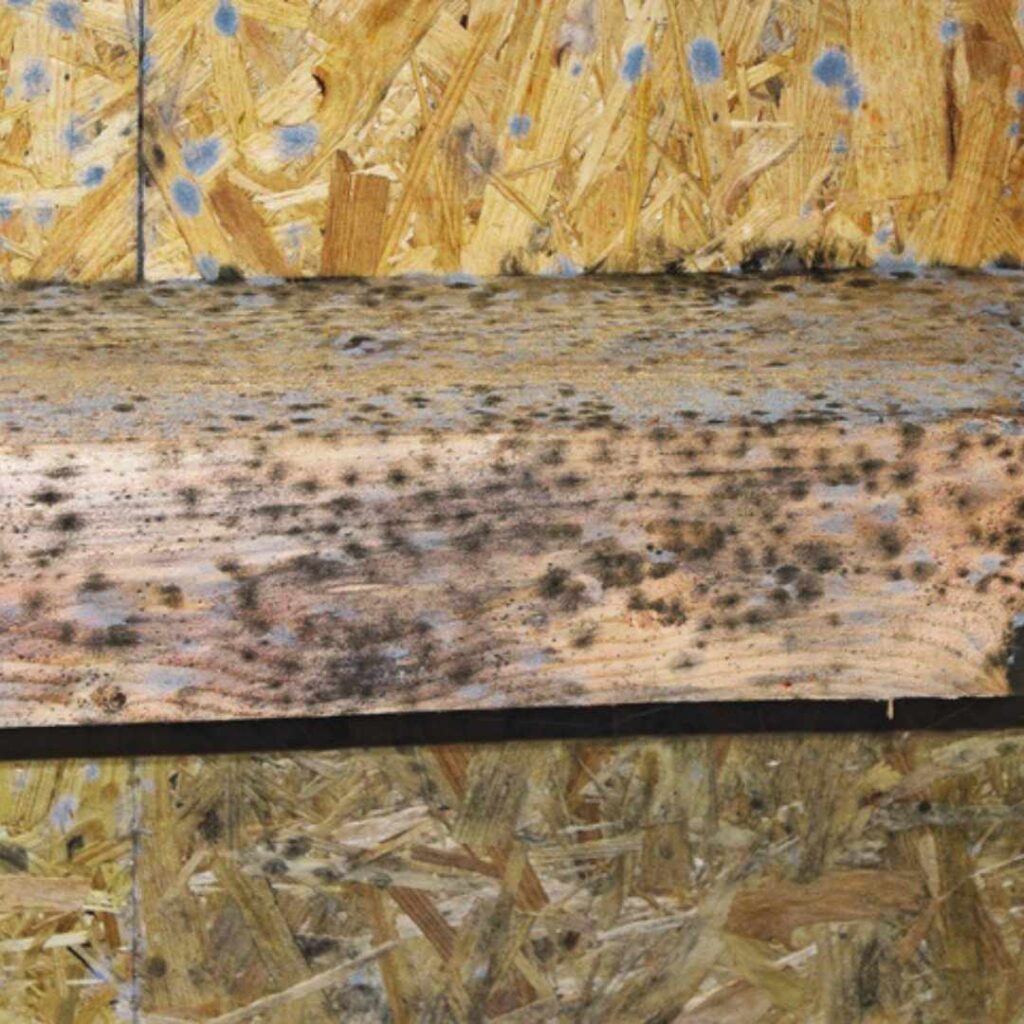
What Is the Real Cause of Mold in a Home?
When most people think about mold, they focus on what they can see—spots on walls, ceilings, or around vents.
But visible mold is only part of the story. If you’re wondering what causes mold in a house, remember it’s not about the spores themselves—it’s about the conditions that allow them to grow.
The real cause of mold isn’t the mold itself. It’s the conditions that allow it to grow.
Understanding that difference is the key to solving the problem for good.
Mold Is a Symptom—Not the Root Problem
Mold spores are naturally present in the air, both inside and outside your home.
That means eliminating mold entirely isn’t realistic.
What is controllable is whether your home creates an environment where mold can grow. When people discuss indoor mold causes, the conversation should start with moisture control.
If the conditions are right, mold will develop. If they’re not, it won’t.
The Three Conditions Mold Needs to Grow
Mold growth depends on three main factors:
- Moisture
- Organic material (like wood, drywall, or dust)
- The right temperature
The last two are almost always present in a home.
So the real deciding factor is moisture.
Moisture: The True Cause of Mold
If there’s one thing to understand about mold, it’s this:
No moisture = no mold growth.
Moisture can come from many sources, including:
- High indoor humidity
- Water leaks (roof, plumbing, foundation)
- Condensation from temperature differences
- Poor ventilation
- Ground moisture in crawl spaces or basements
Even small amounts of ongoing moisture can create the right conditions for mold over time. This explains why mold grows in homes where humidity lingers or leaks go unresolved.
Common Sources of Moisture in Homes
Crawl Spaces
Exposed soil, outside air, and poor sealing allow moisture to build up underneath the home.
Basements
Groundwater pressure, condensation, and limited airflow often lead to damp conditions.
Bathrooms & Kitchens
Frequent water use combined with poor ventilation can trap moisture in the air.
Attics
Improper ventilation and insulation can cause heat and moisture to accumulate.
HVAC Systems & Ductwork
Condensation inside ducts or systems can contribute to mold growth if not managed properly.
Why Mold Problems Keep Getting Misdiagnosed
Many homeowners—and even some contractors—focus only on removing mold once it appears.
But without identifying the moisture source:
- The problem isn’t fully solved
- Conditions remain unchanged
- Mold can return
This is why some homes experience recurring mold issues even after professional treatment.
How to Actually Prevent Mold Growth
Preventing mold isn’t about chasing spores—it’s about controlling your environment. These steps help prevent mold growth in a house rather than relying on constant cleanup.
A long-term solution focuses on:
1. Managing Humidity
Keeping indoor humidity in a safe range helps prevent mold-friendly conditions.
2. Controlling Moisture Sources
Fixing leaks, sealing spaces, and addressing ground moisture are critical steps.
3. Improving Airflow
Proper ventilation reduces stagnant, humid air.
4. Stabilizing the Home Environment
Creating consistent temperature and humidity conditions helps prevent condensation and buildup.
5. Monitoring Over Time
Regular checks ensure that conditions remain under control.
A Better Way to Think About Mold
Instead of asking:
“How do I remove mold?”
A better question is:
“How do I prevent the conditions that allow mold to grow?”
That shift changes everything—and leads to more effective, long-term results.
When to Take Action
You may have a moisture-driven mold issue if:
- Your home feels humid or damp
- You notice musty odors
- You’ve had mold before
- Certain areas of your home feel consistently “off”
These are often early warning signs of a deeper issue.
Solve the Cause, Not Just the Symptom
At Green Home Solutions, we focus on identifying and correcting the conditions that lead to mold—not just removing what’s visible.
By addressing moisture, airflow, and air quality together, we help homeowners create healthier, more stable environments.
A Full-Cycle Approach to Preventing Mold
At Green Home Solutions, we believe solving mold problems starts with addressing the entire indoor environment—not just the visible symptoms. Our Full-Cycle IAQ approach focuses on identifying moisture sources, improving airflow, managing humidity, and creating healthier long-term indoor conditions to help reduce the risk of recurring mold issues.
Schedule a Home Assessment
If you’re concerned about mold or moisture in your home, the first step is understanding what’s causing it.
Our team can evaluate your home, identify potential issues, and recommend a clear path forward.
Schedule your assessment today and take control of your home’s environment.
Frequently Asked Questions
Can mold grow without a water leak?
Yes. Mold does not always require a major leak to develop. High humidity, condensation, poor ventilation, and damp crawl spaces can all create enough moisture for mold growth over time.
Why does mold keep coming back after remediation?
Mold often returns when the underlying moisture issue is never fully corrected. Removing visible mold without addressing humidity, airflow, or hidden moisture can allow conditions for regrowth to remain.
What humidity level helps prevent mold growth?
Most homes should maintain indoor humidity levels between 30% and 50%. Higher humidity can create conditions that support mold growth, especially in poorly ventilated areas.
Can mold grow in HVAC systems and ductwork?
Yes. Condensation inside HVAC systems or ducts can create damp conditions where mold may develop and spread throughout the home.
Are crawl spaces and basements common problem areas?
Absolutely. Crawl spaces and basements are especially vulnerable to moisture because of ground exposure, limited airflow, and humidity buildup.
What are common signs of a moisture problem?
Musty odors, damp air, condensation, discoloration on walls or ceilings, and recurring humidity issues are often early signs that excess moisture may be present in the home.
What is the best long-term way to prevent mold?
Long-term mold prevention focuses on controlling moisture through humidity management, ventilation, leak repair, and creating more stable indoor conditions over time.
When should I schedule a professional assessment?
If you notice recurring odors, visible mold, humidity problems, or past water damage, a professional assessment can help identify the source before the issue worsens.