
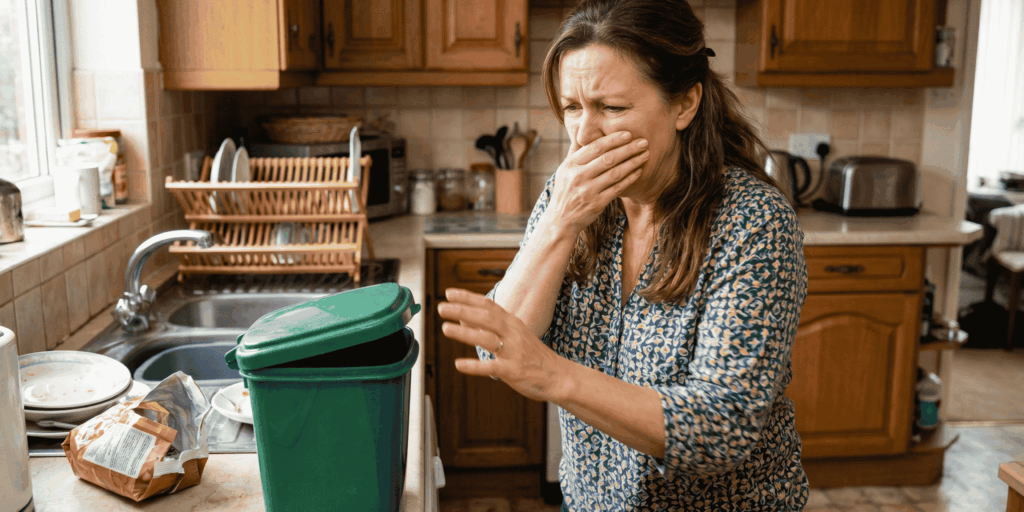
You finally get home after a relaxing summer vacation. The bags are unpacked, the laundry is started, and then you notice something strange.
The air feels different.
Maybe it’s a musty smell when you walk through the front door. Maybe the house feels damp or stuffy. Perhaps you’re sneezing more than usual, experiencing headaches, or noticing odors that weren’t there before you left.
If your home’s indoor air feels “off” after returning from vacation, you’re not imagining it. Homes that sit vacant during the summer often experience changes in humidity, ventilation, and air circulation that can impact indoor air quality. In many cases, those changes create ideal conditions for moisture buildup, odors, and even mold growth. Excess moisture is one of the primary drivers of mold development and indoor air quality problems.
Understanding what happens while you’re away can help you identify issues early and restore healthier air throughout your home.
What Happens to Indoor Air While You’re Away?
Most homeowners adjust their thermostat before leaving for vacation. Raising the temperature can save energy, but it can also allow humidity levels to climb inside the home.
During the summer, outdoor air contains significantly more moisture. If your air conditioning system runs less frequently, it removes less humidity from the air. As moisture accumulates, your home can begin to feel damp and uncomfortable. In humid conditions, indoor humidity can easily rise above recommended levels, creating conditions that support mold, mildew, odors, and other indoor air quality concerns.
Even homes that appear perfectly clean can develop air quality issues when they remain closed up for several days or weeks.
Why Does My House Smell Musty After Vacation?
One of the most common complaints homeowners have after returning from a trip is a musty odor.
Musty smells are often associated with excess moisture. Warm temperatures combined with elevated humidity can allow mold and mildew to develop in hidden areas such as:
- Basements
- Crawl spaces
- HVAC systems
- Closets
- Under sinks
- Behind furniture
- Attics
In some cases, mold growth may be minimal and not yet visible. However, mold and mildew can still produce noticeable odors that make your entire home feel stale. Musty, earthy, or damp smells are among the most common indicators of moisture-related indoor air quality issues.
If the smell doesn’t disappear after a day or two, it’s worth investigating further.
Humidity Is Often the Hidden Culprit
Humidity plays a major role in indoor comfort and air quality.
The EPA recommends maintaining indoor humidity levels that help prevent moisture-related problems and mold growth. Many indoor air quality professionals recommend keeping relative humidity between approximately 30% and 50%.
When humidity rises above those levels, several things can happen:
- Mold spores can begin to grow on surfaces.
- Dust mites become more active.
- Odors become more noticeable.
- Air feels heavy and uncomfortable.
- Condensation can form on windows and cooler surfaces.
Even if no mold is visible, excessive humidity can make a home feel unhealthy and uncomfortable. That’s why many homeowners benefit from professional dehumidification solutions.
Learn more about professional dehumidification services from Green Home Solutions:
Stagnant Air Can Make Your Home Feel Stuffy
Another reason your home’s air feels different after vacation is the lack of circulation.
When a home sits vacant, windows remain closed, doors stay shut, and indoor air becomes stagnant. Without normal daily activity and airflow, pollutants can accumulate.
These pollutants may include:
- Dust
- Pet dander
- Volatile organic compounds (VOCs)
- Household odors
- Airborne particles
- Biological contaminants
Poor indoor air quality can contribute to discomfort, fatigue, headaches, and respiratory irritation. Indoor environments often contain higher concentrations of pollutants than many homeowners realize.
Upon returning home, many people immediately notice the difference because they have spent several days breathing fresher outdoor air or air from different environments.
Your HVAC System May Be Contributing
Your HVAC system plays a major role in maintaining indoor air quality.
While you’re away, several things can occur:
- Air filters continue collecting dust and particles.
- Condensation may build up around HVAC components.
- Humidity levels may rise if cooling cycles decrease.
- Airflow may become less effective.
When you return home and the system begins running normally again, contaminants that accumulated during your absence may circulate throughout the house.
A professional indoor air quality assessment can help determine whether your HVAC system is contributing to odors, moisture concerns, or airborne contaminants.
Don’t Ignore Basement and Crawl Space Conditions
Many homeowners focus on living areas while overlooking the spaces below them.
Basements and crawl spaces are often the first places to develop moisture-related issues during the summer months. These areas naturally experience higher humidity levels because they are surrounded by damp soil and often receive limited airflow. High humidity in these spaces can contribute to mold growth, musty odors, and compromised indoor air quality throughout the home.
If your home smells musty after vacation, inspecting these areas should be a priority.
In many homes, air from crawl spaces and basements eventually circulates upward into the living areas. Addressing moisture problems at their source can significantly improve overall indoor air quality.
A Whole-Home Approach Delivers Better Results
Indoor air quality problems rarely have a single cause.
That’s why Green Home Solutions takes a comprehensive approach through our Full-Cycle IAQ process. Rather than simply masking symptoms, we identify contributing factors, evaluate the entire indoor environment, and develop solutions designed to improve the air throughout your home.
Learn more about Full-Cycle IAQ here.
Depending on your home’s needs, solutions may include:
- Indoor air quality testing
- Moisture control
- Dehumidification
- Odor removal
- Air purification
- Mold remediation recommendations
This whole-home strategy helps address the underlying issues that may be causing your home to feel stale, humid, or uncomfortable after vacation.
Consider Whole-House Air Purification
If odors, allergens, or airborne contaminants continue to affect your comfort, whole-house air purification may be worth considering.
Unlike portable units that only treat a single room, whole-house systems work with your HVAC system to improve air quality throughout the entire home.
Learn more about whole-house air purification here.
When combined with humidity control and source removal, air purification can help create a fresher, healthier indoor environment year-round.
Eliminate Odors Instead of Covering Them Up
Many homeowners try to solve post-vacation odors with candles, sprays, or air fresheners.
Unfortunately, these products often mask odors rather than address their source.
Whether the smell is caused by excess moisture, mold, mildew, pet odors, or other indoor contaminants, identifying the root cause is essential for long-term improvement.
Learn more about professional indoor odor removal here:
Professional odor removal solutions can help eliminate stubborn odors while improving overall indoor air quality.
How Green Home Solutions Can Help
If your home feels stuffy, humid, musty, or uncomfortable after summer vacation, Green Home Solutions can help identify what’s causing the problem.
Our team specializes in indoor air quality assessments, odor removal, dehumidification, air purification, and comprehensive indoor environmental solutions. We work to identify the underlying causes of poor indoor air quality rather than simply treating the symptoms.
Whether you’re noticing musty odors, elevated humidity, allergy symptoms, or concerns about hidden mold, our science-based approach can help you create a healthier indoor environment for your family.
Book an Assessment Today
Don’t ignore the signs that your home’s indoor air quality may have changed while you were away. Musty odors, excessive humidity, stale air, and persistent discomfort are often indicators that something in your indoor environment needs attention.
Schedule a professional assessment with Green Home Solutions today. Our experts can evaluate your home’s air quality, identify potential moisture concerns, and recommend customized solutions to help you breathe easier.
Visit https://www.greenhomesolutions.com/ to find a location near you or call 1.800.SOLUTIONS to book an assessment today.
Frequently Asked Questions
Why does my house smell musty after being closed up during vacation?
Musty odors often develop when humidity levels rise and moisture accumulates in the home. Mold, mildew, and stagnant air are among the most common causes.
Can mold grow while I’m away on vacation?
Yes. If humidity levels become elevated and moisture is present, mold can begin growing within a relatively short period of time. Moisture control is the key to mold prevention.
What humidity level should my home maintain during summer?
Most indoor air quality professionals recommend maintaining relative humidity between 30% and 50% to help prevent mold growth and maintain comfort.
Should I leave my air conditioner running while on vacation?
In many climates, allowing your HVAC system to run at a higher temperature setting can help maintain humidity control while reducing energy use. Completely shutting it off may allow excess moisture to accumulate.
Can indoor air quality affect how I feel?
Yes. Poor indoor air quality can contribute to headaches, fatigue, respiratory irritation, allergy symptoms, and general discomfort.
How do I know if I need a professional indoor air quality assessment?
If odors persist, humidity remains high, allergy symptoms worsen indoors, or you suspect hidden mold or moisture problems, a professional assessment can help identify the source and recommend solutions.