
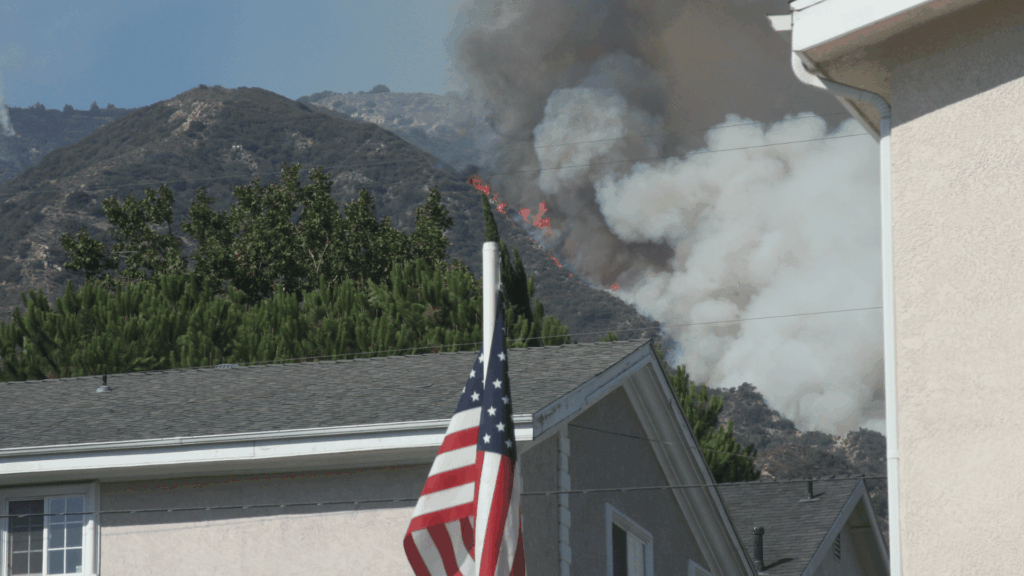
Every summer, wildfire smoke impacts communities far beyond the flames. Even if a wildfire is burning hundreds of miles away, changing wind patterns can carry smoke across entire regions, causing hazy skies and unhealthy air quality.
While many people focus on outdoor air quality during wildfire season, what happens inside your home is just as important.
Wildfire smoke can infiltrate homes through small gaps around doors and windows, attic vents, HVAC systems, and other openings. Once inside, microscopic smoke particles can remain suspended in the air and settle throughout your home, potentially affecting the air you breathe long after the outdoor smoke has begun to clear. The U.S. Environmental Protection Agency (EPA) recommends taking steps to reduce smoke infiltration and improve indoor air quality during wildfire events.
Whether you’re currently dealing with wildfire smoke or preparing for future smoke events, understanding how smoke affects your indoor environment can help you create a healthier home.
Why Wildfire Smoke Is a Concern
Wildfire smoke is made up of a complex mixture of gases and tiny airborne particles. The smallest particles, known as PM2.5 (fine particulate matter), are especially concerning because they are small enough to bypass your body’s natural defenses and travel deep into the lungs.
Depending on what is burning, wildfire smoke may also contain compounds released from:
- Trees and vegetation
- Homes and buildings
- Vehicles
- Plastics and synthetic materials
- Household chemicals
As smoke travels long distances, these particles remain suspended in the atmosphere and can enter homes even when windows and doors remain closed.
How Wildfire Smoke Gets Into Your Home
Many homeowners assume that staying indoors completely protects them from wildfire smoke. While remaining indoors can significantly reduce exposure, your home is not automatically sealed against outdoor pollutants.
Smoke commonly enters through:
- Open windows and doors
- Small gaps around doors and windows
- Attic vents
- Bathroom and kitchen exhaust fans
- HVAC systems bringing in outdoor air
- Chimneys and fireplaces
- Crawl spaces and other structural openings
Once inside, smoke particles circulate throughout the home and can become trapped indoors if proper filtration isn’t available. The EPA notes that outdoor wildfire smoke can significantly reduce indoor air quality if buildings are not properly protected.
Common Health Effects of Wildfire Smoke Exposure
Wildfire smoke affects everyone differently. Some individuals may notice symptoms after only brief exposure, while others may experience little immediate discomfort.
Common symptoms include:
- Eye irritation
- Scratchy throat
- Coughing
- Runny nose
- Headaches
- Shortness of breath
- Wheezing
- Fatigue
For individuals with asthma, COPD, heart disease, allergies, or other respiratory conditions, wildfire smoke may worsen existing symptoms and increase the risk of complications.
Children, older adults, pregnant individuals, and people with chronic medical conditions are generally considered more susceptible to smoke exposure.
Why Indoor Air Quality Matters During Wildfire Season
Americans spend the majority of their time indoors, especially during smoke events.
If smoke enters your home unchecked, indoor air can quickly become unhealthy. Even when outdoor conditions improve, smoke particles may continue circulating indoors until they are removed through ventilation or effective air filtration.
This is why improving indoor air quality can play an important role in reducing exposure during wildfire season.
Steps You Can Take to Reduce Smoke Inside Your Home
While no home can be made completely smoke-proof, several practical steps can help reduce indoor smoke levels.
Keep Windows and Doors Closed
During periods of poor outdoor air quality, keep exterior doors and windows closed as much as possible.
If your home becomes too warm, use air conditioning in recirculation mode whenever possible instead of bringing outdoor air inside.
Replace HVAC Filters
Your HVAC system may already help capture airborne particles, but only if the filter is clean and properly rated.
Replacing dirty filters and using higher-efficiency filters (when compatible with your HVAC system) can improve filtration during wildfire season.
Use Portable Air Purifiers
Portable HEPA air purifiers can help remove fine airborne particles from individual rooms.
Many homeowners choose to create a designated “clean air room” where family members can spend the most time during heavy smoke events. EPA guidance recommends using portable air cleaners in these spaces to reduce smoke exposure.
Limit Indoor Sources of Pollution
When outdoor air quality is already poor, avoid activities that generate additional indoor particles, including:
- Burning candles
- Smoking indoors
- Using wood-burning fireplaces
- Frying foods that produce heavy smoke
- Vacuuming without HEPA filtration
Reducing indoor particle sources helps prevent unnecessary buildup of airborne contaminants.
Monitor Local Air Quality
Conditions can change throughout the day.
Checking your local Air Quality Index (AQI) can help determine when it’s safest to spend time outdoors or when additional precautions are necessary.
Can Wildfire Smoke Stay Inside After the Smoke Clears?
Yes.
Even after outdoor air quality improves, smoke particles may remain inside your home.
Fine particles can continue circulating through your HVAC system or settle on furniture, flooring, and other surfaces before becoming airborne again through everyday activity.
Depending on the severity of smoke exposure, additional cleaning or indoor air quality improvements may be beneficial.
Signs Your Home May Still Have Poor Indoor Air Quality
After a wildfire smoke event, you may notice:
- Persistent smoky odors
- Increased dust accumulation
- Irritated eyes or throat while indoors
- Allergy-like symptoms that improve outside the home
- Lingering haze near windows during certain lighting conditions
These signs don’t necessarily indicate dangerous conditions, but they may suggest that smoke particles remain inside your home.
When Should You Have Your Indoor Air Evaluated?
If your area experienced prolonged wildfire smoke or your home was exposed to heavy smoke, professional indoor air quality testing may provide additional insight into your home’s environment.
Testing can help identify airborne particulate concerns and evaluate overall indoor air quality, particularly if symptoms continue after outdoor conditions improve.
Many homeowners also choose testing if:
- Family members have asthma or respiratory conditions.
- There are young children or older adults in the home.
- Smoke odors persist for weeks.
- The HVAC system circulated outdoor smoke for an extended period.
- You simply want reassurance about your home’s indoor air quality.
How Green Home Solutions Can Help
At Green Home Solutions, we understand that indoor air quality concerns don’t stop when wildfire smoke clears.
Our science-backed approach focuses on helping homeowners better understand the quality of the air inside their homes through services such as:
- Indoor air quality testing
- Whole-home indoor air quality assessments
- HVAC and air duct cleaning
- Whole-house air purification solutions
- Dehumidification and humidity control
- Full-Cycle IAQ™ recommendations tailored to your home
Our team works with homeowners to identify environmental factors that may be affecting indoor air quality and recommend practical solutions designed to improve the air inside the home.
Preparing Before the Next Wildfire Smoke Event
Wildfire smoke has become an increasingly common seasonal concern across much of North America. Having a plan before smoke arrives can make it easier to protect your family.
Consider preparing by:
- Replacing HVAC filters before wildfire season
- Having a portable HEPA air purifier available
- Identifying a clean-air room in your home
- Monitoring local AQI forecasts
- Scheduling an indoor air quality assessment if you have ongoing concerns
Taking proactive steps today can help reduce smoke exposure and create a healthier indoor environment when wildfire smoke affects your area.
Breathe Easier with Green Home Solutions
Wildfire smoke doesn’t have to enter your home unnoticed.
Whether you’re dealing with lingering smoke concerns or simply want to improve your home’s indoor air quality, Green Home Solutions can help you better understand your indoor environment through science-backed testing and customized recommendations.
Ready to breathe easier? Contact your local Green Home Solutions team today to schedule an indoor air quality assessment and learn how we can help improve the air inside your home.
Read our comprehensive Learning Center page on wildfire smoke.